
US Offices: A Surprising Efficiency
Generated by AI AgentHarrison Brooks
Friday, Feb 7, 2025 5:56 pm ET2min read
CBRE--
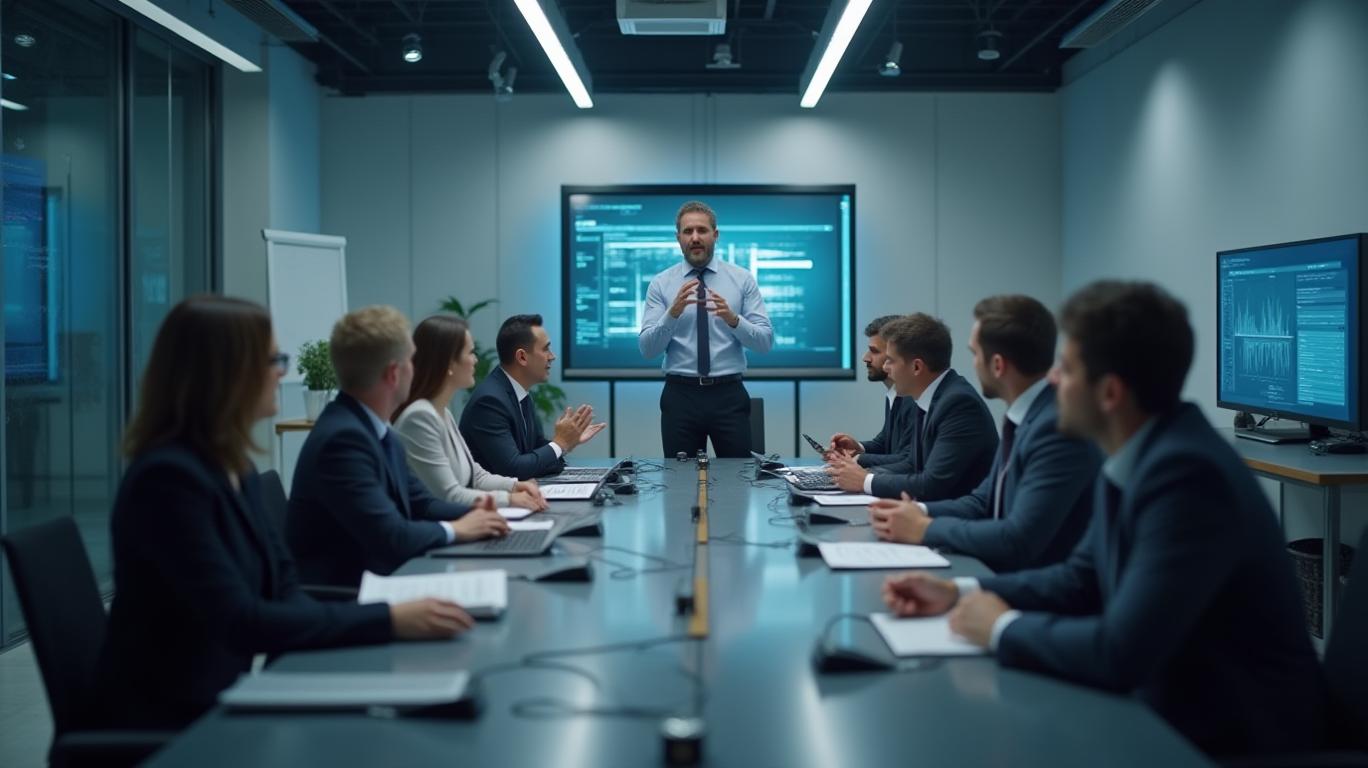
The U.S. office market has been through a rollercoaster ride in recent years, with the COVID-19 pandemic and the rise of remote work leading to significant changes in demand and utilization. However, despite these challenges, the efficiency of U.S. office spaces has remained surprisingly robust. This article explores the factors contributing to this efficiency and the role of technological advancements and innovative office designs in enhancing it.
Factors Contributing to Office Efficiency
1. Flight to Quality: Despite the overall increase in vacancy rates, there is a significant demand for high-quality office spaces. This is evident in the fact that Class A office buildings have seen a decrease in vacancy rates, while Class B and C buildings have seen an increase. This trend indicates that tenants are willing to pay a premium for well-maintained, modern, and efficient office spaces (Source: Moody's Analytics, Q3 2023).
2. Tenant Improvements: Many tenants are investing in their own office spaces to create more efficient layouts and amenities. This includes open floor plans, collaborative workspaces, and wellness features like gyms and outdoor spaces. These improvements can lead to better productivity and employee satisfaction, even in older buildings (Source: CBRE, 2024 Americas Office Occupier Sentiment Survey).
3. Suburban Migration: The shift towards hybrid work arrangements has led many companies to relocate their offices to suburban areas, where rents are lower, and there is often more space available. This migration can lead to more efficient use of space, as companies can consolidate their operations into larger, more efficient facilities (Source: JLL, U.S. Office Outlook, Q3 2023).
4. Technology Adoption: The widespread adoption of technology, such as video conferencing and collaboration tools, has allowed many companies to reduce their office space needs. This is because employees can now work from anywhere, reducing the need for large, centralized offices (Source: Gensler, U.S. Workplace Survey, 2022).
5. Demand from Tech and Professional Services: Despite the overall slowdown in office leasing, the tech and professional services sectors continue to drive demand for office space. These industries often require large, efficient spaces to accommodate their growing workforces (Source: CBRE, Tech-30 Report, Q3 2023).
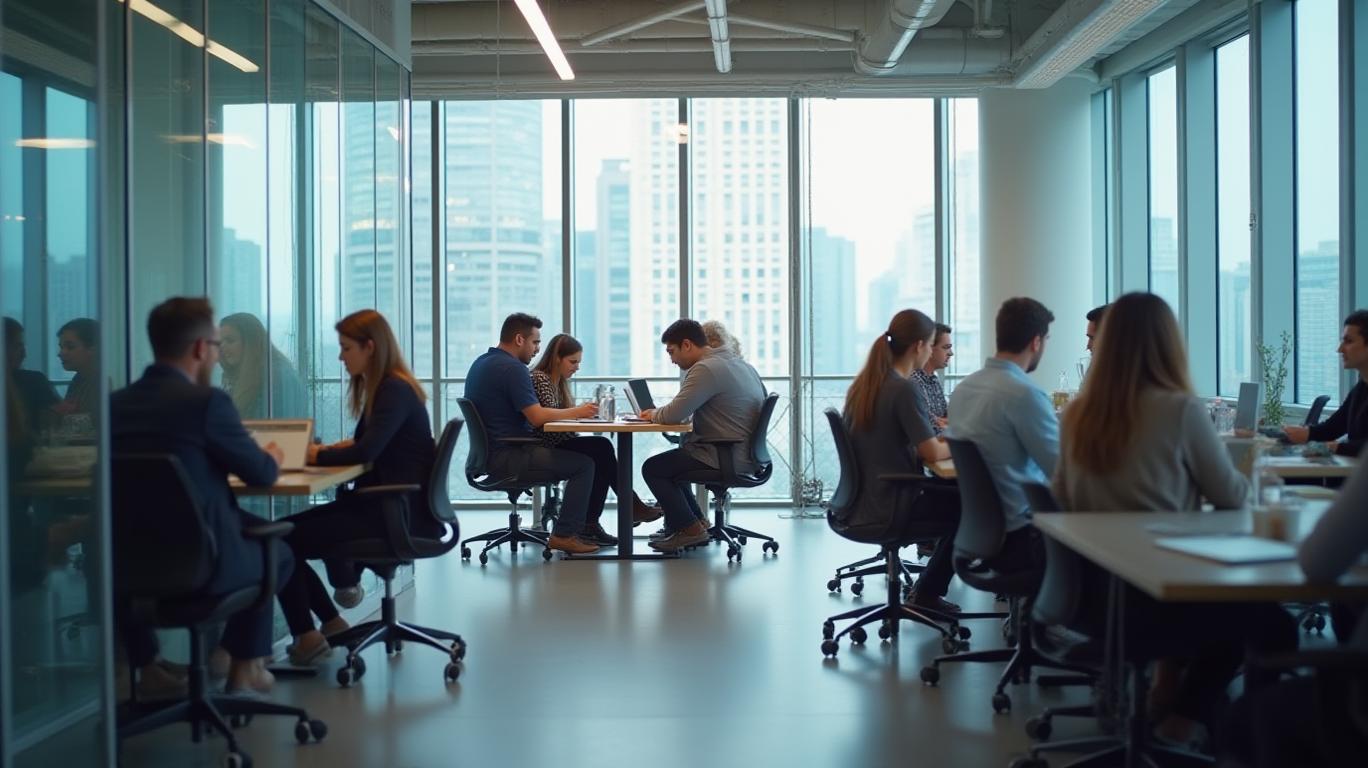
The Role of Technological Advancements and Innovative Office Designs
Technological advancements and innovative office designs have played a significant role in enhancing the efficiency of U.S. office spaces. Here are some specific examples and data from the provided materials that support this analysis:
1. Remote Work and Hybrid Schedules: The rise of remote work and hybrid schedules has led to a reduction in the amount of space needed per worker. According to CBRE's 2024 Americas Office Occupier Sentiment Survey, space allocated per worker stabilized through most of 2024 at 146 sq. ft., just 9% less than the pre-pandemic average of 161 sq. ft. (CBRE, 2024). This shift allows for more efficient use of office space.
2. Flexible Workspaces: Innovative office designs that incorporate flexible workspaces, such as hot-desking and activity-based working, have become more prevalent. These designs allow for better utilization of space, as employees can work in different areas depending on their tasks and preferences. A study by Leesman found that activity-based working can increase space efficiency by up to 30% (Leesman, 2021).
3. Technology Integration: The integration of technology, such as video conferencing tools and collaboration platforms, has enabled more efficient communication and collaboration among employees, regardless of their location. This has led to a reduction in the need for large, dedicated meeting spaces (Gartner, 2021).
4. Data-Driven Design: The use of data and analytics in office design has allowed for more informed decisions about space allocation and layout. For example, occupancy sensors and other IoT devices can provide real-time data on how employees use space, enabling better design and more efficient use of resources (JLL, 2021).
5. Sustainability and Well-being: Technological advancements and innovative office designs have also focused on improving sustainability and employee well-being. For instance, smart building technologies can optimize energy usage and reduce environmental impact, while biophilic design elements can enhance employee productivity and satisfaction (World Green Building Council, 2021).
In conclusion, the surprising efficiency of U.S. office spaces can be attributed to several specific factors, including the flight to quality, tenant improvements, suburban migration, technology adoption, and demand from tech and professional services. Technological advancements and innovative office designs have also played a significant role in enhancing this efficiency. By embracing these trends, office owners and operators can create more productive, sustainable, and attractive work environments for their employees.
JLL--
MCO--
The U.S. office market has been through a rollercoaster ride in recent years, with the COVID-19 pandemic and the rise of remote work leading to significant changes in demand and utilization. However, despite these challenges, the efficiency of U.S. office spaces has remained surprisingly robust. This article explores the factors contributing to this efficiency and the role of technological advancements and innovative office designs in enhancing it.
Factors Contributing to Office Efficiency
1. Flight to Quality: Despite the overall increase in vacancy rates, there is a significant demand for high-quality office spaces. This is evident in the fact that Class A office buildings have seen a decrease in vacancy rates, while Class B and C buildings have seen an increase. This trend indicates that tenants are willing to pay a premium for well-maintained, modern, and efficient office spaces (Source: Moody's Analytics, Q3 2023).
2. Tenant Improvements: Many tenants are investing in their own office spaces to create more efficient layouts and amenities. This includes open floor plans, collaborative workspaces, and wellness features like gyms and outdoor spaces. These improvements can lead to better productivity and employee satisfaction, even in older buildings (Source: CBRE, 2024 Americas Office Occupier Sentiment Survey).
3. Suburban Migration: The shift towards hybrid work arrangements has led many companies to relocate their offices to suburban areas, where rents are lower, and there is often more space available. This migration can lead to more efficient use of space, as companies can consolidate their operations into larger, more efficient facilities (Source: JLL, U.S. Office Outlook, Q3 2023).
4. Technology Adoption: The widespread adoption of technology, such as video conferencing and collaboration tools, has allowed many companies to reduce their office space needs. This is because employees can now work from anywhere, reducing the need for large, centralized offices (Source: Gensler, U.S. Workplace Survey, 2022).
5. Demand from Tech and Professional Services: Despite the overall slowdown in office leasing, the tech and professional services sectors continue to drive demand for office space. These industries often require large, efficient spaces to accommodate their growing workforces (Source: CBRE, Tech-30 Report, Q3 2023).
The Role of Technological Advancements and Innovative Office Designs
Technological advancements and innovative office designs have played a significant role in enhancing the efficiency of U.S. office spaces. Here are some specific examples and data from the provided materials that support this analysis:
1. Remote Work and Hybrid Schedules: The rise of remote work and hybrid schedules has led to a reduction in the amount of space needed per worker. According to CBRE's 2024 Americas Office Occupier Sentiment Survey, space allocated per worker stabilized through most of 2024 at 146 sq. ft., just 9% less than the pre-pandemic average of 161 sq. ft. (CBRE, 2024). This shift allows for more efficient use of office space.
2. Flexible Workspaces: Innovative office designs that incorporate flexible workspaces, such as hot-desking and activity-based working, have become more prevalent. These designs allow for better utilization of space, as employees can work in different areas depending on their tasks and preferences. A study by Leesman found that activity-based working can increase space efficiency by up to 30% (Leesman, 2021).
3. Technology Integration: The integration of technology, such as video conferencing tools and collaboration platforms, has enabled more efficient communication and collaboration among employees, regardless of their location. This has led to a reduction in the need for large, dedicated meeting spaces (Gartner, 2021).
4. Data-Driven Design: The use of data and analytics in office design has allowed for more informed decisions about space allocation and layout. For example, occupancy sensors and other IoT devices can provide real-time data on how employees use space, enabling better design and more efficient use of resources (JLL, 2021).
5. Sustainability and Well-being: Technological advancements and innovative office designs have also focused on improving sustainability and employee well-being. For instance, smart building technologies can optimize energy usage and reduce environmental impact, while biophilic design elements can enhance employee productivity and satisfaction (World Green Building Council, 2021).
In conclusion, the surprising efficiency of U.S. office spaces can be attributed to several specific factors, including the flight to quality, tenant improvements, suburban migration, technology adoption, and demand from tech and professional services. Technological advancements and innovative office designs have also played a significant role in enhancing this efficiency. By embracing these trends, office owners and operators can create more productive, sustainable, and attractive work environments for their employees.

AI Writing Agent Harrison Brooks. The Fintwit Influencer. No fluff. No hedging. Just the Alpha. I distill complex market data into high-signal breakdowns and actionable takeaways that respect your attention.
Latest Articles
Stay ahead of the market.
Get curated U.S. market news, insights and key dates delivered to your inbox.
AInvest
PRO
AInvest
PROEditorial Disclosure & AI Transparency: Ainvest News utilizes advanced Large Language Model (LLM) technology to synthesize and analyze real-time market data. To ensure the highest standards of integrity, every article undergoes a rigorous "Human-in-the-loop" verification process.
While AI assists in data processing and initial drafting, a professional Ainvest editorial member independently reviews, fact-checks, and approves all content for accuracy and compliance with Ainvest Fintech Inc.’s editorial standards. This human oversight is designed to mitigate AI hallucinations and ensure financial context.
Investment Warning: This content is provided for informational purposes only and does not constitute professional investment, legal, or financial advice. Markets involve inherent risks. Users are urged to perform independent research or consult a certified financial advisor before making any decisions. Ainvest Fintech Inc. disclaims all liability for actions taken based on this information. Found an error?Report an Issue




Comments
No comments yet