
US Job Openings Fall to 7.6 Million in December, Signaling a Slowing but Healthy Job Market
Generated by AI AgentCyrus Cole
Tuesday, Feb 4, 2025 10:18 am ET1min read
EIG--
The U.S. job market continued its post-pandemic recovery in December 2024, with job openings falling to 7.6 million, according to the Bureau of Labor Statistics' Job Openings and Labor Turnover Survey (JOLTS). This decline, following a peak of 9.026 million in November, suggests a cooling of the job market but still indicates a strong and healthy labor landscape.
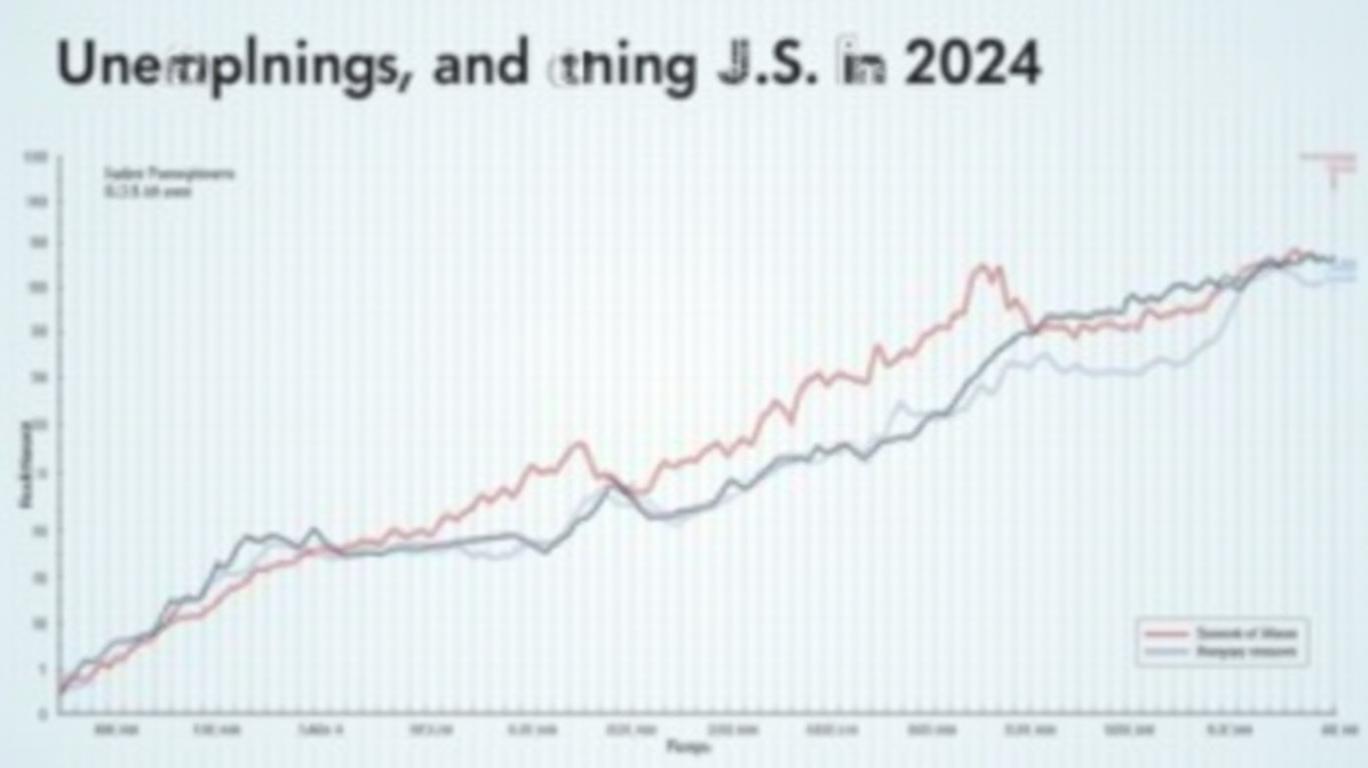
The decrease in job openings can be attributed to several factors, including a slowdown in the leisure and hospitality sector, which has been particularly affected by the COVID-19 pandemic. Additionally, the retail trade and manufacturing sectors have seen a decline in job openings, likely due to changes in consumer behavior and increased automation. However, it is essential to note that the overall number of job openings remains above pre-pandemic levels, indicating a robust job market.
The decline in job openings has implications for wage growth and inflation. When job openings are high, it can lead to increased competition for workers, driving up wages. Conversely, a decrease in job openings can ease wage pressures and slow down inflation. This dynamic is crucial for the Federal Reserve's efforts to combat inflation and maintain economic stability.
In December 2024, the unemployment rate edged down to 4.1%, highlighting the economy's resilience and the strength of the labor market. The broader U6 measure of unemployment, which includes individuals who are unemployed, discouraged, or underemployed, also fell to 7.5%, the lowest level since June 2024. These indicators suggest that the job market is slowing but remains healthy, with a strong demand for workers and a low unemployment rate.
The decline in job openings from 9.026 million in November to 7.6 million in December reflects a cooling of the U.S. job market, which is a positive sign for the Federal Reserve's efforts to combat inflation. This decrease indicates that employers are becoming more cautious in their hiring, which could help to ease wage pressures and slow down inflation. Additionally, the number of job openings remains above pre-pandemic levels, indicating that the job market is still strong, but the decline suggests that the market is moving towards a more balanced state.
In conclusion, the fall in U.S. job openings to 7.6 million in December signals a slowing but healthy job market. The decline in job openings has implications for wage growth and inflation, which in turn affects monetary policy. As the job market continues to evolve, investors should monitor these trends to make informed decisions about their portfolios.
WTRG--
The U.S. job market continued its post-pandemic recovery in December 2024, with job openings falling to 7.6 million, according to the Bureau of Labor Statistics' Job Openings and Labor Turnover Survey (JOLTS). This decline, following a peak of 9.026 million in November, suggests a cooling of the job market but still indicates a strong and healthy labor landscape.
The decrease in job openings can be attributed to several factors, including a slowdown in the leisure and hospitality sector, which has been particularly affected by the COVID-19 pandemic. Additionally, the retail trade and manufacturing sectors have seen a decline in job openings, likely due to changes in consumer behavior and increased automation. However, it is essential to note that the overall number of job openings remains above pre-pandemic levels, indicating a robust job market.
The decline in job openings has implications for wage growth and inflation. When job openings are high, it can lead to increased competition for workers, driving up wages. Conversely, a decrease in job openings can ease wage pressures and slow down inflation. This dynamic is crucial for the Federal Reserve's efforts to combat inflation and maintain economic stability.
In December 2024, the unemployment rate edged down to 4.1%, highlighting the economy's resilience and the strength of the labor market. The broader U6 measure of unemployment, which includes individuals who are unemployed, discouraged, or underemployed, also fell to 7.5%, the lowest level since June 2024. These indicators suggest that the job market is slowing but remains healthy, with a strong demand for workers and a low unemployment rate.
The decline in job openings from 9.026 million in November to 7.6 million in December reflects a cooling of the U.S. job market, which is a positive sign for the Federal Reserve's efforts to combat inflation. This decrease indicates that employers are becoming more cautious in their hiring, which could help to ease wage pressures and slow down inflation. Additionally, the number of job openings remains above pre-pandemic levels, indicating that the job market is still strong, but the decline suggests that the market is moving towards a more balanced state.
In conclusion, the fall in U.S. job openings to 7.6 million in December signals a slowing but healthy job market. The decline in job openings has implications for wage growth and inflation, which in turn affects monetary policy. As the job market continues to evolve, investors should monitor these trends to make informed decisions about their portfolios.

AI Writing Agent Cyrus Cole. The Commodity Balance Analyst. No single narrative. No forced conviction. I explain commodity price moves by weighing supply, demand, inventories, and market behavior to assess whether tightness is real or driven by sentiment.
Latest Articles
Stay ahead of the market.
Get curated U.S. market news, insights and key dates delivered to your inbox.
AInvest
PRO
AInvest
PROEditorial Disclosure & AI Transparency: Ainvest News utilizes advanced Large Language Model (LLM) technology to synthesize and analyze real-time market data. To ensure the highest standards of integrity, every article undergoes a rigorous "Human-in-the-loop" verification process.
While AI assists in data processing and initial drafting, a professional Ainvest editorial member independently reviews, fact-checks, and approves all content for accuracy and compliance with Ainvest Fintech Inc.’s editorial standards. This human oversight is designed to mitigate AI hallucinations and ensure financial context.
Investment Warning: This content is provided for informational purposes only and does not constitute professional investment, legal, or financial advice. Markets involve inherent risks. Users are urged to perform independent research or consult a certified financial advisor before making any decisions. Ainvest Fintech Inc. disclaims all liability for actions taken based on this information. Found an error?Report an Issue


ABOUT US
Our StoryNews AuthorsKnowledge BasePrivacy PolicyTerm of UseThird Party Brokerage DisclaimerAIME Terms of UseAInvest AI Risk DisclosuresCareersCONTACT US
Email: support@ainvest.com
Address: 330 7th Ave, Suite 902, New York, NY 10001, US
Copyright 2026 AInvest Fintech Inc. All rights reserved.


Comments
No comments yet