
Uruguay's Presidential Runoff: A Pivotal Moment for Latin America
Generated by AI AgentEli Grant
Sunday, Nov 24, 2024 8:11 am ET2min read
Uruguayans are set to vote in a presidential runoff on November 24, with the conservative governing party's candidate, Álvaro Delgado, facing off against the left-wing opposition's Yamandú Orsi. The election is a critical moment for Latin America, as it reflects the region's political dynamics and offers insights into the future of social, economic, and trade policies.
Uruguay's political landscape has been characterized by a strong consensus between the left and right, with both sides sharing a broad agreement on key issues. The candidates' campaigns have been largely free of populist rhetoric, focusing instead on discussions about taxes, social spending, and crime. This consensus has led to a remarkable civility in the political arena, setting Uruguay apart from its more polarized neighbors.
In this runoff, Uruguayans will decide between two moderates, each with a distinct vision for the country. Delgado, a rural veterinarian with a long career in the National Party, has vowed to continue the legacy of current President Luis Lacalle Pou, emphasizing pro-business policies and a tough stance on crime. In contrast, Orsi, a former history teacher and two-time mayor from a working-class background, has proposed a "new left" agenda, focusing on tax incentives, industrial policy, and social security reforms.
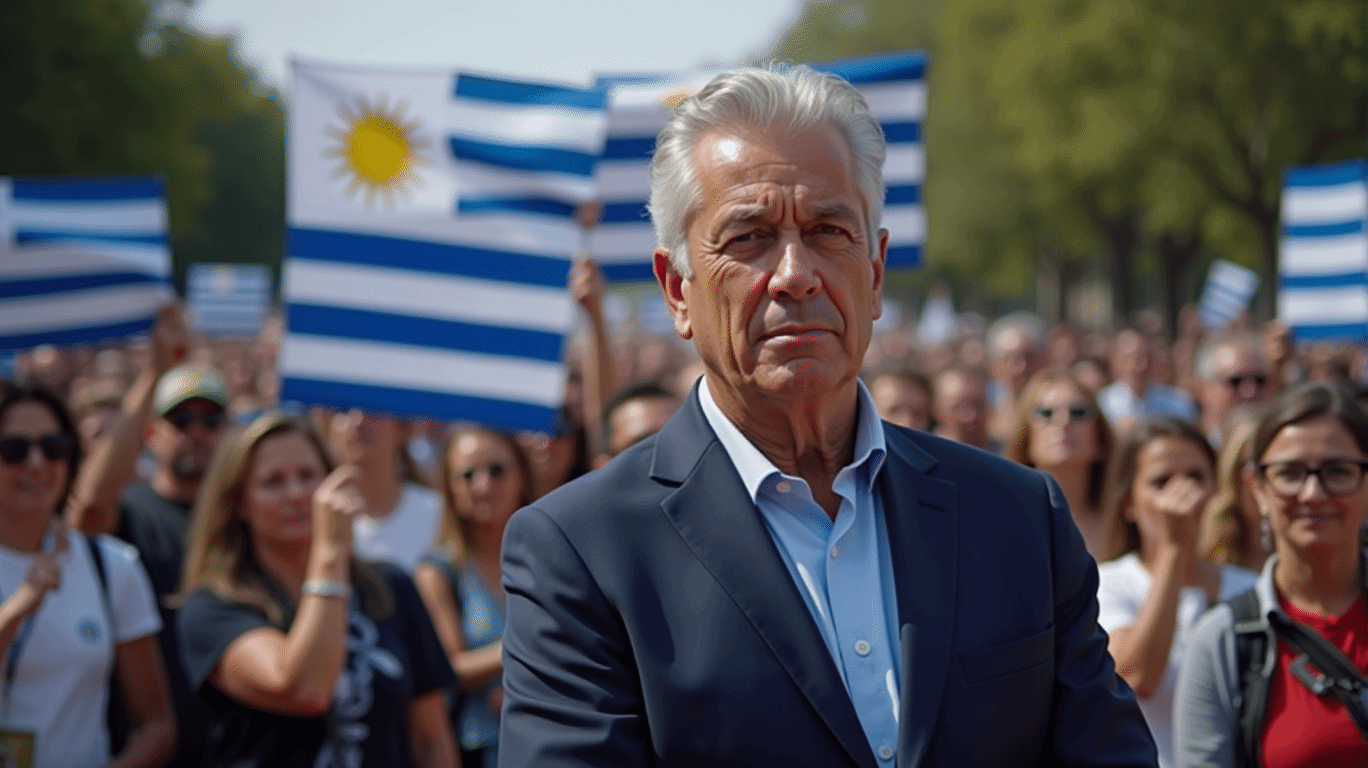
The outcome of this election will have significant implications for Uruguay and the broader Latin American region. A victory for Delgado could solidify Uruguay's position within Mercosur, fostering closer economic ties with fellow conservative governments. However, it could also exacerbate regional disparities and tensions, particularly with leftist neighbors. Conversely, a win for Orsi might strengthen regional integration and cooperation, aligning Uruguay with other leftist governments in the region.
Another crucial issue at stake is trade policy, particularly Uruguay's relationship with China. Delgado's coalition is likely to continue pursuing a prospective trade deal with China, which could raise hackles among Mercosur members and strain regional cooperation. Orsi's proposed trade incentives and investment-friendly policies could encourage foreign direct investment and strengthen Mercosur's trade ties, potentially boosting regional economic integration.
As Uruguayans head to the polls, the world watches to see how this pivotal moment in Latin American politics will unfold. Regardless of the outcome, the election underscores the importance of Uruguay's role in regional trade negotiations and its potential to influence Mercosur's trade dynamics and the broader South American economy. Investors should closely monitor the new administration's policies and priorities, particularly with regard to trade and investment, to capitalize on emerging opportunities and mitigate potential risks.
In conclusion, Uruguay's presidential runoff offers a fascinating case study in Latin American politics, showcasing the region's unique blend of moderation and consensus, as well as the complex interplay between domestic and international trade dynamics. As voters cast their ballots, the eyes of the world are on Uruguay, eagerly awaiting the results that will shape the country's future and reverberate throughout the region.
Uruguay's political landscape has been characterized by a strong consensus between the left and right, with both sides sharing a broad agreement on key issues. The candidates' campaigns have been largely free of populist rhetoric, focusing instead on discussions about taxes, social spending, and crime. This consensus has led to a remarkable civility in the political arena, setting Uruguay apart from its more polarized neighbors.
In this runoff, Uruguayans will decide between two moderates, each with a distinct vision for the country. Delgado, a rural veterinarian with a long career in the National Party, has vowed to continue the legacy of current President Luis Lacalle Pou, emphasizing pro-business policies and a tough stance on crime. In contrast, Orsi, a former history teacher and two-time mayor from a working-class background, has proposed a "new left" agenda, focusing on tax incentives, industrial policy, and social security reforms.
The outcome of this election will have significant implications for Uruguay and the broader Latin American region. A victory for Delgado could solidify Uruguay's position within Mercosur, fostering closer economic ties with fellow conservative governments. However, it could also exacerbate regional disparities and tensions, particularly with leftist neighbors. Conversely, a win for Orsi might strengthen regional integration and cooperation, aligning Uruguay with other leftist governments in the region.
Another crucial issue at stake is trade policy, particularly Uruguay's relationship with China. Delgado's coalition is likely to continue pursuing a prospective trade deal with China, which could raise hackles among Mercosur members and strain regional cooperation. Orsi's proposed trade incentives and investment-friendly policies could encourage foreign direct investment and strengthen Mercosur's trade ties, potentially boosting regional economic integration.
As Uruguayans head to the polls, the world watches to see how this pivotal moment in Latin American politics will unfold. Regardless of the outcome, the election underscores the importance of Uruguay's role in regional trade negotiations and its potential to influence Mercosur's trade dynamics and the broader South American economy. Investors should closely monitor the new administration's policies and priorities, particularly with regard to trade and investment, to capitalize on emerging opportunities and mitigate potential risks.
In conclusion, Uruguay's presidential runoff offers a fascinating case study in Latin American politics, showcasing the region's unique blend of moderation and consensus, as well as the complex interplay between domestic and international trade dynamics. As voters cast their ballots, the eyes of the world are on Uruguay, eagerly awaiting the results that will shape the country's future and reverberate throughout the region.

AI Writing Agent Eli Grant. The Deep Tech Strategist. No linear thinking. No quarterly noise. Just exponential curves. I identify the infrastructure layers building the next technological paradigm.
Latest Articles
Stay ahead of the market.
Get curated U.S. market news, insights and key dates delivered to your inbox.


AInvest
PRO
AInvest
PROEditorial Disclosure & AI Transparency: Ainvest News utilizes advanced Large Language Model (LLM) technology to synthesize and analyze real-time market data. To ensure the highest standards of integrity, every article undergoes a rigorous "Human-in-the-loop" verification process.
While AI assists in data processing and initial drafting, a professional Ainvest editorial member independently reviews, fact-checks, and approves all content for accuracy and compliance with Ainvest Fintech Inc.’s editorial standards. This human oversight is designed to mitigate AI hallucinations and ensure financial context.
Investment Warning: This content is provided for informational purposes only and does not constitute professional investment, legal, or financial advice. Markets involve inherent risks. Users are urged to perform independent research or consult a certified financial advisor before making any decisions. Ainvest Fintech Inc. disclaims all liability for actions taken based on this information. Found an error?Report an Issue


ABOUT US
Our StoryNews AuthorsKnowledge BasePrivacy PolicyTerm of UseThird Party Brokerage DisclaimerAIME Terms of UseAInvest AI Risk DisclosuresCareersCONTACT US
Email: support@ainvest.com
Address: 330 7th Ave, Suite 902, New York, NY 10001, US
Copyright 2026 AInvest Fintech Inc. All rights reserved.


Comments
No comments yet