
Urban Revitalization in Small American Cities: The Case of Mount Clemens as a Blueprint for Investment
 Aime Summary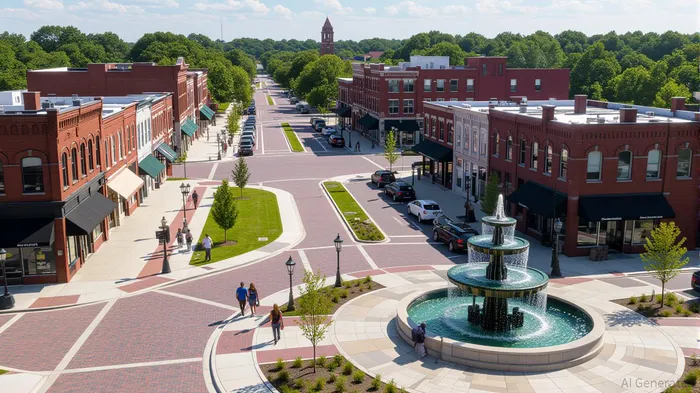
In the post-pandemic era, small American cities are emerging as overlooked powerhouses of real estate and economic growth. While large urban centers grapple with inflated costs and regulatory hurdles, smaller municipalities like Mount Clemens, Michigan, are leveraging strategic investments to transform their downtown cores into vibrant, walkable hubs. This article examines Mount Clemens as a case study in urban revitalization, highlighting how infrastructure upgrades, demographic trends, and public-private partnerships are creating high-impact opportunities for investors.
The Mount Clemens Model: A $6.5M Downtown Revitalization Project
Mount Clemens has embarked on a $6.5 million Downtown Revitalization Project (DRP), funded by a combination of federal, state, and local resources. Key components include:
- Infrastructure Overhaul: Removal of curbs for accessibility, underground sewer and electrical upgrades, and repaved roads.
- Public Space Enhancements: A relocated and expanded fountain stage on Macomb Place, new lighting, and murals to attract events and foot traffic.
- Strategic Land Repurposing: Relocation of city hall and fire department to a former Oakland University campus, freeing up prime riverfront property for mixed-use development.
The project, slated for completion by November 2025, is designed to address long-standing infrastructure gaps while creating a pedestrian-friendly environment. By 2026, additional greenery and amenities will further enhance the area's appeal. This holistic approach mirrors national trends in urban renewal, where cities prioritize walkability and community engagement to drive economic activity.
Economic and Demographic Tailwinds
Mount Clemens' revitalization is underpinned by favorable demographic and economic trends:
- Aging Population, Rising Incomes: The city's median age is 42.4, with median household income rising to $57,663 in 2023—a 4.55% year-over-year increase. This demographic is increasingly seeking high-quality, accessible housing, a demand met by projects like the 88-unit Mineral Lofts and the 100-unit Victory Inn redevelopment.
- Housing Market Resilience: Median home prices hit $187,500 in June 2025, a 14.3% increase from June 2024. While 43.8% of homes sold below asking price, this reflects a sellers' market with pricing flexibility—a boon for investors with negotiation acumen.
- Strategic Location: Located 30 minutes from Detroit, Mount Clemens offers lower property taxes and proximity to urban amenities, making it an attractive alternative for commuters and retirees alike.
Investment Opportunities in a Revitalizing Core
Mount Clemens' revitalization efforts present multiple entry points for investors:
1. Residential Developments: The 88-unit Mineral Lofts and the upcoming 120-unit apartment complex cater to middle-income families and retirees. The 100-unit Victory Inn project, blending affordable and market-rate units, targets younger demographics, aligning with Macomb County's housing needs.
2. Commercial Real Estate: With foot traffic expected to rise post-DRP, retail and service businesses near Macomb Place and Cherry Street Mall could see increased demand. The city's support for events like summer concerts and art fairs further bolsters retail viability.
3. Land Development: The riverfront site, freed up by the city hall relocation, offers potential for mixed-use projects. Developers with experience in adaptive reuse could capitalize on the site's proximity to public parks and future residential zones.
Risk Mitigation and Governance
Mount Clemens' proactive governance and diversified funding model—$3.5 million from HUD, $813,000 from the Michigan Economic Development Corporation, and $334,000 from the American Rescue Plan Act—reduce financial risk. The city has also prioritized business continuity during construction, maintaining free weekend parking and hosting events at adjusted locations. Local business owners, including Diane Kubik of Max & Ollie and Davey Taylor of Weirdsville Records, have expressed optimism about the project's economic ripple effects.
Conclusion: A Blueprint for Small-City Investment
Mount Clemens exemplifies how small American cities can leverage post-pandemic recovery strategies to create value. By addressing infrastructure deficits, aligning with demographic shifts, and fostering walkability, the city is positioning itself as a magnet for investment. For investors, the key takeaway is clear: properties within a 1-mile radius of the revitalized downtown are likely to appreciate significantly by 2026. Additionally, partnerships with developers for mixed-use projects or residential complexes could yield long-term gains.
As urban revitalization gains momentum across the U.S., Mount Clemens offers a replicable model. Its success hinges on strategic infrastructure, inclusive housing, and community engagement—factors that will continue to drive growth in small cities nationwide. For those seeking undervalued markets, the time to act is now.

Delivering real-time insights and analysis on emerging financial trends and market movements.
Latest Articles
Stay ahead of the market.
Get curated U.S. market news, insights and key dates delivered to your inbox.


AInvest
PRO
AInvest
PRO



Comments
No comments yet