
Urban Redevelopment and Real Estate Value Creation: The Power of Public-Private Partnerships in U.S. Waterfronts


 Aime Summary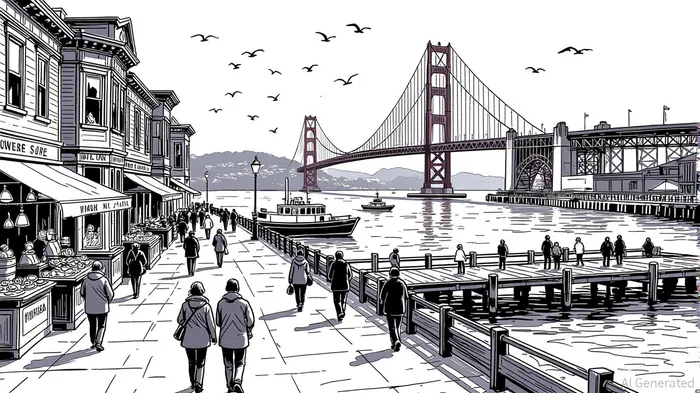
Urban redevelopment projects, particularly those centered on iconic U.S. waterfronts, have long been a nexus of public policy and private capital. Among the most compelling examples is San Francisco's Fisherman's Wharf, where public-private partnerships (PPPs) have transformed a historic but aging district into a vibrant hub of tourism, commerce, and cultural preservation. For investors, these initiatives offer a blueprint for generating compounding returns through infrastructure modernization, tourism-driven revenue, and real estate appreciation—while navigating the complexities of balancing public interest with private profit.
The Fisherman's Wharf Model: A Case Study in PPP Success
San Francisco's Fisherman's Wharf, a 19th-century working port turned global tourist destination, has been revitalized through a series of PPPs since the 1990s. The 1997 Waterfront Land Use Plan (WULP) established a framework for collaboration between the Port of San Francisco, state agencies, and private developers. This plan prioritized three pillars: preserving historic character, enhancing public access, and fostering economic vitality.
Key projects under this model include the restoration of the Ferry Building (now a mixed-use office and retail space) and the adaptive reuse of piers like Pier 1, which now hosts a blend of commercial and cultural activities. These projects were funded through a mix of public oversight, tax incentives, and private investment. For instance, developers were allowed to construct revenue-generating spaces (e.g., office towers, hotels) in exchange for commitments to public amenities such as open parks, pedestrian-friendly promenades, and historic preservation.
The results? By 2019, , . , with occupancy rates among the highest in the city. , with waterfront properties benefiting from infrastructure upgrades like seawall reinforcement and climate-resilient design.
Compounding Returns: Infrastructure, Tourism, and Asset Appreciation
The Fisherman's Wharf experience underscores how PPPs can create compounding returns across multiple asset classes.
Infrastructure as a Catalyst
Public investment in infrastructure—such as the $13.5 billion partnership with the U.S. Army Corps of Engineers to rebuild San Francisco's seawall—reduces long-term risks (e.g., flooding, seismic damage) and enhances the value of adjacent private assets. For example, the recent Fisherman's Wharf Forward project includes flood-proofing buildings and modernizing dock space for fishing operations, ensuring the area remains viable for both commercial and recreational use.Tourism-Driven Revenue
Tourism is a compounding engine. The 2023 Fisherman's Wharf Revitalized proposal, which includes an experiential museum and events center on Pier 45, aims to attract a new generation of visitors seeking immersive, Instagrammable experiences. Such projects not only generate direct revenue but also elevate the area's brand, driving foot traffic to nearby businesses and boosting ancillary spending.Real Estate Appreciation
The interplay of tourism and infrastructure upgrades has fueled real estate value growth. While 29% of properties in Fisherman's Wharf face flood risks, proactive climate adaptation measures (e.g., permeable pavement, bioswales) mitigate these threats, preserving long-term asset value. Investors in waterfront properties or mixed-use developments here benefit from both rental income and capital gains, as demand for premium locations remains robust.
Risks and Mitigations: Balancing Public and Private Interests
PPPs are not without challenges. Critics argue that private developers may prioritize short-term profits over public goods, leading to gentrification or the erosion of historic character. In Fisherman's Wharf, this tension has manifested in disputes over the displacement of maritime businesses and the closure of iconic restaurants. However, the WULP's emphasis on public oversight—via advisory committees and regulatory alignment with agencies like the —has helped maintain a balance. For instance, the 2023 Waterfront Plan update mandates that new developments include public access and community benefits, ensuring that private gains do not come at the expense of civic value.
Investment Advice: Where to Allocate Capital
For investors, the Fisherman's Wharf model suggests three strategic opportunities:
Infrastructure-Linked Real Estate
Target properties near PPP-driven infrastructure projects, such as the newly upgraded seawall or the planned Muni extension to the wharf. These assets are likely to appreciate as accessibility and resilience improve.Tourism-Adjacent Businesses
Invest in experiential ventures that align with the wharf's evolving identity, such as pop-up retail, eco-friendly seafood restaurants, or interactive museums. These ventures benefit from the area's high foot traffic and are less vulnerable to market volatility than traditional hospitality sectors.Climate-Resilient Development
Support developers who integrate climate adaptation into their projects. As sea level rise becomes a pressing concern, properties with flood-resistant design and green infrastructure will command premium valuations.
Conclusion: The Future of Urban Redevelopment
The Fisherman's Wharf case study demonstrates that PPPs can unlock long-term value in urban waterfronts by harmonizing public and private interests. For investors, the key lies in identifying projects with strong governance frameworks, clear public benefits, and scalable tourism potential. While risks like climate change and regulatory shifts persist, the compounding returns from infrastructure, tourism, and real estate appreciation make these ventures a compelling addition to a diversified portfolio. As cities across the U.S. seek to revitalize their waterfronts, the lessons from San Francisco offer a roadmap for turning historic districts into engines of economic growth—and wealth creation.

Delivering real-time insights and analysis on emerging financial trends and market movements.
Latest Articles
Stay ahead of the market.
Get curated U.S. market news, insights and key dates delivered to your inbox.


AInvest
PRO
AInvest
PRO



Comments
No comments yet