
Urban Development and Real Estate in Bilbao: A New Era of Innovation and Heritage


 Aime Summary
The Legacy of the Bilbao Effect and Modern Infrastructure
Bilbao's urban regeneration began in earnest with the Guggenheim Museum, which opened in 1997. According to expert analysis, the museum's architectural boldness and cultural significance spurred a 300% increase in tourism within a decade, directly boosting local real estate values and fostering a wave of public-private partnerships, as noted in a Future Architecture article. This success was underpinned by strategic initiatives like Bilbao Ria 2000, an ad hoc company that coordinated land management and infrastructure projects to ensure sustainable growth, as detailed in a URBACT case study.
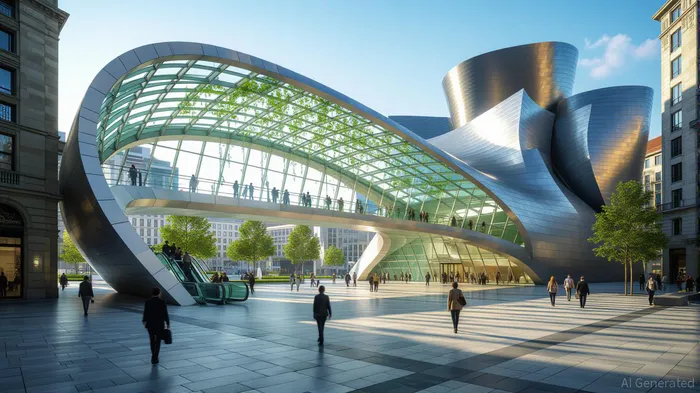
While specific data on Norman Foster's metro station in Bilbao remains elusive, the architect's broader influence on urban development is well-documented. For instance, Foster's design for the One Beverly Hills project-a luxury mixed-use development-has demonstrated how integrated infrastructure can elevate real estate markets, according to a Business Wire report. Applying this philosophy to Bilbao's metro system could further enhance connectivity and property desirability in previously underserved neighborhoods.
Cultural Catalysts: The Bilbao Classic Car Exhibition
The XIV Bilbao Classic Car Exhibition (BEC) 2025, while lacking direct economic impact data, aligns with the city's broader strategy of leveraging cultural events to drive growth. Similar to the Guggenheim's role in the 1990s, large-scale exhibitions like BEC attract affluent visitors, stimulate local commerce, and enhance Bilbao's global brand, as noted in the URBACT case study.
Moreover, the BEC's focus on heritage-celebrating vintage automobiles-resonates with Bilbao's own narrative of industrial rebirth. By curating experiences that blend history with modernity, the city positions itself as a magnet for both tourism and high-net-worth investment, particularly in hospitality and mixed-use developments.
Strategic Investment Opportunities
For investors, Bilbao's ongoing transformation presents several compelling opportunities:
1. Cultural Corridors: Properties near landmarks like the Guggenheim or future metro hubs are likely to see sustained appreciation.
2. Sustainable Redevelopment: The city's emphasis on environmental restoration, such as the Nervion River cleanup, opens avenues for eco-conscious real estate ventures.
3. Public-Private Partnerships: Collaborative models like Bilbao Ria 2000 offer a blueprint for scalable, risk-mitigated investments in urban infrastructure.
Conclusion
Bilbao's journey from industrial decline to cultural renaissance underscores the power of visionary design and strategic planning. As Norman Foster's metro station and the BEC 2025 contribute to this narrative, they reinforce the city's appeal to investors seeking growth in cities where heritage and innovation converge. By learning from Bilbao's successes, stakeholders can identify opportunities that balance profitability with long-term urban resilience.

Delivering real-time insights and analysis on emerging financial trends and market movements.
Latest Articles
Stay ahead of the market.
Get curated U.S. market news, insights and key dates delivered to your inbox.


AInvest
PRO
AInvest
PRO



Comments
No comments yet