
UPS Withdraws Driver Buyout Program After Teamsters Pushback
 Aime Summary
UPS withdrew its voluntary driver buyout program in 13 U.S. . The Teamsters filed grievances, claiming the program violated the 2023 national master contract, , part of an effort to reduce reliance on Amazon and improve operational efficiency. , along with any earned retirement benefits, with enrollment ending March 12. UPSUPS-- maintains the Driver Choice Program is in line with its contract and designed to provide flexibility during operational changes.
UPS has suspended its voluntary separation program for drivers in 13 Central Region states after local Teamsters unions filed grievances. The affected states include Illinois, Indiana, Iowa, Kansas, Kentucky, Michigan, Minnesota, Missouri, Nebraska, North Dakota, Ohio, South Dakota, and Wisconsin. , arguing it contravenes the 2023 national master contract and supplemental agreements according to reports.
The Teamsters, the largest union representing UPS drivers, claim the buyout program is an illegal attempt to undermine union rights and erode employee benefits. According to Teamsters General President , the program is a 'scam designed to fuel corporate greed' and urged UPS to terminate it nationwide. UPS, on the other hand, maintains the program is voluntary and compliant with its contract, emphasizing it was designed to offer drivers flexibility during ongoing operational adjustments.
The program was part of a broader effort to reduce UPS's workforce by 30,000 employees by 2026. The company cited the need to adapt to reduced dependence on Amazon, its largest customer, by summer 2026. The buyout program had already paused after the Teamsters filed a lawsuit in early February, though a federal judge rejected the request to block the program, instead.
What legal challenges does UPS face from the Teamsters?
The Teamsters' grievances focus on alleged violations of the 2023 national master contract and supplemental agreement. According to union representatives, the contract stipulates that any incentive programs must be voted on and approved by both the union and its members. UPS has not yet agreed to end the program nationwide, and the Teamsters have indicated they will pursue arbitration if necessary.
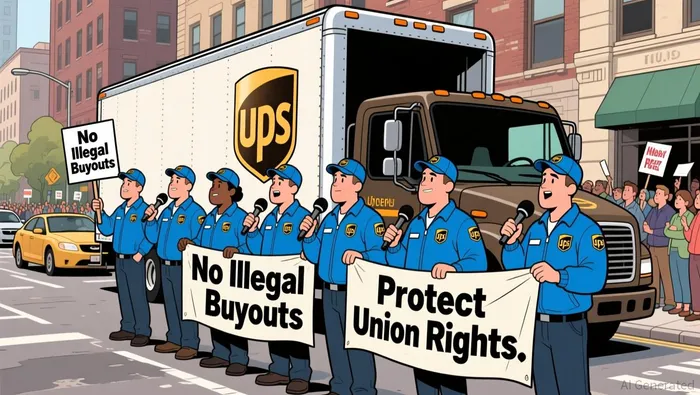
The union has criticized UPS for its decision to withdraw the program in 13 states as a tacit admission that the buyouts are unlawful. O'Brien has warned that the company's continued efforts in other states may trigger further grievances and legal action. UPS maintains the program remains in place in other regions, with eligibility still open for drivers outside the affected states.
How will this affect UPS's labor strategy and financial goals?
The withdrawal of the buyout program in the Central Region could complicate UPS's broader strategy to reduce its workforce by 30,000 in 2026. , which would help meet its 2026 headcount reduction targets. However, with the program now limited to other states, UPS may need to explore alternative methods to achieve its staffing goals.
UPS's labor strategy is also impacted by its ongoing shift away from Amazon, which currently represents a significant portion of its delivery network. The company has indicated it expects to handle 50 percent fewer Amazon packages by summer 2026, which may require adjustments in its workforce and operational structure.
What are the implications for labor relations and union negotiations?
The dispute highlights the tension between UPS and the Teamsters over contract interpretation and labor rights. The Teamsters have argued that the buyout program effectively erodes union representation by encouraging drivers to leave the company without any binding union support according to reports. UPS, however, insists that the program is in line with the contract and offers drivers a fair opportunity to transition out of the company with a financial incentive.
The union's pushback also raises broader questions about the role of union contracts in corporate restructuring efforts. While the federal court rejected the Teamsters' emergency motion to block the program, the union continues to assert its legal stance and may pursue further arbitration to challenge the program's validity.
The outcome of this dispute could set a precedent for similar buyout programs in other industries. If the Teamsters are successful in arbitration, it may limit the ability of companies to offer voluntary separation packages without union approval, potentially reshaping labor negotiations and restructuring strategies in the logistics and broader labor sectors.

Stay ahead of the market.
Get curated U.S. market news, insights and key dates delivered to your inbox.


AInvest
PRO
AInvest
PRO



Comments
No comments yet