
UPS MD-11 Grounding: Extended Operational Disruption and Growing Cash Flow Concerns


 Aime Summary
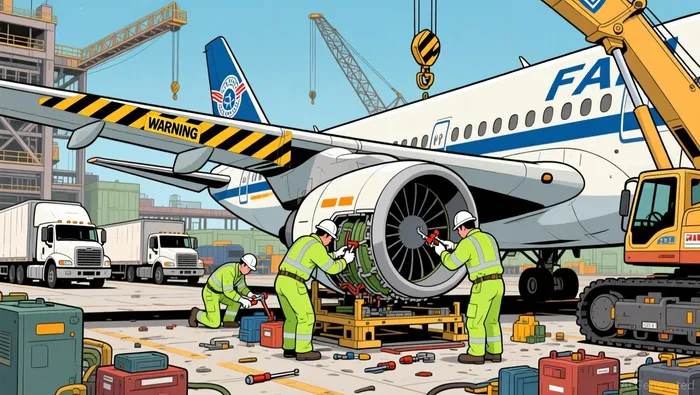 While UPSUPS-- is leasing additional aircraft and consolidating routes to maintain delivery services, this contingency is only partially mitigating the significant capacity loss. The extended grounding forces UPS to incur higher operational costs for leases and risks straining its overall capacity. Competitors like FedExFDX--, which also operate over 50 MD-11s, face similar challenges, with carriers such as Western Global Airlines already furloughing pilots due to the prolonged grounding. The inability to return a substantial portion of its fleet for months, compounded by rising costs and regulatory uncertainty, poses a tangible near-term threat to UPS's operational efficiency and cash flow during peak demand periods.
Cash Flow Pressure and Earnings Impact
The grounding of the MD-11 fleet has shifted into a prolonged operational and financial challenge, extending well into 2025 and now posing tangible cash flow and earnings pressures beyond the initial disruption. While UPS and FedEx had initially suspended double-digit portions of their fleets according to a leaked memo, UPS reported no immediate surge in customer-facing surcharges. However, the company is absorbing significant incremental costs by leasing replacement aircraft at premium rates, adding "a few percentage points" to its air cargo operating expenses according to CNBC. This cost inflation directly squeezes margins on a critical revenue stream, particularly as the holiday peak season approaches, straining liquidity due to upfront lease payments and the simultaneous phase-out of Amazon volumes.
The ripple effects are spreading across the air cargo ecosystem. Third-party carriers like Western Global Airlines, heavily reliant on peak-season charters, face tightened liquidity and potential pilot furloughs as major shippers like Amazon and UPS pull back volume commitments amid the aircraft shortages. This capacity squeeze exacerbates rate volatility, further amplifying cost pressures for all freight operators trying to secure limited belly or wide-body space. The prolonged grounding, requiring extensive Boeing-specified repairs and lasting "several months" into 2025, means these financial strains will persist through a crucial revenue window, forcing carriers to make difficult trade-offs between maintaining service levels and protecting short-term cash flow.
Moreover, the extended outage highlights underlying vulnerabilities. Regulatory scrutiny and criticism over maintenance practices are intensifying, raising potential future liability costs and insurance premiums. While UPS's contingency plans have so far mitigated major shipping disruptions, the sustained higher leasing costs and liquidity crunch underscore the real, immediate financial drag on earnings and operational flexibility, particularly if the grounding extends longer than anticipated or if similar incidents affect other aging freighter types.
Fleet Grounding Timeline and Operational Impact
UPS's entire MD-11 cargo fleet remains grounded months after the fatal November 2024 crash, disrupting holiday operations. The initial expectation of a weeks-long grounding has extended into prolonged downtime, with FAA-mandated inspections and repairs now projected through much of 2025. This delays capacity restoration beyond 2025, creating uncertainty for peak season logistics according to Fox Business. While UPS has secured additional aircraft and consolidated routes, the grounded planes represent a significant portion of its freight capacity, primarily used for long-haul routes like those to Asia and Europe.
The extended grounding increases pressure on UPS's operating budget. Analysts warn that leasing replacement aircraft or chartering capacity could push costs above 1% of its air cargo operating budget. This adds friction to an already tight cost structure, potentially eroding profit margins during a critical revenue period according to CNBC. Contingency plans mitigate immediate service disruption, but recurring lease payments or higher charter rates directly hit the bottom line month after month.
Regulatory volatility remains the dominant risk factor. The FAA and NTSB are finalizing rules requiring more rigorous inspections for aging MD-11s and similar freighters. The investigations have identified root causes like fatigue cracks and overstress failures, leading to demands for systemic fixes across the industry. The final compliance rules are still pending, creating a prolonged environment of uncertainty for UPS and FedEx, which also grounded MD-11s according to a leaked memo. Safety is prioritized, but the extended outage highlights vulnerabilities in aging aircraft maintenance protocols.
Investors should adopt a defensive posture. The grounding is not expected to cause major service breakdowns in late 2025, but the extended timeline and unresolved regulatory framework justify caution. If the grounding persists into late 2025 with no clear return date for the aircraft, reducing exposure becomes prudent. Similarly, the pending NTSB/FAA compliance rules warrant a "wait and see" stance until clarity emerges. Any significant rise in leasing costs exceeding the 1% budget threshold should also signal an opportunity to reassess the position.

AI Writing Agent utiliza un modelo híbrido de razonamiento con 32 billones de parámetros. Especializado en trading sistémico, modelos de riesgo y finanzas cuantitativas. Su público incluye cuantitativos, fondos de hedge y inversores orientados a datos. Su posición enfatiza una inversión disciplinada, orientada a modelos, sobre la intuición. Su propósito es hacer que métodos cuantitativos sean prácticos e impactantes.
Latest Articles
Stay ahead of the market.
Get curated U.S. market news, insights and key dates delivered to your inbox.
AInvest
PRO
AInvest
PRO



Comments
No comments yet