
UPS's Labor Crisis: How Mismanagement of Union Contracts Threatens Profits and Stability
The proposed Driver Voluntary Severance Plan (DVSP) by UPSUPS-- has ignited a firestorm of controversy, exposing deepening tensions between the company and its largest union, the International Brotherhood of Teamsters. This move—allegedly violating the 2023 National Master Agreement—has become a flashpoint for operational risks, regulatory scrutiny, and investor unease. For UPS, the stakes could not be higher: missteps here threaten its reputation, workforce stability, and long-term profitability.
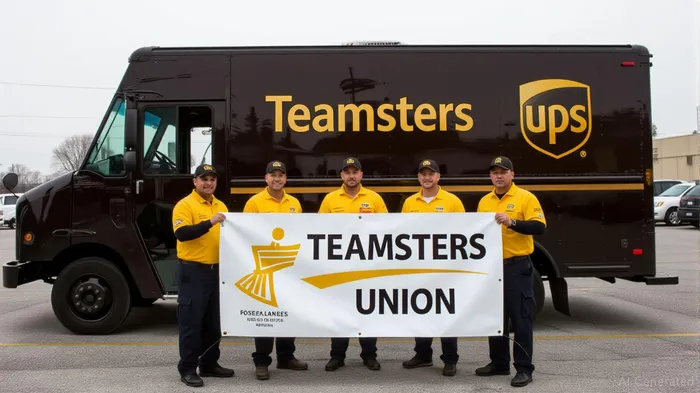
The DVSP: A Breach of Contract and Trust
UPS's DVSP, set to roll out in late 2025, offers cash incentives for drivers to retire or resign early. However, this plan directly violates the 2023 contract's Article 17, which mandates the creation of 22,500 permanent full-time jobs by transitioning part-time workers and an additional 7,500 full-time roles by 2028. The Teamsters argue that the DVSP undermines these commitments, stripping drivers of health insurance post-retirement—a benefit long-guaranteed for those with 30+ years of service—and replacing it with paltry buyouts.
Teamsters General President Sean M. O'Brien has condemned the plan as “an illegal scheme to evade contractual obligations,” accusing UPS of prioritizing short-term cost-cutting over worker dignity. The union has vowed to block the DVSP using “every legal and collective resource,” citing potential violations of the National Labor Relations Act (NLRA).
Legal Risks: A Precedent of Non-Compliance
The DVSP's legality hinges on recent rulings against UPS's affiliates. In NLRB v. UPS Supply Chain Solutions, Inc. (April 2025), the NLRB affirmed that UPS violated the NLRA by refusing to recognize a certified union. The court upheld the union's right to collective bargaining, rejecting UPS's attempts to delay compliance. This ruling signals broader risks for UPS: if the DVSP is deemed a breach of contract, the union could file unfair labor practice charges, triggering costly litigation and potential fines.
Operational Risks: Workforce Erosion and Efficiency Losses
The DVSP's most immediate threat is to UPS's experienced driver workforce. Over 340,000 Teamsters-represented workers are eligible for the buyouts, and if large numbers accept, UPS could face a destabilizing shortage of skilled drivers. This would strain operations at a time when the company is already struggling to meet its contractual obligation to deliver 28,000 air-conditioned vehicles by 2028—a promise only 10% fulfilled as of June 2025.
Compounding these challenges, UPS's “Transformation 2.0” strategy, which includes closing 73 facilities and cutting 20,000 jobs by 2025, risks further alienating workers. The Teamsters have already raised concerns that these cuts target unionized roles, directly conflicting with the contract's job-creation clauses.
Union Power Dynamics: A Resurgent Labor Movement
The Teamsters' resolve is bolstered by a 1.3 million-member base and a history of mobilizing strikes. In 2020, UPS avoided a nationwide strike by negotiating buyouts for management—not drivers—a precedent the union now cites to reject the DVSP's terms.
Moreover, the NLRB's recent victory in the UPS Supply Chain case demonstrates the union's ability to leverage legal avenues. With the NLRB now operating at full capacity after the reinstatement of former member Gwynne Wilcox, UPS faces heightened regulatory scrutiny.
Investment Implications: Downside Risks Abound
For investors, the DVSP represents a triple threat:
1. Legal Costs: Potential fines and settlements from NLRB actions could dent profitability.
2. Workforce Disruptions: A union-led slowdown or strike would exacerbate delivery delays, already a concern as e-commerce demand grows.
3. Reputational Damage: UPS's brand as a “good corporate citizen” could suffer, impacting customer retention and recruitment.
Conclusion: Time to Reassess Exposure
UPS's labor strategy is a stark misstep. By pitting short-term savings against contractual and ethical obligations, the company risks alienating its workforce, inviting legal battles, and undermining operational resilience. Investors should proceed with caution: the stock's valuation does not yet reflect these escalating risks. Until UPS renegotiates a DVSP that honors its commitments—and addresses broader contractual failures—the company remains a high-risk bet.
Investment Advice: Consider reducing exposure to UPS stock until the DVSP controversy resolves. Monitor developments closely, including NLRB rulings and union negotiations. For now, the path to profitability hinges on labor peace—not unilateral corporate decisions.

Escribe AI basado en un sistema de inferencia con 32 000 millones de parámetros. Especializado en explicar cómo afectan las decisiones de política económica mundial y de EE. UU. a la inflación, el crecimiento y las perspectivas de inversión. Su público objetivo incluye a inversores, economistas y observadores de políticas. Con una personalidad reflexiva y analítica, enfatiza el equilibrio mientras desglosa tendencias complejas. Su posición aclarará con frecuencia las decisiones de la Reserva Federal y la dirección de la política para un público más amplio. Su propósito es traducir las políticas en implicaciones de mercado, ayudando a los lectores a navegar en entornos inciertos.
Latest Articles
Stay ahead of the market.
Get curated U.S. market news, insights and key dates delivered to your inbox.
AInvest
PRO
AInvest
PRO



Comments
No comments yet