
UPS Freezes Dividend in 2026 as Strategy Shifts to High-Growth Sectors
 Aime Summary
United Parcel Service (UPS) has announced a dividend freeze for 2026 as part of a strategic shift in its business operations. The company is moving away from low-margin contracts, particularly with Amazon, to focus on higher-value markets such as B2B, healthcare, and small and medium businesses ().
This move is intended to improve long-term profitability and network efficiency while redirecting capital to more sustainable segments. UPSUPS-- plans to reduce its Amazon volume by 2 million pieces daily over two years, .
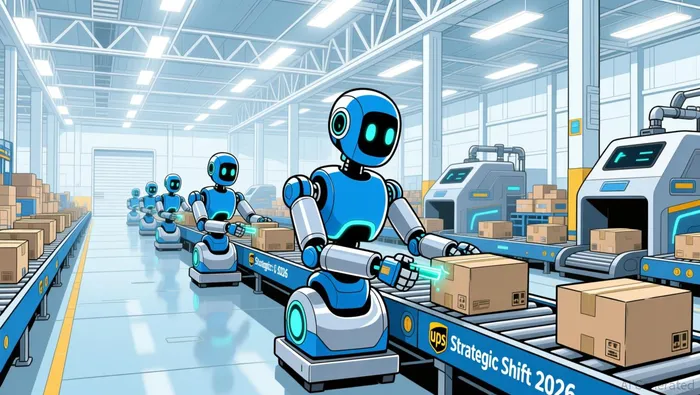
The company is also investing in automation and optimizing its network to create a more agile infrastructure. These efforts are expected to result in a $3 billion capital expenditure in 2026, the lowest in a decade.
Why Is UPS Freezing Dividends in 2026?
UPS aims to return to a more sustainable . This refocus on capital efficiency aligns with the company's broader strategy to enhance profitability while managing its debt load. The dividend freeze also reflects a shift in capital allocation priorities, with a greater emphasis on reinvesting in core operations and high-growth markets.
The decision comes amid rising costs, including fuel expenses and trade route adjustments, which are putting pressure on profit margins. By freezing the dividend, UPS can preserve cash and fund its transformation efforts, particularly in automation and network optimization.
What Are the Risks for UPS and Investors?
Despite the long-term strategic benefits, the dividend freeze raises concerns about short-term financial flexibility. UPS's heavy debt load could limit its ability to weather potential downturns or unexpected costs, such as those related to technology integration or credit performance.
Additionally, UPS's share price has underperformed over the past year, , signaling investor uncertainty about its growth trajectory. While the company's valuation appears mixed—trading at a 3.3% premium relative to intrinsic value but at a discount to peers— this could create volatility in the near term.
Key risks include potential union disputes and the impact of debt on future earnings. If earnings estimates continue to fall short of expectations, it could raise questions about the sustainability of its dividend in the long term. However, the company's shift toward higher-margin business could mitigate these challenges if execution remains strong.

Stay ahead of the market.
Get curated U.S. market news, insights and key dates delivered to your inbox.


AInvest
PRO
AInvest
PRO



Comments
No comments yet