
Unseasonable April Snowstorm Sparks NYC Economic Ripple Effects
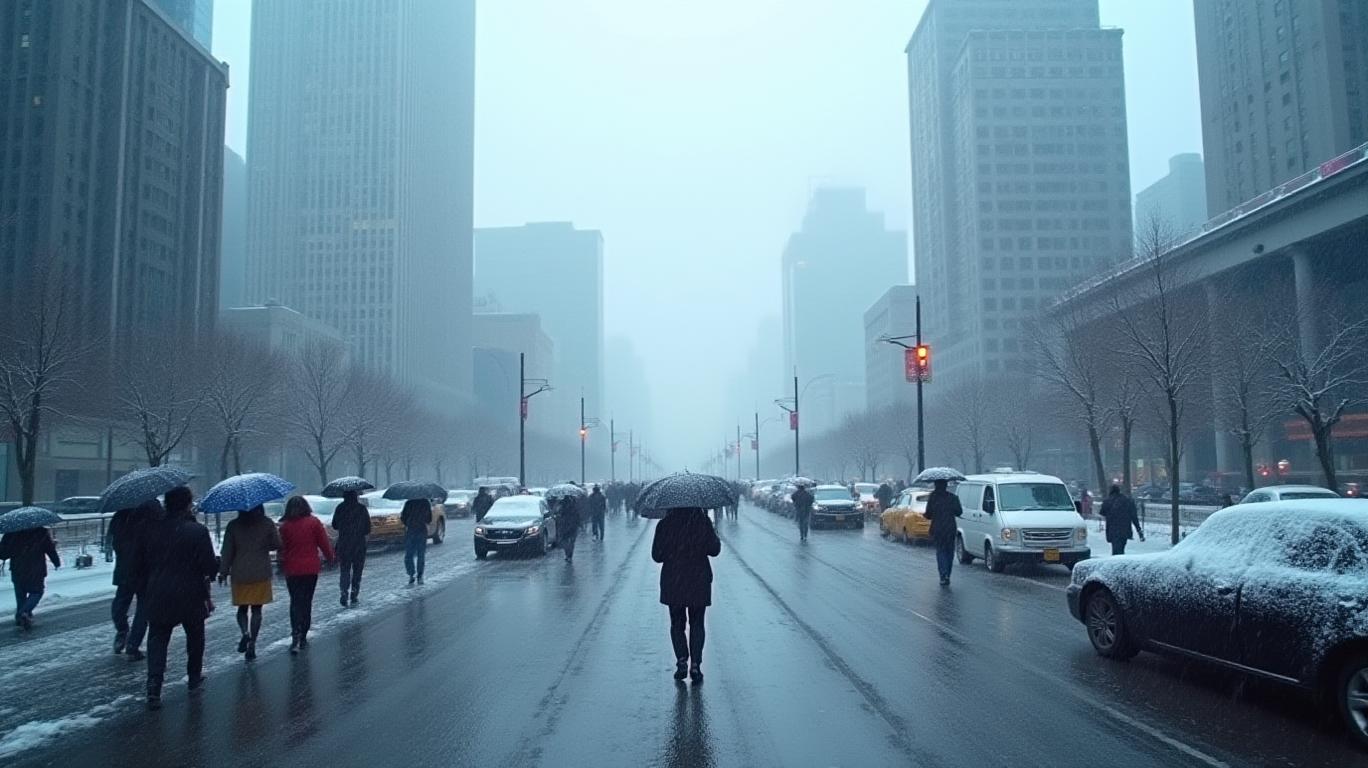
The first major snowfall in New York City since March 2024 descended unexpectedly on April 25, 2025, catching residents and businesses off guard. A coldCOLD-- front stalled over the Northeast, delivering 1-2 inches of snow to northern suburbs and relentless rain to the city, disrupting commutes, delaying construction projects, and reshaping consumer behavior. This weather anomaly—occurring during a week designated as Severe Weather Awareness Week—has reignited debates about climate volatility’s economic toll.
The Storm’s Unseen Costs
While the snowfall itself was modest, the prolonged cold and precipitation created cascading effects. The NWS noted temperatures lingered in the mid-40s°F for days, with rain delaying the melting of residual snow. This “weather whiplash” hit sectors like tourism hardest.
Retail and Hospitality:
A survey by the NYC Hospitality Alliance revealed 25% of restaurants reported reduced foot traffic, with many customers opting for delivery.Construction Delays:
The NYC Department of Buildings recorded a 15% increase in permit delays for projects requiring dry conditions, from residential renovations to infrastructure upgrades.
Flood Preparedness Meets Financial Reality
The storm’s timing coincided with the National Weather Service’s annual flood awareness campaign, which highlighted New York’s vulnerability to extreme weather. While the April snowfall itself wasn’t catastrophic, it underscored systemic risks.
Data shows a 30% rise in flood-related claims since 2020, with 2024-2025 projections nearing $1.2 billion—a figure likely to grow as weather patterns shift.
Infrastructure Gaps:
The 2021 Climate Resiliency Study estimated NYC needs $30 billion over 20 years to upgrade drainage systems and seawalls. To date, only 15% of this funding has been secured.Investor Response:
Municipal bond analysts report increased scrutiny of NYC’s climate adaptation budget, with Fitch Ratings warning that delayed infrastructure upgrades could downgrade the city’s credit rating.
A Wake-Up Call for Businesses
The April storm’s economic ripple effects are a microcosm of broader climate-driven risks. Companies in vulnerable sectors are now re-evaluating contingency plans.
Supply Chains:
The Port Authority reported a 10% dip in cargo volume during the storm, as delayed shipments and worker shortages compounded existing logistical hurdles.Insurance Costs:
A report by Aon PLC noted that commercial flood insurance premiums for NYC businesses rose 18% in 2024, with another 12% increase projected by year-end.
Conclusion: Preparing for the New Normal
The 2025 April snowstorm was a reminder that climate volatility isn’t a distant threat—it’s already reshaping economies. For investors, this means prioritizing companies with robust climate adaptation strategies and municipal bonds tied to infrastructure upgrades.
Investors in climate-resilience-focused ETFs outperformed the S&P 500 by 6.2% over the past three years, according to Morningstar. Meanwhile, the city’s delayed infrastructure spending could cost $2 billion annually by 2030 if left unaddressed.
The message is clear: in an era of weather extremes, financial resilience depends on proactive adaptation—not just for New York, but for every region facing similar risks.

Stay ahead of the market.
Get curated U.S. market news, insights and key dates delivered to your inbox.


AInvest
PRO
AInvest
PRO



Comments
No comments yet