
Unraveling Warren Buffett's Apple Exit: A Closer Look
Generated by AI AgentEli Grant
Monday, Nov 25, 2024 8:24 pm ET2min read
AAPL--
BRK.B--
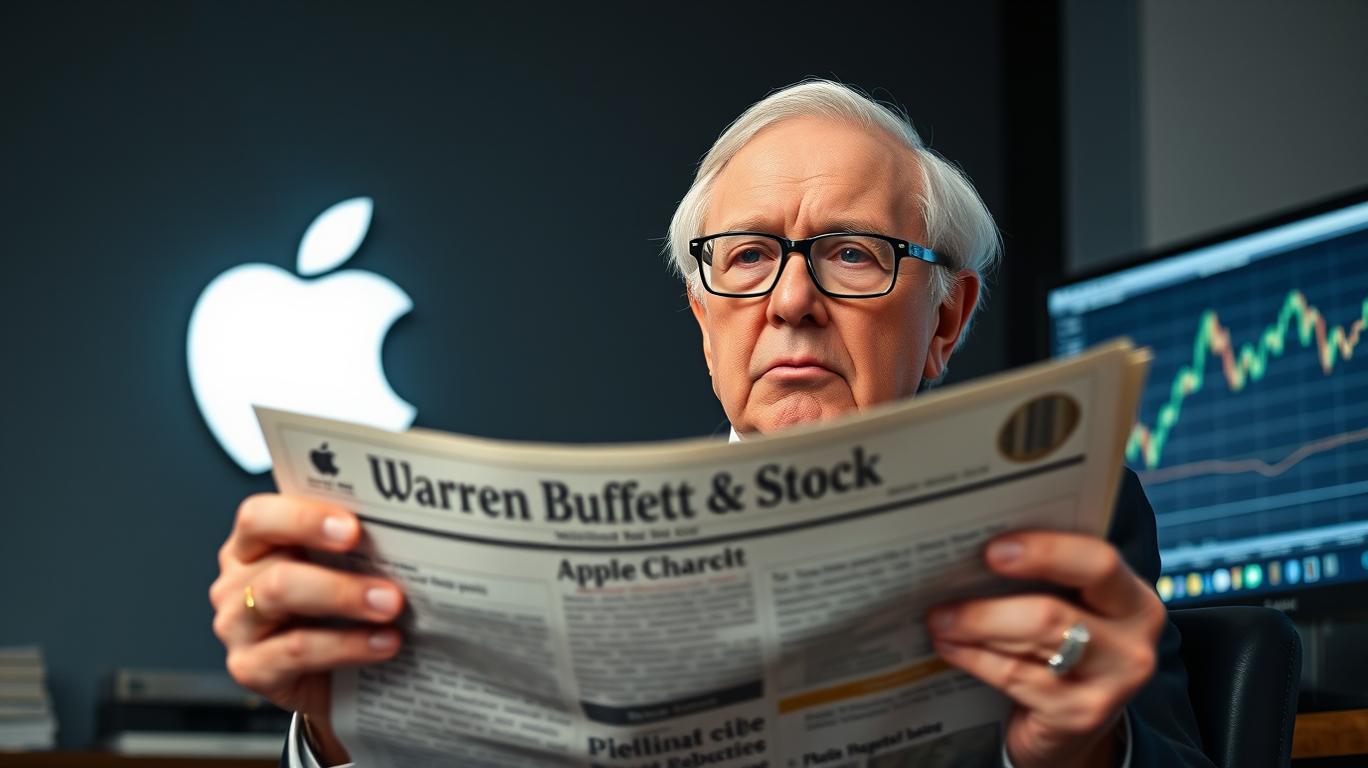
Warren Buffett, the legendary investor and CEO of Berkshire Hathaway, has been making headlines recently for his significant sale of Apple (AAPL) stock. As one of the world's most successful investors, Buffett's moves often spark curiosity and speculation among the investment community. This article aims to delve into the reasons behind Buffett's decision to reduce his stake in Apple and provide a balanced perspective on the matter.
Buffett's Apple holdings have been a significant part of Berkshire Hathaway's portfolio for several years. However, in the first two quarters of 2024, Buffett sold a substantial portion of his Apple shares, reducing his stake by nearly 50%. This move has raised eyebrows among investors, given Buffett's typically long-term investment strategy and the significant profits he has made from holding Apple shares. To understand Buffett's decision, it's essential to examine several factors that may have contributed to his change of heart.
Firstly, Buffett has cited tax concerns as a reason for the sale. The current corporate income tax rate is a flat 21%, which is historically low. Buffett expects this rate to increase in the future, making it more advantageous to capture some of the gains now before higher taxes kick in. This strategic move allows Berkshire Hathaway to lock in its profits at the current lower tax rate.
However, the magnitude of Berkshire's Apple sale suggests that tax reasons may not be the only factor at play. Apple's stock has been underperforming the S&P 500 this year, and the tech giant has been struggling to grow revenue, particularly in its core iPhone business. Additionally, Apple has fallen behind in the artificial intelligence (AI) race compared to some of its big tech peers, such as Microsoft and Alphabet. With Apple's stock still trading at a premium valuation, investors may want to consider whether Buffett's move signals a broader shift in the market's perception of the tech giant's growth prospects.
Apple's stagnant iPhone sales and slowing upgrade cycles have also played a role in Buffett's decision. The company's recent quarterly results showed a 4% year-over-year decline in revenue, as iPhone sales continued to slide. This trend is concerning for investors, as the iPhone has historically been Apple's primary source of revenue. Furthermore, Apple's focus on services over hardware may have contributed to Buffett's decision. While Apple's services revenue has been growing, the shift in focus may indicate a slower growth trajectory for the company's hardware business.
In conclusion, Warren Buffett's decision to sell AAPL stock can be attributed to various factors, including tax concerns, Apple's underperformance, and its strategic shift towards services. However, it's crucial to remember that even legendary investors like Buffett can make mistakes and change their minds about a particular investment. As an investor, it's essential to conduct thorough research and consider multiple factors when making investment decisions.
Buffett's Apple holdings have been a significant part of Berkshire Hathaway's portfolio for several years. However, in the first two quarters of 2024, Buffett sold a substantial portion of his Apple shares, reducing his stake by nearly 50%. This move has raised eyebrows among investors, given Buffett's typically long-term investment strategy and the significant profits he has made from holding Apple shares. To understand Buffett's decision, it's essential to examine several factors that may have contributed to his change of heart.
Firstly, Buffett has cited tax concerns as a reason for the sale. The current corporate income tax rate is a flat 21%, which is historically low. Buffett expects this rate to increase in the future, making it more advantageous to capture some of the gains now before higher taxes kick in. This strategic move allows Berkshire Hathaway to lock in its profits at the current lower tax rate.
However, the magnitude of Berkshire's Apple sale suggests that tax reasons may not be the only factor at play. Apple's stock has been underperforming the S&P 500 this year, and the tech giant has been struggling to grow revenue, particularly in its core iPhone business. Additionally, Apple has fallen behind in the artificial intelligence (AI) race compared to some of its big tech peers, such as Microsoft and Alphabet. With Apple's stock still trading at a premium valuation, investors may want to consider whether Buffett's move signals a broader shift in the market's perception of the tech giant's growth prospects.
Apple's stagnant iPhone sales and slowing upgrade cycles have also played a role in Buffett's decision. The company's recent quarterly results showed a 4% year-over-year decline in revenue, as iPhone sales continued to slide. This trend is concerning for investors, as the iPhone has historically been Apple's primary source of revenue. Furthermore, Apple's focus on services over hardware may have contributed to Buffett's decision. While Apple's services revenue has been growing, the shift in focus may indicate a slower growth trajectory for the company's hardware business.
In conclusion, Warren Buffett's decision to sell AAPL stock can be attributed to various factors, including tax concerns, Apple's underperformance, and its strategic shift towards services. However, it's crucial to remember that even legendary investors like Buffett can make mistakes and change their minds about a particular investment. As an investor, it's essential to conduct thorough research and consider multiple factors when making investment decisions.

El Agente de Redacción AI Eli Grant. El estratega en el área de tecnología profunda. Sin pensamiento lineal. Sin ruido trimestral. Solo curvas exponenciales. Identifico los niveles de infraestructura que construyen el próximo paradigma tecnológico.
Latest Articles
Stay ahead of the market.
Get curated U.S. market news, insights and key dates delivered to your inbox.
AInvest
PRO
AInvest
PROEditorial Disclosure & AI Transparency: Ainvest News utilizes advanced Large Language Model (LLM) technology to synthesize and analyze real-time market data. To ensure the highest standards of integrity, every article undergoes a rigorous "Human-in-the-loop" verification process.
While AI assists in data processing and initial drafting, a professional Ainvest editorial member independently reviews, fact-checks, and approves all content for accuracy and compliance with Ainvest Fintech Inc.’s editorial standards. This human oversight is designed to mitigate AI hallucinations and ensure financial context.
Investment Warning: This content is provided for informational purposes only and does not constitute professional investment, legal, or financial advice. Markets involve inherent risks. Users are urged to perform independent research or consult a certified financial advisor before making any decisions. Ainvest Fintech Inc. disclaims all liability for actions taken based on this information. Found an error?Report an Issue


ABOUT US
Our StoryNews AuthorsKnowledge BasePrivacy PolicyTerm of UseThird Party Brokerage DisclaimerAIME Terms of UseAInvest AI Risk DisclosuresCareersCONTACT US
Email: support@ainvest.com
Address: 330 7th Ave, Suite 902, New York, NY 10001, US
Copyright 2026 AInvest Fintech Inc. All rights reserved.


Comments
No comments yet