
Unlocking Wealth Through Energy Efficiency: A Strategic Play for Investors
The energy efficiency revolution is no longer a niche trend—it's a multi-billion-dollar investment opportunity. With global energy costs surging and governments tightening environmental regulations, homes that prioritize efficiency are becoming the gold standard. For investors, this shift offers a triple win: reduced utility bills, tax incentives, and enhanced property values. Let's dive into the data and strategies to capitalize on this trend before it's too late.
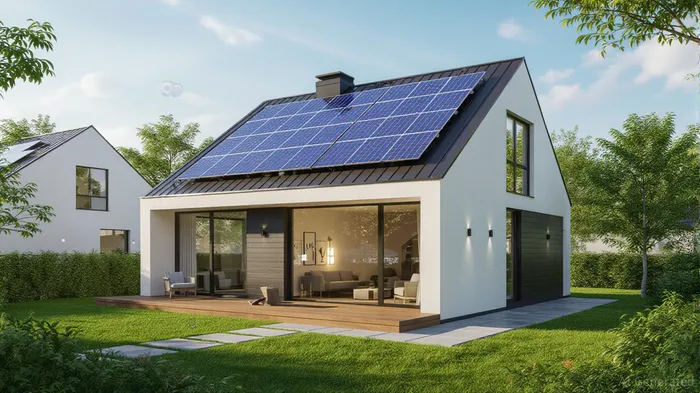
The Triple Play: Savings, Incentives, and Appreciation
1. Tax Credits: A Government-Backed Bonanza
The U.S. federal government is offering $3,200 annually in tax credits for energy-efficient home improvements (Section 25C) and 30% off clean energy systems (Section 25D) through 2025. These credits cover everything from solar panels to heat pumps, with specific limits for doors, windows, and insulation. For example:- Heat pumps: Qualify for up to $2,000 credit.- Insulation/Windows: Up to $1,200 combined credit.- Solar/Battery Storage: 30% of costs, up to $1,000 for EV chargers.
But hurry: these credits sunset on December 31, 2025, replaced by stricter rules under the GOP's One Big Beautiful Bill Act. Investors flipping homes or developing residential properties must act now to lock in these incentives.
Tesla's rise reflects investor confidence in clean energy tech, including home battery systems like Powerwall.
2. Utility Bill Savings: Cash in Hand
Energy-efficient upgrades aren't just green—they're profitable. Data shows:- $450/year savings by adopting ENERGY STAR-rated appliances.- $1,070/year achievable through a mix of low-cost upgrades (LED bulbs, programmable thermostats) and high-ticket items (solar panels).- 10-23% reduction in heating/cooling costs with smart thermostats (e.g., Nest) and better insulation.
For a rental property owner, these savings directly boost cash flow. A $1,000 annual saving on utilities on a $2,000/month rental translates to a 5% increase in net operating income, enhancing property valuations.
3. Property Value Gains: A Long-Term Hedge
Energy efficiency isn't just a cost play—it's a value multiplier. Studies show:- 10-20% premium for homes with solar panels, Energy Star ratings, or smart home systems.- Faster sales: 94% of buyers prioritize energy-efficient features, per the National Association of Realtors.
Investors buying “fixer-upper” homes can flip them into energy-efficient powerhouses, leveraging tax credits to cover upfront costs. A $50,000 investment in solar panels (with a $15,000 tax credit) could add $10,000 to the home's value—netting a 30% ROI before resale.
Strategic Investment Plays
A. Residential Real Estate: Flip for Efficiency
- Target: Older homes in high-demand areas lacking insulation, solar, or smart tech.
- Action: Renovate using tax-credit-eligible materials (e.g., Energy Star windows, heat pumps).
- Exit: Sell for a premium or rent at higher rates.
Example: A $300K home with $20K in upgrades (insulation + solar) could command a $450K sale price post-renovation.
B. Clean Energy Tech Stocks: Power the Revolution
Invest in companies leading the energy efficiency boom:- Tesla (TSLA): Dominates EV chargers and home batteries.
- SunPower (SPWR): Premium solar panel manufacturer.
- Johnson Controls (JCI): Smart thermostats and building automation.
SunPower's rise mirrors growing demand for solar solutions.
C. Municipal Bonds: Safe Government-Backed Yield
Invest in municipal bonds funding public energy efficiency programs (e.g., low-income insulation grants). These offer tax-free income and align with the Biden administration's $500B climate infrastructure push.
Risks and Considerations
- Policy Uncertainty: The GOP's proposed tax bill could phase out credits after 2025. Act swiftly to qualify.
- Upfront Costs: High-efficiency upgrades require capital. Use tax credits and low-interest loans (e.g., FHA Energy Efficient Mortgages) to offset expenses.
- Market Saturation: Avoid overpaying for already “green” neighborhoods; focus on underpenetrated markets.
Final Call to Action
The energy efficiency window is closing—literally and figuratively. With tax credits expiring in 2025 and utility prices soaring, now is the time to:1. Buy/Develop: Target homes ripe for efficiency upgrades.
2. Invest: Back clean energy leaders like TSLATSLA-- and SPWRSPWR--.
3. Diversify: Use muni bonds for steady income.
This isn't just about saving the planet—it's about saving investors from obsolescence. The era of energy-inefficient homes is ending. Will you be ahead of the curve, or left behind?
Act now—before the credits, the savings, and the opportunity disappear.

Stay ahead of the market.
Get curated U.S. market news, insights and key dates delivered to your inbox.
AInvest
PRO
AInvest
PRO



Comments
No comments yet