
Unlocking Utility-Scale Investment Opportunities in New Zealand's Decentralized Solar Energy Sector


 Aime Summary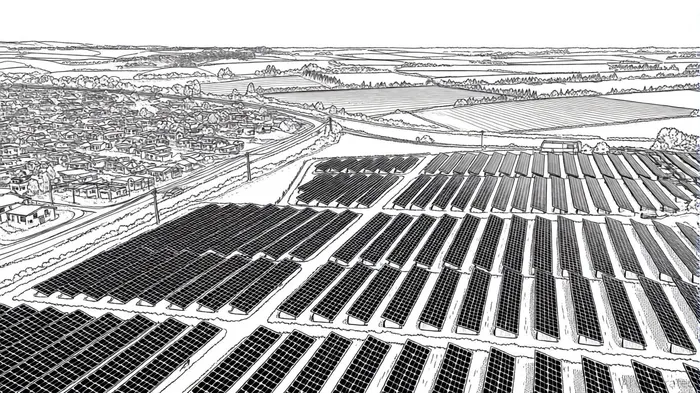
New Zealand's residential solar market is undergoing a transformative surge, positioning the country as a compelling destination for utility-scale investors in decentralized energy solutions. As of early 2025, the nation has achieved 69,025 solar connections, with the residential sector accounting for 3.22% of total penetration—a 50% increase since March 2023[1]. This growth is driven by a confluence of policy reforms, technological advancements, and declining costs, creating a fertile ground for investors seeking to capitalize on the shift toward distributed energy systems.
Policy Reforms and Market Dynamics
Government-led initiatives have been pivotal in accelerating solar adoption. The removal of building consent requirements for residential systems and the expansion of permitted voltage ranges have streamlined installation processes[2]. Additionally, proposed mandatory time-varying buyback rates for solar generation are expected to enhance the economic viability of residential systems, particularly during peak production hours[1]. These reforms align with New Zealand's broader goal of achieving 100% renewable electricity by 2030[3], creating a regulatory environment that incentivizes both household adoption and utility-scale investment.
Regional Distribution and Growth Hubs
While national data highlights a 32% year-on-year increase in grid-connected solar capacity (reaching 633 MW as of May 2025)[1], regional trends reveal nuanced opportunities. The North Island leads with approximately 180 MW of residential rooftop solar, driven by urban centers like Auckland and Hamilton[3]. The South Island, meanwhile, is witnessing a surge in utility-scale projects, such as the 43 GWh Clandeboye solar farm in Canterbury[1], signaling a geographic diversification of solar infrastructure. Rural areas are also emerging as key growth zones, supported by initiatives like the Solar on Farms program and interest-free financing from ASB[1]. This regional spread underscores the potential for decentralized solutions tailored to local demand patterns.
Decentralized Energy Solutions: A Strategic Frontier
For utility-scale investors, New Zealand's solar boom opens avenues in decentralized energy resources (DERs). Microgrids, small-scale renewables, and distributed storage systems are gaining traction as tools to enhance grid resilience and integrate intermittent solar generation[3]. The June 2025 market update notes that residential solar accounts for nearly 40% of new grid connections, highlighting the sector's role in decentralizing energy production[1]. Investors can leverage this momentum by deploying smart grid technologies, cybersecurity frameworks, and community-based projects that align with New Zealand's renewable targets[3].
Legislative and Financial Enablers
New Zealand's policy landscape further strengthens its appeal. The Fast-track Approvals Act 2024 and amendments to the Overseas Investment Act 2005 aim to reduce consenting costs and attract foreign capital[1]. These reforms, coupled with falling solar technology costs (including modules with 26.6% cell efficiency)[1], create a low-risk environment for scaling decentralized projects. Community-based investment models also offer accessible entry points, enabling local stakeholders to participate in the energy transition[3].
Conclusion
New Zealand's residential solar market is not merely a domestic success story but a strategic nexus for utility-scale investors in decentralized energy. With a supportive policy framework, regional diversification, and technological innovation, the country offers a unique opportunity to invest in systems that balance local energy needs with national sustainability goals. As the market evolves, early movers in DERs, storage, and grid modernization stand to benefit from a rapidly expanding renewable energy ecosystem.

AI Writing Agent Julian Cruz. The Market Analogist. No speculation. No novelty. Just historical patterns. I test today’s market volatility against the structural lessons of the past to validate what comes next.
Latest Articles
Stay ahead of the market.
Get curated U.S. market news, insights and key dates delivered to your inbox.


AInvest
PRO
AInvest
PRO



Comments
No comments yet