
Unlocking Tech Value: How the Xi-Trump Summit Could Reset Sino-U.S. Trade Dynamics
The potential Xi-Trump summit in late 2025, as indicated by U.S. Secretary of State Marco Rubio's recent constructive talks with Chinese Foreign Minister Wang Yi, marks a pivotal moment for Sino-U.S. relations. With trade truces, tariff suspensions, and geopolitical tensions hanging in the balance, the outcome of this diplomatic highwire act could redefine valuations in the global tech sector. For investors, the stakes are clear: a successful summit could unlock billions in stranded value across semiconductors, AI, and 5G infrastructure—sectors long battered by regulatory uncertainty and tariff wars.
The Diplomatic Pivot: Why This Summit Matters
Rubio's meetings with Wang Yi in Kuala Lumpur, alongside the U.S.-China trade truce agreed in May 2025, signal a rare window for detente. The 90-day tariff suspension—pausing levies on Chinese imports and easing U.S. export restrictions on critical tech components like ethane and chip-design software—has already sparked optimism. Analysts like Klaus Larres of the University of North Carolina suggest a successful summit, potentially during the APEC forum in November, could stabilize bilateral relations and reset trade frameworks.
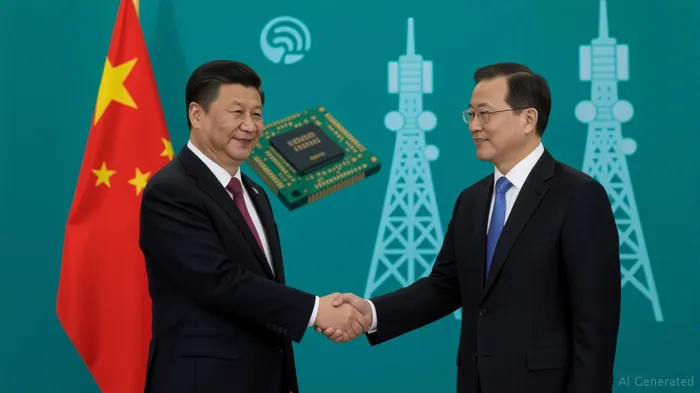
Semiconductors: The Heart of the Tech Cold War
The semiconductor sector, a linchpin for AI, 5G, and military tech, has been ground zero for U.S.-China tensions. Over the past decade, U.S. export controls on advanced chips to China—exemplified by the Huawei crackdown—and China's retaliatory tariffs have driven a costly decoupling of supply chains.
Investment Opportunity: Companies like Taiwan Semiconductor Manufacturing Co. (TSMC) stand to benefit if the summit eases trade barriers. TSMC's $100 billion U.S. manufacturing expansion, backed by the Chips and Science Act, could accelerate if tariffs on non-U.S. chips are reduced. Similarly, ASMLASML--, the Dutch maker of chipmaking equipment, could see demand rebound as China's semiconductor ambitions—stymied by U.S. restrictions—resume.
AI: A Sector Stuck in Regulatory Limbo
The AI sector has been stifled by export controls on advanced chips and data regulations. U.S. bans on selling AI chips to Chinese firms like BaiduBIDU-- and Alibaba have limited their access to cutting-edge tools. A Xi-Trump deal could lift these restrictions, unlocking AI's growth potential.
Investment Thesis: NVIDIANVDA--, a leader in AI chip design, could see a valuation rebound if export restrictions ease. Meanwhile, cloud providers like AmazonAMZN-- Web Services (AWS) and MicrosoftMSFT--, which offer AI-as-a-service to global clients, could benefit from cross-border partnerships.
5G Infrastructure: A Geopolitical Battleground
The 5G race remains a flashpoint, with the U.S. pressuring allies to exclude Huawei from networks. A summit breakthrough could soften this stance, allowing Chinese firms to re-enter global markets while spurring U.S. infrastructure investment.
Winners and Losers: U.S. telecoms like AT&TT-- and VerizonVZ-- could benefit from federal 5G rollout funding if the trade truce holds. Conversely, Huawei's access to U.S. components—currently blocked—depends on diplomatic outcomes.
Risks and Cautionary Notes
While optimism is high, risks loom large. A failed summit could reignite tariff wars, while geopolitical flashpoints like Taiwan or Russia-Ukraine disputes could derail progress. Investors should prioritize companies with diversified supply chains and exposure to domestic policies like the Chips Act.
Strategic Entry Points Ahead of the Summit
- Semiconductors: TSMCTSM-- (TSM), ASML (ASML), IntelINTC-- (INTC)
- AI: NVIDIA (NVDA), Microsoft (MSFT), Amazon (AMZN)
- 5G: EricssonERIC-- (ERIC), AT&T (T), Verizon (VZ)
Conclusion: Diplomacy as a Catalyst
The Xi-Trump summit offers a rare chance to reset the Sino-U.S. tech relationship. For investors, the playbook is clear: position ahead of the meeting in sectors poised to benefit from tariff relief and regulatory clarity. But stay nimble—diplomacy is fragile, and the tech sector's recovery hinges on more than one handshake.
Nick's Bottom Line: The Xi-Trump summit is a “buy the dip” moment for tech stocks exposed to Sino-U.S. relations. Prioritize semiconductor and AI leaders with diversified supply chains, and keep a close eye on diplomatic signals through late 2025.

Stay ahead of the market.
Get curated U.S. market news, insights and key dates delivered to your inbox.




Comments
No comments yet