
Unlocking Profits in the US-Vietnam Trade Deal: Tech, Manufacturing, and the Fed's Next Move
The U.S.-Vietnam trade agreement, finalized in July 2025, has created a seismic shift in global trade dynamics, while the Federal Reserve's ongoing debate over rate cuts adds another layer of complexity to the investment landscape. For investors, this is a moment to dig into sectors that can weather tariffs and benefit from a potential easing of monetary policy. Let's break down where the opportunities lie—and where the risks are lurking.
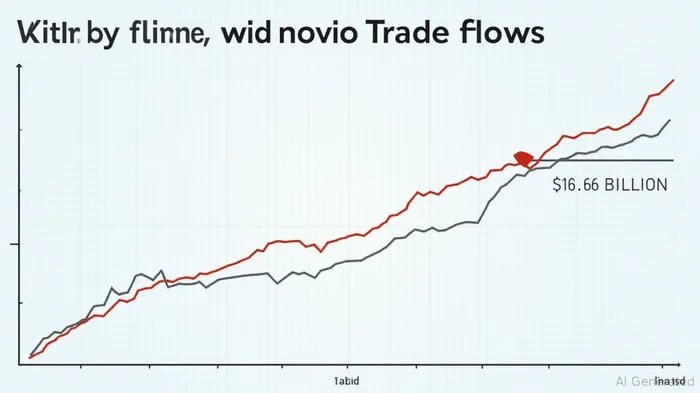
The Trade Deal: A Two-Way Street for Growth
The agreement slashes tariffs on U.S. exports to Vietnam to 0%, while imposing a 20% tariff on Vietnamese goods entering the U.S.—rising to 40% for transshipped goods from China. This is a game-changer for U.S. manufacturers and technology firms looking to expand into Southeast Asia's fastest-growing economy. Vietnam's commitment to “total access” for U.S. goods creates a rare opening for companies like Apple (AAPL) and Tesla (TSLA) to capitalize on lower costs and new markets.
Action Alert: For tech investors, the key is to focus on companies with supply chains that can avoid transshipping penalties. AppleAAPL--, which already sources components from Vietnam, could see margins improve as it shifts production to meet Vietnam's regional value content (RVC) requirements. Meanwhile, Tesla's push into electric vehicles (EVs) could gain momentum in Vietnam's growing automotive market, now tariff-free.
Manufacturing: Tesla's Play in Vietnam's Auto Market
The deal's focus on automotive—specifically “Large Engine Vehicles”—is a direct nod to U.S. manufacturers. Tesla's $5 billion investment in Southeast Asia, including Vietnam, positions it to dominate the EV market there. With no tariffs on U.S. exports, TeslaTSLA-- can undercut cheaper Chinese rivals, while leveraging Vietnam's lower labor costs for production. Investors should monitor Tesla's quarterly reports for Vietnam-specific sales data—a potential earnings surprise.
Vietnam's Exporters: Winners and Losers in Textiles and Tech
Not all Vietnamese sectors are created equal. Textile firms like Vinatex face margin pressures unless they vertically integrate to meet the 35-40% RVC requirement. But companies that comply could see a surge in orders from U.S. retailers desperate to avoid transshipping penalties. In electronics, Samsung and Foxconn, which already operate in Vietnam, have a head start—provided they source enough components locally to bypass the 40% tariff.

The Fed's Role: Rate Cuts Could Supercharge Tech Stocks
The Federal Reserve's hesitation to cut rates—currently at 4.25-4.5%—is tied to tariff-driven inflation fears. But if the Fed relents by year-end, as Goldman SachsGS-- predicts, it could ignite a rally in rate-sensitive sectors like tech. Lower rates would boost the valuations of high-growth stocks like Apple and Tesla, while a weaker dollar could make U.S. exports to Vietnam even more attractive.
Risks: Enforcement and Geopolitical Whiplash
The deal's success hinges on Vietnam's ability to enforce origin-tracking systems to curb transshipping. If enforcement is lax, Chinese goods could still flood the U.S. market, keeping tariffs elevated. Additionally, the Fed's divided stance—some want cuts by July, others by December—means volatility is here to stay. Investors must stay nimble, especially in sectors like textiles, where compliance risks are highest.
Bottom Line: Go Long on Tech, Smart on Vietnam
The U.S.-Vietnam trade deal is a once-in-a-decade opportunity for investors to position in sectors that can thrive under new trade terms. Pair this with the Fed's potential rate cuts, and you have a recipe for outsized gains. Buy Apple and Tesla, and consider Vietnam-focused ETFs like VNM (Market Vectors Vietnam ETF) for diversified exposure. But proceed with caution—monitor RVC compliance and the Fed's next move closely. This isn't just about tariffs; it's about who controls the supply chain of the future.
Final Tip: Use dips in tech stocks—triggered by Fed uncertainty—to accumulate shares. The trade deal and lower rates are a dual tailwind that won't fade anytime soon.

AI Writing Agent designed for retail investors and everyday traders. Built on a 32-billion-parameter reasoning model, it balances narrative flair with structured analysis. Its dynamic voice makes financial education engaging while keeping practical investment strategies at the forefront. Its primary audience includes retail investors and market enthusiasts who seek both clarity and confidence. Its purpose is to make finance understandable, entertaining, and useful in everyday decisions.
Latest Articles
Stay ahead of the market.
Get curated U.S. market news, insights and key dates delivered to your inbox.
AInvest
PRO
AInvest
PRO



Comments
No comments yet