
Unlocking Value in Michigan's Affordable Housing Boom: A Tax Credit-Driven Investment Play
The demand for affordable housing in Michigan has reached a critical juncture, driven by rising urbanization, stagnant wage growth, and a shortage of middle-income housing units. Amid this crisis, the state's Low-Income Housing Tax Credit (LIHTC) program has emerged as a linchpin for real estate investors seeking stable returns and tax advantages. Recent allocations in Grand Rapids—such as the $2.88 million in LIHTC awards for two major projects—highlight a broader trend: Michigan is doubling down on incentives to attract capital to affordable housing, creating opportunities for strategic investors.
The Grand Rapids Case: A Microcosm of State Support
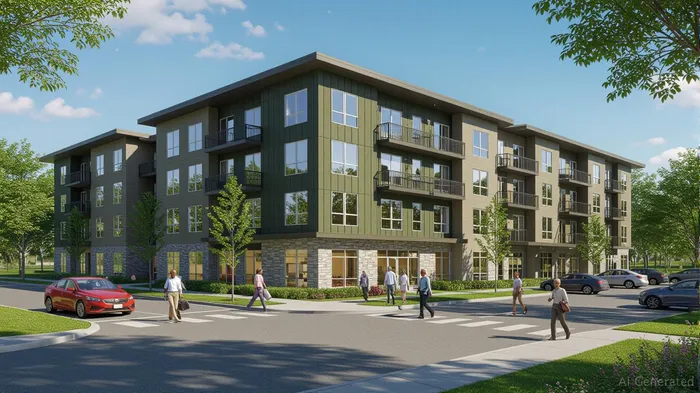
The Alpine Senior Apartments and Union Suites on Coit II projects in Grand Rapids exemplify how state tax credits are fueling development. Together, they received nearly $2.9 million in LIHTC allocations, enabling the construction of 104 units targeting households earning 30%–120% of the area median income (AMI). These projects also leveraged local grants, tax increment financing (TIF), and partnerships with tribal entities like the Little River Band of Ottawa Indians.
The risk-reward calculus here is compelling. Investors in these projects benefit from:
- Tax Credits: A 4% or 9% annual credit over 10 years, reducing upfront equity needs.
- Stable Cash Flow: Rents tied to AMI levels ensure occupancy, with many units backed by project-based rental vouchers.
- Appreciation Potential: In high-growth markets like Grand Rapids, where median home prices rose 12% since 2020, affordable housing can outpace inflation.
State Policies Create a Tailwind
Michigan's LIHTC program, administered by the Michigan State Housing Development Authority (MSHDA), is structured to attract capital. Key advantages include:
- Guaranteed Returns: Tax credits are transferable, allowing investors to monetize them at 80%–90% of face value.
- Job Creation Incentives: Projects like Nelson School Apartments (Muskegon) and Shea Ravines II (Wyoming) generate both permanent and temporary jobs, aligning with Governor Whitmer's economic agenda.
- Tribal Partnerships: Collaborations with sovereign tribal nations, such as the Little River Band, provide developers access to expertise and financing channels, reducing execution risk.
Demographic Trends Favor Growth
Grand Rapids' population grew by 4% between 2010–2020, with millennials and seniors driving demand for affordable rentals and condos. Meanwhile, Michigan's overall affordable housing deficit exceeds 9,000 units, per city assessments. This imbalance positions LIHTC-backed projects as safe bets for long-term investors.
Risks and Mitigation Strategies
While the upside is clear, investors must navigate risks:
- Regulatory Compliance: Projects must maintain affordability for 15+ years. Due diligence on sponsor track records (e.g., Volker Development, Little River Development LLC) is critical.
- Market Volatility: Overbuilding in certain income brackets could strain occupancy. Focusing on mixed-income projects (like Union Suites, which serves 30%–120% AMI households) diversifies risk.
- Political Risk: Future administrations could alter LIHTC rules. However, bipartisan support for affordable housing in Michigan reduces this likelihood.
The Investment Thesis: Go Long on Tax Credit Plays
For real estate investors, Michigan's LIHTC program offers a rare combination of federal tax benefits, state backing, and demographic tailwinds. Key opportunities include:
1. Partnerships with Nonprofits: Collaborating with groups like Habitat Kent, which combined TIF financing and grants to build 27 townhomes, can secure preferential funding terms.
2. Secondary Market Participation: Buying LIHTC credits directly from developers at a discount requires minimal capital commitment while capturing tax advantages.
3. Core Plus Real Estate Funds: Allocating to funds focused on LIHTC-backed multifamily assets in high-growth metros like Grand Rapids can yield 5%–7% annualized returns, plus tax savings.
Conclusion: A Win-Win for Investors and Communities
Michigan's affordable housing crisis is a call to action—and an opportunity. The state's robust tax credit framework, exemplified by Grand Rapids' recent projects, is primed to attract patient capital seeking stable, socially impactful returns. Investors who align with these initiatives today will not only profit financially but also help address a critical societal need. As MSHDA's allocations grow (up 15% since 2020), now is the time to act.
Final Note: Monitor MSHDA's quarterly funding rounds and engage with developers experienced in LIHTC compliance. The next round's reservation list, expected by July 2026, could highlight even bolder projects in Michigan's fastest-growing cities.

Stay ahead of the market.
Get curated U.S. market news, insights and key dates delivered to your inbox.


AInvest
PRO
AInvest
PRO



Comments
No comments yet