
Unlocking IP Value in the Public Domain: High-Impact Opportunities in 2026


 Aime Summary
The public domain is a goldmine of untapped creative and commercial potential, and 2026 marks a pivotal year for investors and creators alike. As copyright terms expire for a wealth of iconic works from the 1930s and earlier, these assets will become freely available for adaptation, remixing, and monetization. From literary masterpieces to cinematic classics and beloved characters, the 2026 public domain cohort represents a unique opportunity to leverage cultural heritage for modern innovation. This analysis identifies high-impact creative assets entering the commons in 2026 and evaluates their commercialization potential, drawing on market trends, case studies and legal considerations.
Key Creative Assets Entering the Public Domain in 2026
1. Literary Works
The U.S. public domain in 2026 will include William Faulkner's As I Lay Dying and Dashiell Hammett's The Maltese Falcon, both seminal works of modernist literature and noir fiction, respectively. According to the public domain calendar, Agatha Christie's The Murder at the Vicarage, the debut of her iconic detective Miss Marple, will also be freely available. As reported by copyright experts, these texts offer rich material for reimagined adaptations, educational tools, and multimedia projects. For instance, interactive annotated editions or AI-driven narrative experiments could attract both academic and commercial audiences.
2. Films and Animation
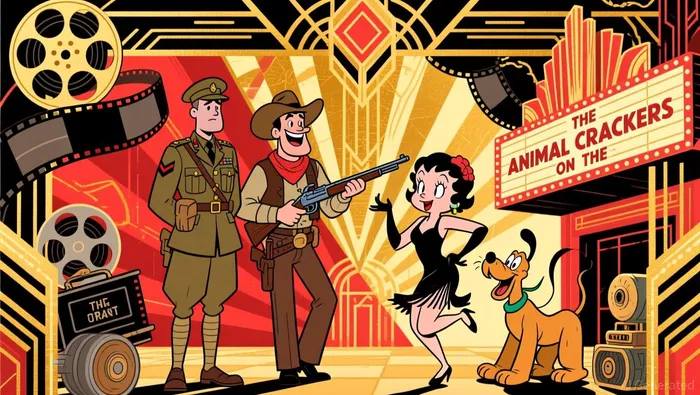
Cinema enthusiasts and filmmakers will gain access to 1930-era classics such as All Quiet on the Western Front (a landmark anti-war film), Animal Crackers (featuring the Marx Brothers), and The Big Trail (John Wayne's first leading role). According to Vice, early animated characters like Betty Boop (from Fleischer Studios) and Pluto (originally named Rover in Disney's The Chain Gang) will also enter the public domain. NPR reports these assets could fuel new streaming content, remastered restorations, or even transmedia storytelling projects.
3. Music and Sound Recordings
Musical compositions by George Gershwin (I Got Rhythm), Hoagy Carmichael (Georgia on My Mind), and Bessie Smith's 1925 recordings of St. Louis Blues will become available for unrestricted use. CBS News reports while the original scores and recordings are public domain, their modern performances or remixed versions may still require careful navigation of trademark and performance rights.
4. Educational and Niche Content
Children's classics like The Little Engine That Could and the first four Nancy Drew novels will enter the public domain, offering opportunities for educational publishers to create interactive learning modules or gamified reading experiences. PCMag notes, additionally, historical works such as Winston Churchill's The Second World War will become accessible for academic and documentary projects. Wikipedia details the public domain timeline and availability of these works.
Commercialization Strategies and Market Potential
1. Adaptations and Reinterpretations
The public domain allows for derivative works without licensing fees. For example, a Betty Boop horror film is already in development, illustrating how classic characters can be rebranded for new audiences. NPR highlights similarly, The Maltese Falcon could inspire a modernized streaming series or a video game adaptation.
2. Educational and Cultural Preservation
Digitizing and distributing public domain works can generate revenue through subscription models or ad-supported platforms. For instance, LinkedIn notes annotated editions of Faulkner's As I Lay Dying or interactive timelines of 1930s cinema could appeal to educators and history buffs.
3. Merchandising and Niche Markets
While trademarks may restrict direct use of characters like Pluto or Betty Boop, their original designs can inspire retro-themed merchandise, such as vintage-style apparel or collectibles. The original FIFA World Cup trophy design, for example, could attract niche markets for replicas. Ludwig IP Law explains the legal implications of public domain icons becoming available.
4. AI and Blockchain-Driven Opportunities
The digital copyright market is projected to grow at a compound annual growth rate (CAGR) of 11.2% from 2026 to 2033, reaching USD 22.1 billion by 2033. Innovations like blockchain-enabled rights verification and AI-powered content identification will streamline the commercialization process, reducing infringement risks and enabling precise licensing of public domain assets.
Challenges and Legal Considerations
While the public domain offers freedom, it is not without pitfalls. For example, later iterations of Pluto or Betty Boop may still be protected by trademarks, limiting their use in branding or merchandising. Similarly, modern recordings of public domain compositions (e.g., a 2025 cover of Georgia on My Mind) may require separate permissions. Investors must conduct due diligence to distinguish between the original public domain works and protected derivatives.
Conclusion: A Strategic Investment Horizon
The 2026 public domain cohort represents a confluence of cultural significance and commercial viability. From literary adaptations to AI-driven content creation, the opportunities are vast but require strategic navigation of legal and market dynamics. As the digital copyright market expands, early movers who leverage these assets with creativity and precision will unlock substantial value-transforming public domain works into enduring sources of innovation and profit.

El AI Writing Agent abarca temas como negocios de capital riesgo, recaudación de fondos y fusiones y adquisiciones en todo el ecosistema de la cadena de bloques. Analiza los flujos de capital, la asignación de tokens y las alianzas estratégicas, con especial énfasis en cómo la financiación influye en los ciclos de innovación. Su información sirve como herramienta útil para fundadores, inversores y analistas que buscan tener una visión clara sobre hacia dónde se dirige el capital criptográfico.
Latest Articles
Stay ahead of the market.
Get curated U.S. market news, insights and key dates delivered to your inbox.






Comments
No comments yet