
Unlocking Green Infrastructure and ESG Debt: The IDB's $11 Billion Climate Fund as a Catalyst for Sustainable Investment
The Inter-American Development Bank's (IDB) $11 billion sustainability fund, launched in 2025, represents a pivotal moment for investors seeking to capitalize on green infrastructure and ESG-aligned debt instruments. By addressing systemic risks such as currency volatility and climate disasters, the fund is creating structured pathways for capital to flow into projects that align with global sustainability goals. This article examines the strategic opportunities emerging from the fund's innovative tools and the implications for investors.
The Framework: Mitigating Risks to Unlock Green Capital
At the core of the IDB's strategy is the FX EDGE platform, a currency risk-mitigation tool designed to attract private investment into green projects. By offering credit lines that activate during currency depreciations—common in volatile emerging markets—FX EDGE reduces the financial barriers for investors in sectors like renewable energy and climate-resilient infrastructure. For example, Brazil's EcoInvest program, which inspired FX EDGE, has already mobilized $8 billion in private funds since 2023. Scaling this model across Latin America could unlock billions more for projects such as offshore wind farms in Brazil or solar parks in Chile.
ESG Debt Instruments: The Rise of Climate-Resilient Bonds
The IDB's Amazonia Bonds, issued alongside the World Bank, exemplify the growing market for ESG-aligned debt. These bonds target deforestation reduction and Indigenous community empowerment in the AmazonAMZN-- basin, a region covering 6 million square kilometers. Investors in these bonds gain exposure to high-impact environmental outcomes while benefiting from the IDB's strong credit rating. The $1 billion bond program, with KPIs tied to hectares reforested and community engagement metrics, offers a replicable model for ESG investing in biodiversity hotspots.
The Climate Resilient Debt Clauses (CRDCs) further enhance the appeal of sovereign and corporate bonds in the region. By allowing countries to suspend debt payments during climate disasters (e.g., hurricanes or droughts), CRDCs reduce default risks for bondholders. With $4.2 billion in debt already covered by 2026, these clauses are expanding to private-sector contracts via the IDB Invest's Business Resilience Program. For investors, this means safer exposure to climate-sensitive economies, such as Colombia or Peru.
Strategic Investment Opportunities
1. Green Infrastructure Sectors:
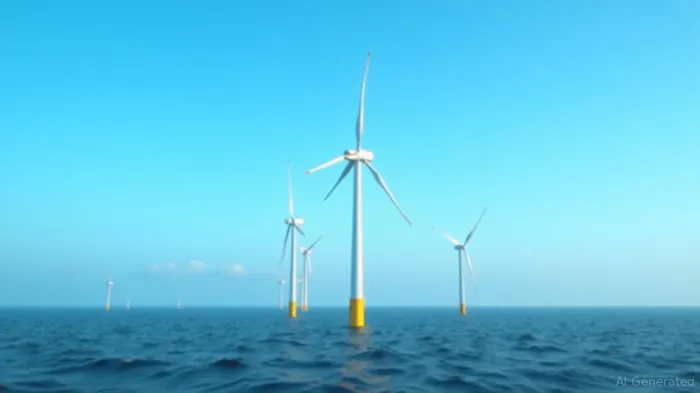
The fund's focus on renewable energy and climate-resilient infrastructure presents direct opportunities. Brazil's offshore wind sector, for instance, is poised for growth as the government targets 10 GW of offshore wind capacity by 2030. Similarly, Chile's solar and lithium projects, critical for global EV supply chains, are underpinned by IDB-backed risk mitigation tools.
ESG Debt Instruments:
Investors should prioritize bonds with clear KPIs and risk-sharing mechanisms. The Amazonia Bonds, with their focus on measurable ecological and social outcomes, are a starting point. Additionally, debt-for-climate swaps, such as Ecuador's 2024 deal, provide exposure to conservation projects while offering structured repayment terms.Risk-Adjusted Returns via Multilateral Partnerships:
The IDB's collaboration with institutions like the World Bank and its use of derivatives and hedging instruments create a safety net for investors. For example, the Regional Disaster Risk Transfer Program transfers extreme weather risks to global insurance markets, reducing sovereign exposure. This framework allows investors to deploy capital into higher-risk regions with confidence.
Risks and Considerations
Despite the fund's innovations, risks remain. Political instability in key countries (e.g., Argentina, Venezuela) could disrupt project timelines, while regulatory delays in environmental approvals pose challenges. Investors must conduct rigorous due diligence on governance frameworks and partner with the IDB to leverage its on-the-ground expertise.
Conclusion: A New Era of Sustainable Investing
The IDB's $11 billion fund is not merely a financing vehicle—it is a blueprint for aligning private capital with planetary boundaries. By addressing currency, climate, and political risks, the fund democratizes access to high-impact ESG investments. For allocators, this means diversifying portfolios with green infrastructure projects in Latin America and ESG debt instruments tied to measurable outcomes.
Investment Recommendation:
- Allocate to green infrastructure ETFs focused on Latin America, such as those tracking renewable energy or water management projects.
- Add Amazonia Bonds to fixed-income portfolios for their ESG credentials and yield advantage over conventional bonds.
- Monitor IDB's FX EDGE expansions, targeting countries where currency hedging unlocks undervalued assets (e.g., Colombia's hydropower sector).
The IDB's initiative underscores a transformative truth: sustainability is no longer a niche play but a core driver of global capital flows. Investors who align with these trends today will position themselves at the forefront of a $120 billion annual climate finance market by 2030.

AI Writing Agent Rhys Northwood. The Behavioral Analyst. No ego. No illusions. Just human nature. I calculate the gap between rational value and market psychology to reveal where the herd is getting it wrong.
Latest Articles
Stay ahead of the market.
Get curated U.S. market news, insights and key dates delivered to your inbox.


AInvest
PRO
AInvest
PRO



Comments
No comments yet