
Unlocking Brazil's Logistics Potential: Strategic Partnerships Power Port Modernization and Investment Opportunities


 Aime Summary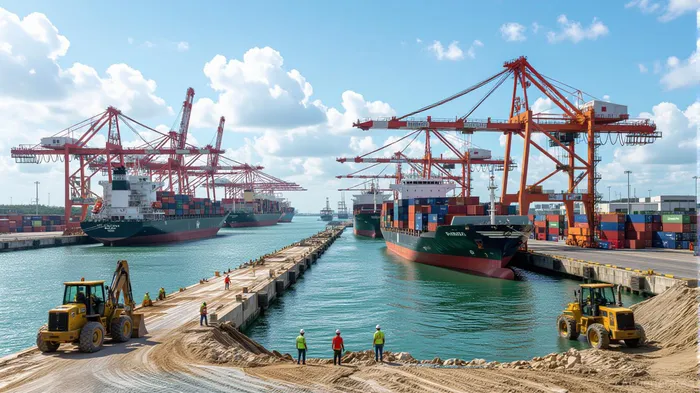
Brazil's port sector is undergoing a transformative shift, driven by strategic government-private partnerships (PPPs) that are redefining the country's logistics landscape. At the forefront of this movement is the R$199.7 million dredging expansion at Porto de Suape, a flagship project that exemplifies how infrastructure modernization is unlocking bottlenecks, boosting regional trade, and creating long-term value for stakeholders. For investors, this initiative—and the broader national strategy it represents—offers a compelling case for capitalizing on Brazil's evolving logistics ecosystem.
A Blueprint for Strategic Modernization
The Suape dredging project, funded by R$100 million from the federal PAC3 program and R$99.7 million in state resources, is deepening the port's internal channel to 16.2 meters and external channel to 20 meters. This enables the port to accommodate 366-meter container ships and Suezmax oil tankers, positioning Suape as the deepest draft public port for container ships in Brazil and the second-deepest for liquid bulk cargo. The project, executed by the Van Oord/Jan De Nul consortium, is not just a technical upgrade but a strategic lever to enhance Brazil's global trade competitiveness.
The economic implications are profound. By reducing shipping and transit costs by 15–20% and increasing cargo throughput, Suape is projected to generate R$23.66 billion in total investments by 2030, with over 40,000 direct and indirect jobs. For context, the port already hosts 83 companies, directly employing 20,000 people, and serves as a critical hub for the Abreu e Lima Refinery and liquid bulk terminals.
National Strategy: PPPs as Catalysts for Growth
Suape's transformation is part of a R$20 billion national PPP strategy in 2025, allocating funds across 55 port-related projects. These initiatives aim to integrate Brazil's ports with multimodal transport networks, including highway and rail upgrades like the Rota 2 de Julho and Rota dos Sertões corridors in Bahia. This integration is expected to reduce inland logistics costs and position Brazil as a key Atlantic trade corridor for South American and Caribbean markets.
The alignment with global green initiatives, such as the Green Ports Partnership with the Netherlands, further enhances the appeal of these projects. By promoting sustainable dredging practices and renewable energy integration, Brazil is attracting ESG-focused capital, a trend that could accelerate as global investors prioritize climate-conscious infrastructure.
Investment Implications: Logistics, Real Estate, and Industrial Sectors
The Suape project and its national counterparts create multi-sector opportunities for investors:
- Logistics and Transportation:
- Port operators and shipping companies benefit from reduced costs and increased throughput. For example, container shipping firms can leverage Suape's deep-water access to optimize transatlantic routes.
- Rail and highway operators stand to gain from expanded multimodal networks, such as the Rota 2 de Julho corridor, which connects inland production hubs to coastal ports.
Real Estate and Industrial Development:
- Proximity to Suape's industrial port complex, which already hosts 83 companies, is driving land value appreciation in Pernambuco. Industrial real estate developers and logistics park operators are well-positioned to capitalize on this demand.
The port's focus on value-added manufacturing (e.g., renewable energy, advanced materials) opens avenues for industrial investors seeking exposure to Brazil's diversifying economy.
Energy and Commodity Exports:
- The Abreu e Lima Refinery and liquid bulk terminals benefit from enhanced tanker access, boosting oil and gas logistics players.
- Brazil's agricultural and mineral exports could see a tailwind as Suape's capacity to handle large vessels reduces bottlenecks in the Northeast trade corridor.
Risks and Considerations
While the outlook is optimistic, investors must navigate regulatory uncertainty, environmental scrutiny, and global trade dynamics. For instance, U.S. tariff increases could dampen demand for Brazilian agricultural exports. However, the government's emphasis on sound governance and performance metrics—such as the Merchant Marine Fund—provides a buffer against these risks.
Conclusion: A Strategic Inflection Point
The Porto de Suape dredging project is more than a local infrastructure upgrade; it is a national and international investment that underscores Brazil's commitment to logistical efficiency, sustainable development, and economic resilience. For investors, the alignment of public funding, private expertise, and global trade trends creates a unique window to participate in a sector poised for long-term growth.
As Brazil's ports evolve into multimodal logistics hubs, the logistics, real estate, and industrial sectors are set to reap the rewards. The key for investors is to identify early-stage opportunities in companies and regions directly aligned with these strategic upgrades—before the market fully prices in the transformative potential of Brazil's infrastructure renaissance.

Delivering real-time insights and analysis on emerging financial trends and market movements.
Latest Articles
Stay ahead of the market.
Get curated U.S. market news, insights and key dates delivered to your inbox.


AInvest
PRO
AInvest
PRO



Comments
No comments yet