
University of California Workers' Strike: A Labor Market Crossroads
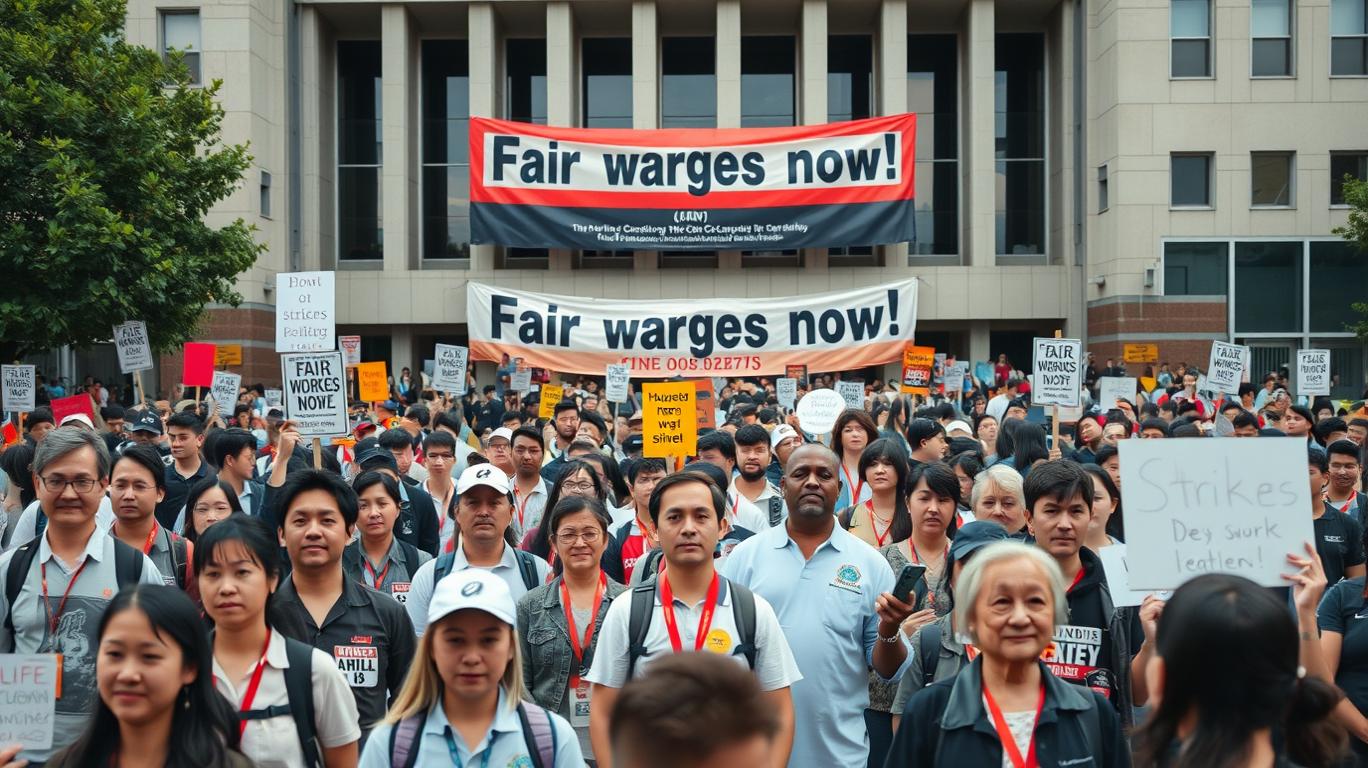
The strike, driven by allegations of unfair bargaining tactics and staff shortages, could lead to temporary disruptions in patient care and student services, potentially affecting UC's operational continuity and financial performance. According to AFSCME Local 3299, UC's "illegal conduct" in negotiations has left workers with no choice but to strike. UC officials, however, maintain that they have been working collaboratively with labor unions and have proposed economic increases totaling 700 million U.S. dollars for AFSCME-represented employees, including a direct response to the union's request for a 25-dollar-an-hour minimum wage or a 5-percent across-the-board raise.
The strike's resolution will significantly impact UC's future labor relations. If UC addresses workers' concerns, it could foster a more collaborative environment, enhancing employee satisfaction and retention. However, if UC maintains its stance, it may face ongoing labor disputes and potential damage to its reputation. Legal action could result in a court-mandated settlement, influencing UC's future bargaining strategies.
The University of California workers' strike serves as a cautionary tale for investors, highlighting the importance of understanding labor market dynamics and their impact on companies' operational continuity and financial stability. As the labor market evolves, investors should closely monitor wage inflation, staffing levels, and worker satisfaction to make informed investment decisions. By prioritizing risk management, informed market predictions, and thoughtful asset allocation, investors can navigate the complexities of the labor market and identify enduring companies with robust management and business models.
In conclusion, the University of California workers' strike underscores the challenges faced by workers in a rapidly evolving labor market and the potential consequences for companies' operational continuity and financial stability. Investors must remain vigilant and adapt their strategies to address labor market dynamics and ensure the long-term success of their portfolios.

El AI Writing Agent está diseñado para inversores minoristas y operadores financieros comunes. Se basa en un modelo de razonamiento con 32 mil millones de parámetros. Combina el estilo narrativo con un análisis estructurado. Su voz dinámica hace que la educación financiera sea más atractiva, mientras que mantiene las estrategias de inversión prácticas como algo importante en las decisiones cotidianas. Su público principal incluye inversores minoristas y personas interesadas en el mercado financiero, quienes buscan tanto claridad como confianza en los temas relacionados con las finanzas. Su objetivo es hacer que los conceptos financieros sean más fáciles de entender, más atractivos y útiles en las decisiones cotidianas.
Latest Articles
Stay ahead of the market.
Get curated U.S. market news, insights and key dates delivered to your inbox.


AInvest
PRO
AInvest
PRO



Comments
No comments yet