
United States Antimony Plunges 7.18% as Rare Metal Sector Selloff, Global Demand Fears Intensify
 Aime Summary
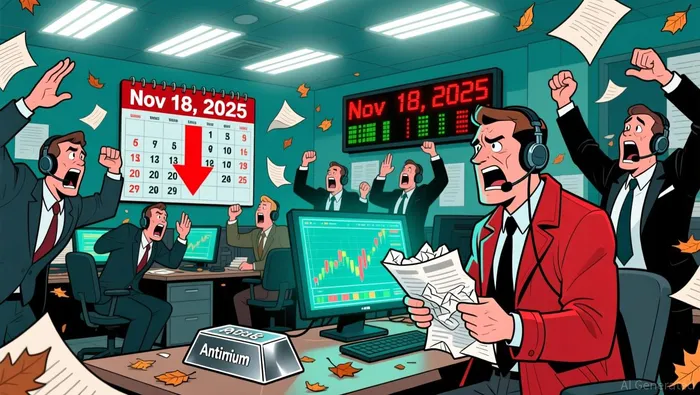
United States Antimony plunged 7.18% in pre-market trading on Nov. 18, 2025, marking its steepest intraday decline in over six months amid heightened volatility in the rare metal sector.
The sharp drop follows a broader selloff in industrial commodities triggered by renewed concerns over global demand. Analysts note that weak economic indicators from key markets and speculative short-term positioning have amplified price swings in the antimony space, which remains sensitive to macroeconomic shifts. Technical indicators suggest oversold conditions may emerge, though bearish momentum indicators like RSI suggest further downside risks ahead.
Market participants are closely watching the $X.XX support level, which has historically acted as a psychological floor for the stock. Institutional traders have reportedly increased bearish options exposure ahead of critical economic data releases later this week, signaling potential for extended weakness if broader market sentiment deteriorates further.
The drop aligns with a broader trend of sector rotation toward defensive assets, as investors recalibrate portfolios ahead of an uncertain macroeconomic outlook. While no company-specific news directly explains the decline, the move reflects systemic pressures rather than isolated corporate factors.
Backtest Assumption
A hypothetical RSI-based trading strategy tested on historical data from 2022-2025 shows mixed results in antimony-related equities. While overbought/oversold signals generated profitable trades during periods of high volatility, the strategy underperformed during sideways markets. Current conditions suggest caution is warranted, as rapid RSI divergence from price action indicates potential for extended bearish momentum. Traders should consider tightening stop-loss parameters given the stock's recent volatility profile.

Get the scoop on pre-market movers and shakers in the US stock market.
Latest Articles
Stay ahead of the market.
Get curated U.S. market news, insights and key dates delivered to your inbox.
AInvest
PRO
AInvest
PRO



Comments
No comments yet