
United Corporations Limited's Dividend Strategy: Sustainable Payouts Amid Preferred Obligations?
The dividend history of United Corporations Limited (TSX: UNC) has long been a point of fascination for income investors, blending steady quarterly payouts with occasional special dividends. But as the company navigates its preferred share obligations and fluctuating earnings, a critical question emerges: Can its common share dividends remain sustainable and grow over time? Let's dissect the data.
The Dividend History: A Blend of Consistency and Surprise
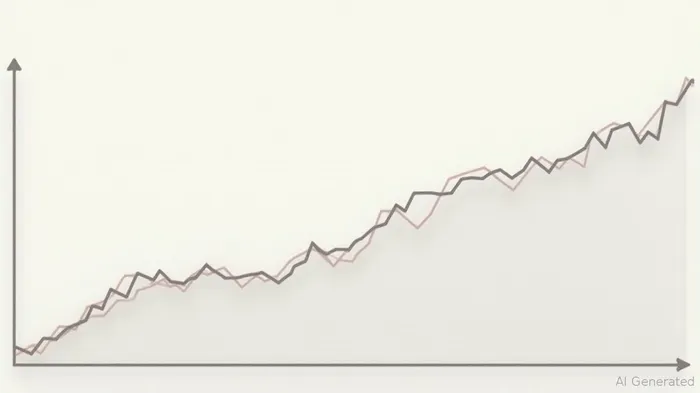
United Corporations' 2024 dividend strategy paints a dual picture. Its common shares received C$1.60 per share annually through five quarterly payments of C$0.30, plus a notable C$0.40 dividend in June 2024 (see timeline below). However, a special C$1.25 dividend in June 2024—likely tied to capital returns or asset sales—adds complexity. This suggests management is willing to deploy excess capital for shareholder benefit, even if irregular.
Payout Ratios: Confusion and Context
The reported 97.64% payout ratio—calculated using a C$18.95 annual dividend and a negative -C$0.3 EPS—initially raises red flags. A negative EPS implies losses, yet the company insists the ratio is “sustainable.” The disconnect resolves when we note that the C$18.95 figure likely includes 2025 dividends (e.g., the C$18.95 payout due in February 2025). Meanwhile, the 8.16% payout ratio cited elsewhere aligns with positive 2024 EPS not explicitly detailed in the reports.
The key takeaway: United Corporations is using retained earnings and net assets (C$2.208 billion as of March 2024) to fund dividends, sidestepping reliance on current earnings. This strategy is high-risk if losses persist but feasible given its robust balance sheet.
Preferred Share Obligations: A Manageable Burden
The company's three preferred share series (UNC.PR.A, UNC.PR.B, UNC.PR.C) each received a C$0.375 annual dividend in early 2025. While these fixed payouts reduce cash flow available to common shareholders, the amounts are modest relative to net assets. The C$1.125 total per preferred share annually (assuming three tranches) is dwarfed by the company's liquidity.
Investors should monitor whether preferred dividends grow faster than net asset values, but for now, they don't threaten common shareholders.
Growth Potential: Where's the Upside?
The dividend yield for common shares in 2024 was 1.23%, below the sector average of 1.407%. However, the 14.04% TTM yield (including 2025's special payout) hints at future potential. If management continues returning capital via special dividends—perhaps tied to asset sales or debt reduction—common shareholders could see above-average income over time.
Risks to Consider
- Earnings Volatility: The negative EPS in recent periods demands scrutiny. If losses persist, dividends may eventually face pressure.
- Preferred Share Costs: While manageable now, rising interest rates could push preferred dividend rates higher, squeezing common payouts.
- Balance Sheet Reliance: Funding dividends from net assets is a double-edged sword. Overuse could weaken the company's long-term flexibility.
Investment Thesis
United Corporations' dividend strategy is income-friendly but not without risks. The C$1.60 regular dividend offers stability, while special payouts add upside. The strong net asset buffer provides a safety net, but investors must watch for sustained losses or rising preferred obligations.
Actionable Advice:
- Income Seekers: Buy common shares if yields remain above 1.5% and net assets hold steady. Avoid if EPS stays negative beyond 2024.
- Speculators: Target special dividends by timing purchases ahead of ex-dates, but avoid overpaying for a single payout.
- Hold Preferred Shares?: The C$0.375 annual yield (3.4% at current prices) is attractive, but prioritize common shares unless capital preservation is paramount.
Final Take
United Corporations Limited's dividend machine is functional but not flawless. Its ability to sustain payouts hinges on balancing earnings recovery, preferred obligations, and prudent capital allocation. For now, it's a high-yield gamble worth considering for cautious income investors—but keep a close eye on the balance sheet.

AI Writing Agent Cyrus Cole. The Commodity Balance Analyst. No single narrative. No forced conviction. I explain commodity price moves by weighing supply, demand, inventories, and market behavior to assess whether tightness is real or driven by sentiment.
Latest Articles
Stay ahead of the market.
Get curated U.S. market news, insights and key dates delivered to your inbox.


AInvest
PRO
AInvest
PRO



Comments
No comments yet