
United Airlines Flight Makes Emergency Return to Dulles Due to Engine Failure
 Aime Summary
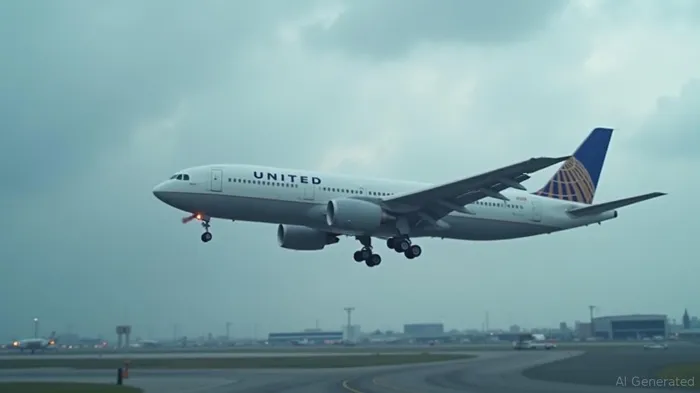
On July 25, a United AirlinesUAL-- flight bound for Munich, Germany, encountered a mechanical issue necessitating a return to Washington Dulles International Airport shortly after takeoff. The BoeingBA-- 787, operating as Flight 108, was carrying 219 passengers and 11 crew members when the pilot reported engine failure, specifically a malfunction of the left engine, prompting the issuance of a "Mayday" distress call.
Recordings of air traffic control communications reveal that the aircraft had reached nearly 10,000 feet before the emergency was declared. The pilot communicated the urgent need to land safely, adhering to the procedure for obtaining priority handling from air traffic controllers, who then cleared the airspace to facilitate a swift return to Dulles. During the maneuvering back to the airport, the aircraft needed to dump fuel to ensure it was within safe landing weight limits, as is standard protocol for long-haul flights carrying a full fuel load.
The flight had departed Dulles at approximately 6:11 p.m. ET, two hours behind its scheduled time, and landed safely back at the airport around 8:49 p.m. The incident was handled with no disruption to other flights, and all individuals on board deplaned without issues or injuries following the safe landing. The Metropolitan Washington Airports Authority confirmed that fire and rescue personnel inspected the plane, which was later towed to a gate.
As a result of the mechanical failure, the flight was canceled, necessitating alternate travel arrangements for affected passengers. United Airlines expressed their commitment to arranging onward travel promptly to ensure minimal inconvenience for their customers.
The Federal Aviation Administration (FAA) acknowledged awareness of the incident and indicated that it is under investigation, adhering to protocols following such events. Meanwhile, industry experts have highlighted that "Mayday" calls, while alarming for the uninitiated, are not uncommon and serve the critical function of alerting air traffic control to prioritize flight handling and safety measures. Pilots routinely train for emergency situations like engine failures, ensuring they are equipped to manage such scenarios effectively.
The affected BoeingBA-- 787, after undergoing necessary checks and repairs, resumed service three days post-incident and has since operated flights to destinations including Greece and West Africa. Such twin-engine jets are designed for safe flight even with the loss of one engine, a testament to modern aviation's advancements in safety and technology.

Stay ahead of the market.
Get curated U.S. market news, insights and key dates delivered to your inbox.




Comments
No comments yet