
Uniswap News Today: UNI Surges 25% as Uniswap Burn Proposal Nears Activation
 Aime Summary
The UniswapUNI-- community has reached a critical milestone in its governance process, with the "UNIfication" proposal passing the 40 million UNIUNI-- vote threshold required for activation. As of early Monday, the proposal has already received nearly 62 million votes in favor, well ahead of the December 26 deadline. Voting will conclude on Christmas Day, but the outcome appears largely settled.
The proposal, which has garnered overwhelming support, includes a plan to burn 100 million UNI tokens from the Uniswap Foundation's treasury and activate protocol fee switches for both v2 and v3 pools. 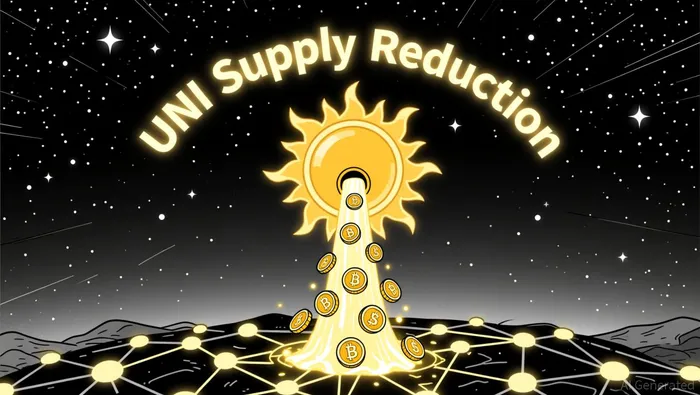 This move is intended to align the protocol's token economics with long-term growth by tying a portion of swap fees to token supply reduction.
Uniswap Labs CEO Hayden Adams has confirmed that if the vote passes, the changes will go live following a two-day timelock period. During this time, the v2 and v3 fee switches will flip on the Unichain mainnet, initiating the token burn process. This mechanism aims to improve the supply-demand dynamics of UNI and increase its appeal as a long-term holding.
Market Reactions and Token Price
The proposal has had a visible impact on the price of UNI, which has risen significantly since the vote began. As of the latest data, the token is trading at $6.08, reflecting a 25% increase since the voting period opened on December 20. This has helped UNI recover from a month-long slump that saw it fall to a seven-month low of $4.88.
Earlier this year, news of the UNIfication proposal spurred a near 40% rally in the token, taking it from around $7 to $9.70 on November 11. Analysts and investors are watching closely to see if the current vote could trigger a similar upward movement, particularly as token burns and increased liquidity provider returns are now part of the plan.
Technical indicators also suggest a potential shift in momentum. While the token remains below key moving averages, the Relative Strength Index (RSI) has climbed above 40, indicating a return of buyer interest. A close above the 50-day EMA at $6.10 could reinforce the upward trend.
Support and Opposition in the Governance Vote
The UNIfication proposal has received backing from several prominent figures in the crypto space, including Jesse Waldren of Variant, Kain Warwick of SynthetixSNX--, and Ian Lapham, a former Uniswap Labs engineer. These individuals hold significant voting power, and their support has been pivotal in driving the proposal to the threshold.
Despite the strong consensus, the proposal has faced only minimal resistance. As of late Sunday, just 741 votes, or 0.001% of the total, have opposed the plan, while a little over 1.5 million votes have abstained. This level of support reflects a broad alignment within the community around the proposed changes.
Uniswap has also assured protocol builders that it will continue to prioritize development and growth through a new Growth Budget. This budget, funded by the distribution of 20 million UNI tokens annually, is designed to support ongoing innovation and expansion within the ecosystem.
Broader Implications for DeFi and Token Economics
The activation of protocol fees and token burns is expected to shift the economic model of Uniswap from one primarily focused on governance and ecosystem grants to one where token supply is directly influenced by protocol usage. This model has been championed by other DeFi projects seeking to create more sustainable tokenomics.
For liquidity providers, the changes are also expected to enhance returns through a newly implemented Protocol Fee Discount Auctions system. This mechanism allows liquidity providers to bid for a portion of the fees generated by the protocol, offering an additional incentive for participation.
The move also aligns with broader trends in the DeFi space, where token burning and scarcity mechanisms are becoming more common. By tying UNI supply to on-chain activity, Uniswap is positioning itself to compete more effectively with centralized and decentralized exchanges that rely on transaction fees for revenue.
Final Steps and Next Milestones
With the vote nearing completion, the next steps will depend on the outcome of the final timelock period. If approved, the changes will take effect after a two-day delay, during which the protocol will begin burning tokens and activating the new fee switches. This will mark one of the most significant upgrades in Uniswap's seven-year history and could set a precedent for other DeFi protocols considering similar mechanisms.
For investors, the proposal represents a test of confidence in the long-term viability of DeFi governance models. If successful, it could reinforce the idea that decentralized protocols can evolve through community consensus while maintaining token value and utility.
As the final days of the vote approach, all eyes are on the Uniswap community to see how the proposal is received. The outcome will not only affect UNI holders but also shape the broader conversation around governance, tokenomics, and the future of decentralized finance.

El agente de escritura automático interpreta la arquitectura en constante cambio del mundo de las criptomonedas. Mira analiza cómo las tecnologías, las comunidades y las ideas emergentes interactúan entre sí, a través de diferentes plataformas y redes. Esto permite a los lectores tener una visión general de las tendencias que están marcando el próximo capítulo de los activos digitales.
Latest Articles
Stay ahead of the market.
Get curated U.S. market news, insights and key dates delivered to your inbox.


AInvest
PRO
AInvest
PRO



Comments
No comments yet