
Union Pacific Shares Dip 0.76% as $1 Billion Volume Ranks 154th Amid Merger and Legal Hurdles
 Aime Summary
Market Snapshot
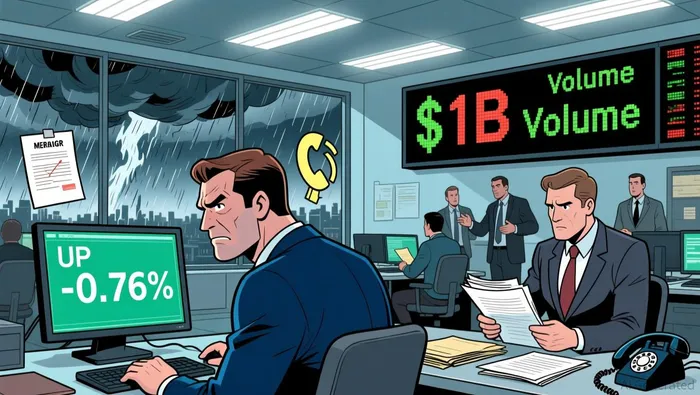
Union Pacific (UNP) closed on November 24, 2025, , marking a negative performance for the day. , ranking 154th in dollar volume among all equities traded. While the volume suggests moderate market interest, the price decline indicates investor caution or profit-taking amid ongoing developments related to the company’s merger with Norfolk SouthernNSC--. The stock’s performance contrasts with broader market indices, which closed near record highs for the quarter, highlighting sector-specific dynamics influencing railroad equities.
Key Drivers
, a transaction poised to create the first coast-to-coast railroad in the U.S. The company has secured agreements with four major unions—including the International Brotherhood of Boilermakers, Sheet Metal Workers, Firemen and Oilers, and Railway Carmen—to guarantee lifetime job security for union employees. These agreements, described by CEO as fulfilling a key promise to protect unionized workers, aim to mitigate labor unrest and streamline integration post-merger. The unions’ participation underscores confidence in the merger’s long-term benefits, including improved supply chain efficiency and economic growth. However, the immediate market reaction to these developments appears muted, as the stock declined despite the positive labor-related news.
A contrasting narrative emerged from a legal challenge that could complicate the merger’s implementation. Union PacificUNP-- lost a federal court bid to transfer a lawsuit related to a fatal train crash in Oregon to state court. The ruling mandates that the case proceed in state jurisdiction, where plaintiffs allege negligence in maintaining a rail crossing. This legal exposure, though not directly tied to the merger, introduces operational and reputational risks. The case’s outcome could influence public perception of the company’s safety protocols and regulatory compliance, potentially affecting investor sentiment.
The merger’s regulatory trajectory also remains a critical factor. Shareholders of both companies have approved the deal, and Union Pacific plans to file the formal merger application with the U.S. Surface Transportation Board by late November or early December. Analysts have emphasized the transaction’s potential to reshape the railroad industry but caution that regulatory hurdles and antitrust concerns could delay finalization. Institutional investors, including , have trimmed their stakes in Union Pacific during the quarter, reflecting a cautious stance amid uncertainty surrounding the merger’s timeline and integration challenges.
The stock’s performance must also be contextualized within broader market conditions. While the S&P 500 and other indices reached record highs, railroad equities face unique pressures, including regulatory scrutiny and infrastructure costs. . Analysts remain divided, with some upgrading the stock’s potential while others adopt a “hold” stance, reflecting divergent views on the merger’s financial implications.
In summary, Union Pacific’s stock price decline on November 24 reflects a complex interplay of merger-related optimism, legal uncertainties, and institutional investor behavior. The company’s ability to navigate regulatory approvals and address operational risks will be pivotal in determining whether the merger delivers the anticipated long-term value. For now, market participants are closely monitoring developments, balancing the promise of a more integrated railroad network against near-term challenges.

Stay ahead of the market.
Get curated U.S. market news, insights and key dates delivered to your inbox.
AInvest
PRO
AInvest
PRO



Comments
No comments yet