
Union Pacific's $85 Billion Merger with Norfolk Southern to Revolutionize U.S. Freight Rail
 Aime Summary
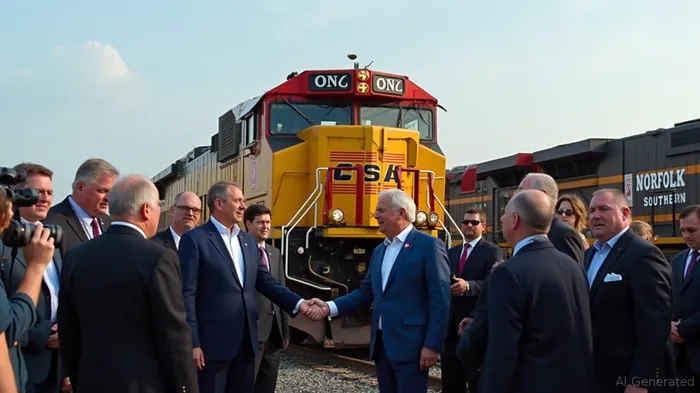
Union Pacific has revealed its intention to merge with Norfolk SouthernNSC-- in an agreement valued at $85 billion, setting the stage for the creation of America's first transcontinental freight railroad. This strategic move is poised to significantly impact the U.S. supply chain by linking Union Pacific's extensive western network with Norfolk Southern’s operations in the East. This coast-to-coast railroad aims to streamline the transport of raw materials and goods, potentially triggering a final wave of rail mergers across the country.
This transformative transaction would unite two of the largest U.S. railroads and deliver substantial value to shareholders. The merger, combining stock with a significant cash incentive, hinges on regulatory approval and will face rigorous scrutiny under the Surface Transportation Board's high merger standards. Analysts predict other major railroads such as Burlington Northern Santa Fe and CSXCSX-- might be compelled to consider merging to remain competitive.
Union Pacific CEO Jim Vena emphasized the strategic advantages of this merger, including improved shipping efficiency and a broader reach across North America. Seamless service across the expanded network could eliminate the need to interchange freight trains midway through journeys, leading to more efficient and potentially less costly logistics solutions for shippers. From a geographic standpoint, the new system would connect a vast number of ports and communities, providing a strong logistical framework for U.S. manufacturing and commerce.
Both companies will work to preserve job opportunities for union employees, ensuring that the workforce benefits from the combined entity's extended capabilities. The integration is expected to unleash annualized synergies worth an estimated $2.75 billion by optimizing routes and increasing the efficiency of transportation services.
As railroads continue to play an instrumental role in the U.S. economy, transporting nearly a third of the nation’s freight, the implications of this merger are vast. Improved efficiencies promise enhancements for U.S. manufacturing by increasing connectivity and potentially offering cost advantages over other freight options such as trucking. However, the merger's impact on competition and shipping rates has raised concerns about service woes, commonly associated with past railroad consolidations.
The deal is expected to achieve regulatory milestones by early 2027, assuming antitrust regulators give their green light. It will not only test their willingness but also their scrutiny given past rail merger challenges. The anticipated completion of this deal will create a rail behemoth with extensive routing miles, personnel, and resources, amplifying North America's competitive position in global logistics.
In summary, the combination of Union PacificUNP-- and Norfolk Southern proposes an unprecedented scale in the provision of freight service nationwide. If successful, this integration could reshape supply chains, boost rail's competitiveness with other transport modes, and unlock new efficiencies crucial for supporting the American economy. Nevertheless, the deal's success will ultimately hinge on navigating the rigorous regulatory landscape designed to ensure fair competition and service reliability.

Stay ahead of the market.
Get curated U.S. market news, insights and key dates delivered to your inbox.
AInvest
PRO
AInvest
PRO



Comments
No comments yet