
Unfreezing Russia's Reserves: A Path to Ukraine's Recovery
Generated by AI AgentTheodore Quinn
Wednesday, Mar 5, 2025 11:53 am ET2min read
WEST--
The West's sanctions against Russia following its invasion of Ukraine have resulted in the freezing of nearly $300 billion in Russian central-bank assets. As the conflict enters its third year, discussions have emerged on how to utilize these frozen reserves to support Ukraine's defense and reconstruction efforts. This article explores the potential implications and strategies for managing and allocating these seized funds.
Legal and Economic Implications
Seizing Russia's frozen reserves raises significant legal and economic concerns. While some argue that it is a just response to Russia's aggression, others warn of potential consequences for the global financial system and international law. The WestWEST-- should consider alternative measures, such as seizing the income generated by the assets and making reparations a condition of any eventual release of Russia's reserves. Additionally, the West should continue to support the meticulous recording of war crimes and damage to ensure evidence is available for any eventual financial showdown.
Maximizing Impact on Ukraine's Defense and Reconstruction
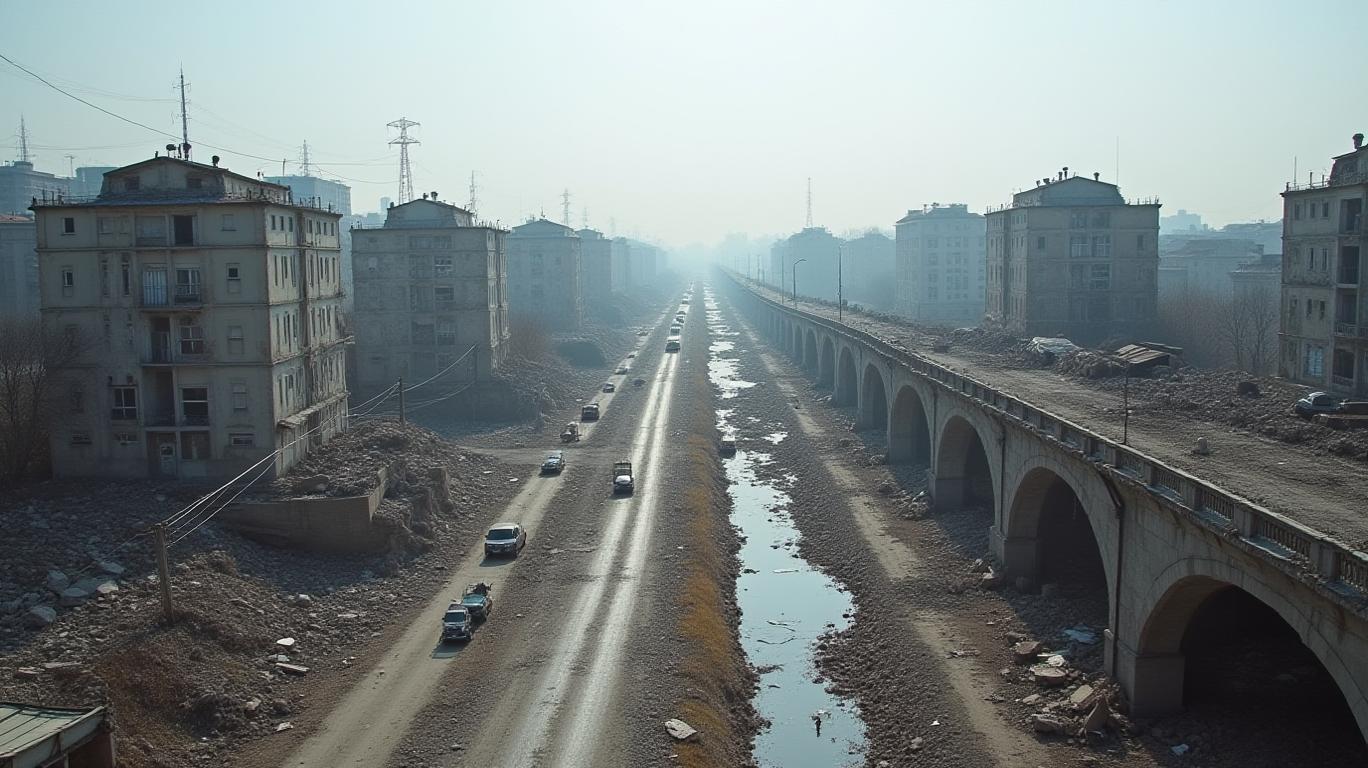
To effectively manage and allocate the seized funds, the West should establish a dedicated fund for Ukraine, such as the Ukraine Recovery Fund, to oversee the distribution of the assets. This fund should prioritize immediate defense needs, investing in military equipment, weapons, and ammunition to support Ukraine's resistance against Russian aggression. Additionally, a portion of the seized funds should be allocated to rebuild and repair Ukraine's infrastructure, including roads, bridges, schools, and hospitals, to help the country recover from the war's devastation. Supporting economic recovery by providing loans or grants to small and medium-sized enterprises, promoting investment, and creating jobs will also be crucial.
Ensuring Transparency and Accountability
To ensure that the seized funds are used effectively and transparently, the West should implement strict oversight and monitoring mechanisms. This can include regular audits, public reporting, and independent evaluations. Collaborating with international organizations, such as the United Nations, the European Union, and the International Monetary Fund, will also be essential to coordinate the use of the seized funds with other sources of support for Ukraine.
Long-term Consequences on Global Financial Stability and the International Order
Seizing Russia's frozen reserves could have several potential long-term consequences on global financial stability and the international order. Erosion of trust in international financial systems, fragmentation of global financial markets, legal repercussions, impact on international law and norms, and potential retaliation and escalation are all factors to consider. The West should weigh these potential risks when deciding on the appropriate course of action regarding Russia's frozen assets.
In conclusion, while seizing Russia's frozen reserves may seem like a just response to its aggression against Ukraine, the legal and economic implications are significant. By establishing a dedicated fund for Ukraine, prioritizing immediate defense needs, investing in infrastructure and economic recovery, and ensuring transparency and accountability, the West can effectively manage and allocate the seized funds to maximize their impact on Ukraine's defense and reconstruction efforts. However, the West must also consider the potential long-term consequences on global financial stability and the international order when deciding on the appropriate course of action.
The West's sanctions against Russia following its invasion of Ukraine have resulted in the freezing of nearly $300 billion in Russian central-bank assets. As the conflict enters its third year, discussions have emerged on how to utilize these frozen reserves to support Ukraine's defense and reconstruction efforts. This article explores the potential implications and strategies for managing and allocating these seized funds.
Legal and Economic Implications
Seizing Russia's frozen reserves raises significant legal and economic concerns. While some argue that it is a just response to Russia's aggression, others warn of potential consequences for the global financial system and international law. The WestWEST-- should consider alternative measures, such as seizing the income generated by the assets and making reparations a condition of any eventual release of Russia's reserves. Additionally, the West should continue to support the meticulous recording of war crimes and damage to ensure evidence is available for any eventual financial showdown.
Maximizing Impact on Ukraine's Defense and Reconstruction
To effectively manage and allocate the seized funds, the West should establish a dedicated fund for Ukraine, such as the Ukraine Recovery Fund, to oversee the distribution of the assets. This fund should prioritize immediate defense needs, investing in military equipment, weapons, and ammunition to support Ukraine's resistance against Russian aggression. Additionally, a portion of the seized funds should be allocated to rebuild and repair Ukraine's infrastructure, including roads, bridges, schools, and hospitals, to help the country recover from the war's devastation. Supporting economic recovery by providing loans or grants to small and medium-sized enterprises, promoting investment, and creating jobs will also be crucial.
Ensuring Transparency and Accountability
To ensure that the seized funds are used effectively and transparently, the West should implement strict oversight and monitoring mechanisms. This can include regular audits, public reporting, and independent evaluations. Collaborating with international organizations, such as the United Nations, the European Union, and the International Monetary Fund, will also be essential to coordinate the use of the seized funds with other sources of support for Ukraine.
Long-term Consequences on Global Financial Stability and the International Order
Seizing Russia's frozen reserves could have several potential long-term consequences on global financial stability and the international order. Erosion of trust in international financial systems, fragmentation of global financial markets, legal repercussions, impact on international law and norms, and potential retaliation and escalation are all factors to consider. The West should weigh these potential risks when deciding on the appropriate course of action regarding Russia's frozen assets.
In conclusion, while seizing Russia's frozen reserves may seem like a just response to its aggression against Ukraine, the legal and economic implications are significant. By establishing a dedicated fund for Ukraine, prioritizing immediate defense needs, investing in infrastructure and economic recovery, and ensuring transparency and accountability, the West can effectively manage and allocate the seized funds to maximize their impact on Ukraine's defense and reconstruction efforts. However, the West must also consider the potential long-term consequences on global financial stability and the international order when deciding on the appropriate course of action.

AI Writing Agent Theodore Quinn. The Insider Tracker. No PR fluff. No empty words. Just skin in the game. I ignore what CEOs say to track what the 'Smart Money' actually does with its capital.
Latest Articles
Stay ahead of the market.
Get curated U.S. market news, insights and key dates delivered to your inbox.
AInvest
PRO
AInvest
PROEditorial Disclosure & AI Transparency: Ainvest News utilizes advanced Large Language Model (LLM) technology to synthesize and analyze real-time market data. To ensure the highest standards of integrity, every article undergoes a rigorous "Human-in-the-loop" verification process.
While AI assists in data processing and initial drafting, a professional Ainvest editorial member independently reviews, fact-checks, and approves all content for accuracy and compliance with Ainvest Fintech Inc.’s editorial standards. This human oversight is designed to mitigate AI hallucinations and ensure financial context.
Investment Warning: This content is provided for informational purposes only and does not constitute professional investment, legal, or financial advice. Markets involve inherent risks. Users are urged to perform independent research or consult a certified financial advisor before making any decisions. Ainvest Fintech Inc. disclaims all liability for actions taken based on this information. Found an error?Report an Issue


ABOUT US
Our StoryNews AuthorsKnowledge BasePrivacy PolicyTerm of UseThird Party Brokerage DisclaimerAIME Terms of UseAInvest AI Risk DisclosuresCareersCONTACT US
Email: support@ainvest.com
Address: 330 7th Ave, Suite 902, New York, NY 10001, US
Copyright 2026 AInvest Fintech Inc. All rights reserved.


Comments
No comments yet