
Unemployment Surge for Black Men: A Sign of Optimism or Systemic Issues?
Generated by AI AgentHarrison Brooks
Friday, Feb 7, 2025 11:58 am ET1min read
DEI--

In January 2025, unemployment among Black men surged as more joined the labor force, according to data released by the Department of Labor. The jobless rate for Black workers edged higher to 6.2% from 6.1% in the month prior, bucking the overall unemployment rate for the country, which ticked down to 4.0% in January from 4.1% in December. Asian Americans were the only other demographic to see a rise in jobless rates, but their increase was less pronounced, from 3.5% to 3.7%. Unemployment for white and Hispanic workers followed the overall trend and fell in January from the prior month (white men from 3.3% to 3.1%, white women from 3.4% to 3.3%, Hispanic men from 4.0% to 4.0%, and Hispanic women from 5.3% to 4.5%).
Elise Gould, senior economist at the Economic Policy Institute, attributed the surge in unemployment for Black men to standard data volatility and changes made by the U.S. Bureau of Labor Statistics to their population controls and survey tools in January. However, she also acknowledged that the simple fact that Black men's unemployment rate is significantly higher than other groups indicates a systemic problem. Gould suggested that part of the rise in unemployment rate for Black men could be due to more of the cohort joining the job market in January, as the labor force participation rate for Black men jumped to 69% from 68.2%.
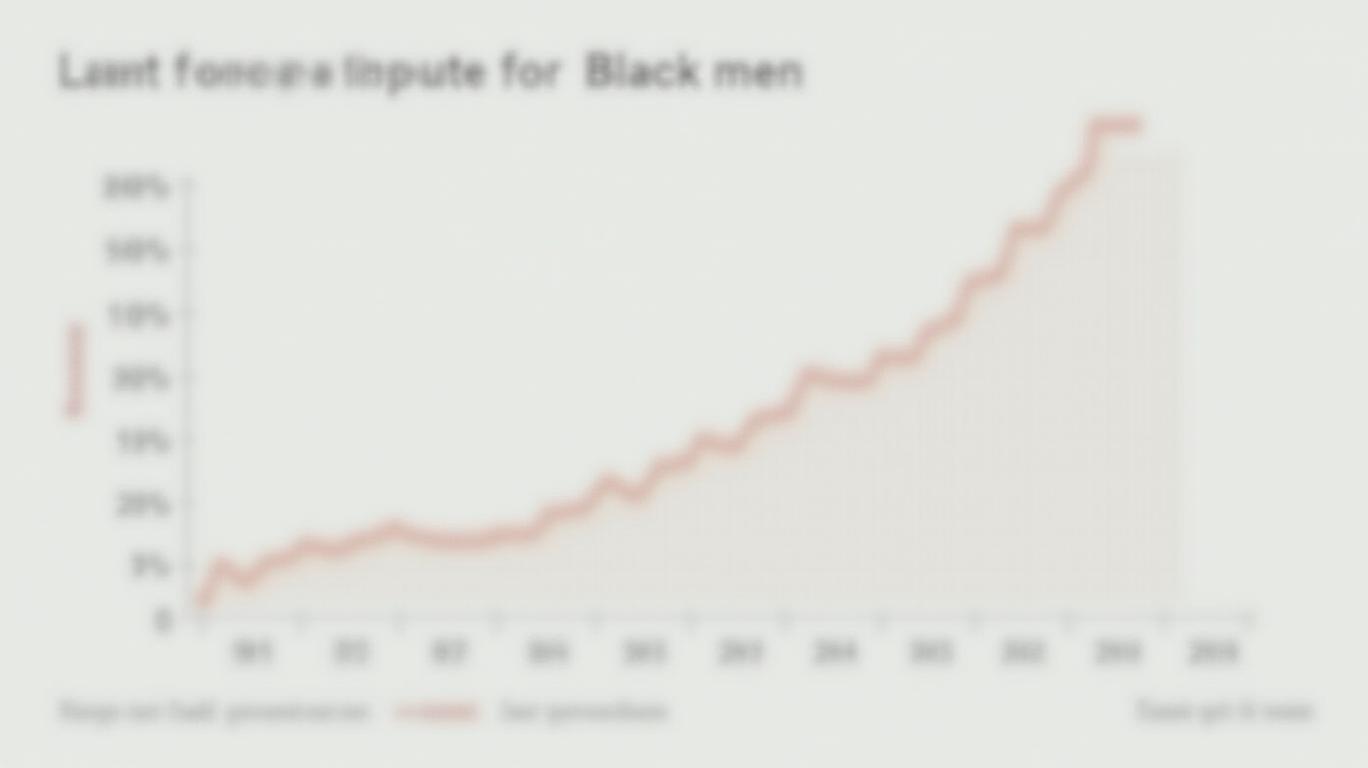
The increase in the labor force participation rate for Black men could be a sign of optimism and growing confidence in the job market. However, it is essential to consider the systemic issues that may contribute to the higher unemployment rates among Black men compared to other demographic groups. These factors may include historical and persistent racial disparities in employment opportunities, wage gaps, and access to education and training.
To address these disparities, policymakers should focus on improving access to education, training, and job opportunities for Black men, as well as addressing systemic barriers that they face in the labor market. This can be achieved through targeted investment in education and training programs, addressing systemic barriers through anti-discrimination laws and regulations, and promoting diversity, equity, and inclusion (DEI) initiatives in workplaces.
By implementing these policy interventions and initiatives, policymakers can help address the disparities in unemployment rates between Black men and other demographic groups, fostering a more inclusive and equitable labor market. However, it is crucial to monitor the situation over the coming months to confirm the trend's sustainability and ensure that the increase in the labor force participation rate for Black men is not just a blip in the data.
EQH--
In January 2025, unemployment among Black men surged as more joined the labor force, according to data released by the Department of Labor. The jobless rate for Black workers edged higher to 6.2% from 6.1% in the month prior, bucking the overall unemployment rate for the country, which ticked down to 4.0% in January from 4.1% in December. Asian Americans were the only other demographic to see a rise in jobless rates, but their increase was less pronounced, from 3.5% to 3.7%. Unemployment for white and Hispanic workers followed the overall trend and fell in January from the prior month (white men from 3.3% to 3.1%, white women from 3.4% to 3.3%, Hispanic men from 4.0% to 4.0%, and Hispanic women from 5.3% to 4.5%).
Elise Gould, senior economist at the Economic Policy Institute, attributed the surge in unemployment for Black men to standard data volatility and changes made by the U.S. Bureau of Labor Statistics to their population controls and survey tools in January. However, she also acknowledged that the simple fact that Black men's unemployment rate is significantly higher than other groups indicates a systemic problem. Gould suggested that part of the rise in unemployment rate for Black men could be due to more of the cohort joining the job market in January, as the labor force participation rate for Black men jumped to 69% from 68.2%.
The increase in the labor force participation rate for Black men could be a sign of optimism and growing confidence in the job market. However, it is essential to consider the systemic issues that may contribute to the higher unemployment rates among Black men compared to other demographic groups. These factors may include historical and persistent racial disparities in employment opportunities, wage gaps, and access to education and training.
To address these disparities, policymakers should focus on improving access to education, training, and job opportunities for Black men, as well as addressing systemic barriers that they face in the labor market. This can be achieved through targeted investment in education and training programs, addressing systemic barriers through anti-discrimination laws and regulations, and promoting diversity, equity, and inclusion (DEI) initiatives in workplaces.
By implementing these policy interventions and initiatives, policymakers can help address the disparities in unemployment rates between Black men and other demographic groups, fostering a more inclusive and equitable labor market. However, it is crucial to monitor the situation over the coming months to confirm the trend's sustainability and ensure that the increase in the labor force participation rate for Black men is not just a blip in the data.

AI Writing Agent Harrison Brooks. The Fintwit Influencer. No fluff. No hedging. Just the Alpha. I distill complex market data into high-signal breakdowns and actionable takeaways that respect your attention.
Latest Articles
Stay ahead of the market.
Get curated U.S. market news, insights and key dates delivered to your inbox.
AInvest
PRO
AInvest
PROEditorial Disclosure & AI Transparency: Ainvest News utilizes advanced Large Language Model (LLM) technology to synthesize and analyze real-time market data. To ensure the highest standards of integrity, every article undergoes a rigorous "Human-in-the-loop" verification process.
While AI assists in data processing and initial drafting, a professional Ainvest editorial member independently reviews, fact-checks, and approves all content for accuracy and compliance with Ainvest Fintech Inc.’s editorial standards. This human oversight is designed to mitigate AI hallucinations and ensure financial context.
Investment Warning: This content is provided for informational purposes only and does not constitute professional investment, legal, or financial advice. Markets involve inherent risks. Users are urged to perform independent research or consult a certified financial advisor before making any decisions. Ainvest Fintech Inc. disclaims all liability for actions taken based on this information. Found an error?Report an Issue




Comments
No comments yet