
Understanding Supply Chain Vulnerabilities in Import-Dependent Economies
 Aime Summary
In today’s globalized economy, no country is an island — especially when it comes to trade. Many economies rely heavily on imports for critical goods such as raw materials, electronics, and even food. While this interdependence can bring efficiency and cost savings, it also makes these economies vulnerable to supply chain disruptions. Understanding this vulnerability is key for investors, as it can significantly impact stock prices, market sentiment, and overall economic performance.
What Are Supply Chain Vulnerabilities?
A supply chain is the network of organizations, people, activities, and resources involved in producing and delivering a product or service. A supply chain vulnerability refers to any point in that network that is at risk of failure, leading to delays, increased costs, or even a complete halt in the flow of goods.
For import-dependent economies, these vulnerabilities can arise from various sources: - Geopolitical tensions: Trade wars or sanctions can block the flow of goods. - Natural disasters: Earthquakes, hurricanes, or pandemics can disrupt production and transportation. - Transportation bottlenecks: Port closures or shipping delays can hold up goods. - Single-source dependencies: Relying too heavily on one supplier or country increases risk.
How This Affects the Stock Market
When a supply chain disruption occurs, it often sends ripples through the stock market. For example, if a key supplier of semiconductors faces production delays, companies that depend on those chips — such as automotive or tech manufacturers — may experience reduced output and profit warnings, causing their stock prices to fall.
Investors must also consider broader economic impacts. Countries that are highly dependent on imports may see inflation rise due to supply shortages or higher shipping costs. This can lead to higher interest rates, which can further impact stock valuations.
Real-Life Example: The 2021 Chip Shortage
In 2021, the global semiconductor shortage — caused by a combination of pandemic-related factory shutdowns, surging demand for electronics, and geopolitical issues — highlighted the vulnerability of import-dependent economies. Countries like the U.S., Germany, and Japan, which rely heavily on imported chips, saw significant disruptions in the automotive and tech sectors.
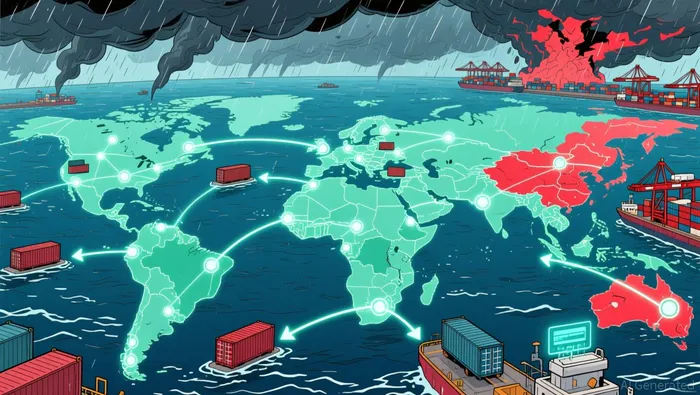
Companies such as Ford and General Motors were forced to idle production lines, leading to stock price declines. Meanwhile, chip manufacturers such as IntelINTC-- and TSMCTSM-- saw increased demand and higher valuations, illustrating how different players in the supply chain can be affected in varying ways.
Strategies for Investors
- Diversify supply chains: Invest in or support companies that are building resilient supply chains by diversifying suppliers or sourcing locally when possible.
- Monitor global events: Keep an eye on geopolitical developments, weather patterns, and economic indicators that may signal potential disruptions.
- Sector rotation: Shift investments between sectors based on supply chain trends. For example, during a shortage, invest in supply-side companies rather than those relying on imported goods.
- Include defensive stocks: Stocks of companies that provide essential goods (e.g., healthcare or utilities) may be less affected by supply chain shocks.
Risks and Considerations
While supply chain issues are often temporary, they can have lasting impacts on market sentiment. Investors should be cautious of overreacting to short-term news. Thorough research, a diversified portfolio, and a long-term investment strategy can help mitigate these risks. It’s also wise to consult with a financial advisor to tailor strategies to individual goals and risk tolerance.
Conclusion
Supply chain vulnerabilities are a critical factor in today’s interconnected global economy. For investors, understanding how these vulnerabilities can affect stock prices and market trends is essential. By staying informed and adopting a proactive approach, investors can navigate supply chain risks more effectively and position themselves for long-term success.

Stay ahead of the market.
Get curated U.S. market news, insights and key dates delivered to your inbox.


AInvest
PRO
AInvest
PRO



Comments
No comments yet