
Understanding Poor Air Quality Today: Causes and Implications
 Aime Summary
Air quality warnings are currently in effect across multiple regions of California due to elevated particulate matter and stagnant air conditions. These conditions pose health risks for sensitive populations and prompt temporary restrictions on activities like wood-burning. Investors should be aware of how air quality issues can affect public health spending, regulatory responses, and energy consumption patterns.
For many Americans, poor air quality is an all-too-familiar issue that often goes underappreciated by investors. But today, a combination of stagnant air masses, temperature inversions, and seasonal human activity is worsening air quality in several key U.S. regions, raising questions for both the public and those in the financial sector.
Why Is the Air Quality Bad Today?
The current air quality issues are driven by a combination of weather and human activity. In Northern California, a high-pressure system is trapping pollutants, creating stagnant air and allowing fine particulate matter (PM2.5) to accumulate in the air. This phenomenon, known as a temperature inversion, prevents air from mixing and dispersing pollutants, causing them to linger and build up at ground level according to AQW.
In the Sacramento Valley, this is compounded by the region's geography and winter wood-burning practices. Light winds and cold nights create ideal conditions for wood smoke to accumulate, which becomes a significant source of PM2.5. This has prompted local authorities to issue "Stage 1 - No Burn Unless Exempt" restrictions to limit further pollution.
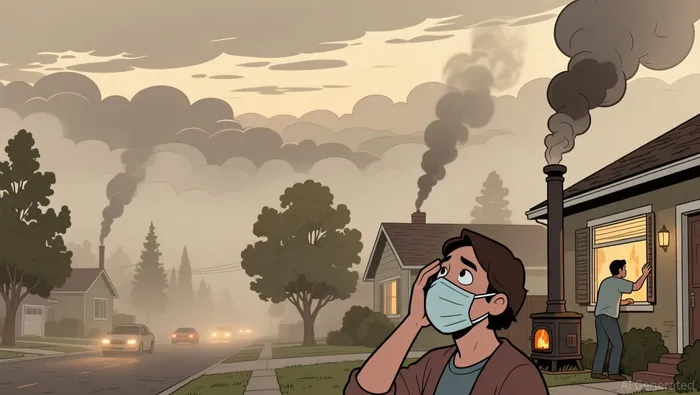
What Is Causing the Air Quality to Be Unhealthy Today?
The primary driver of poor air quality today is fine particulate matter, which includes soot, smoke, dust, and tire rubber. These particles are particularly dangerous because they can penetrate deep into the lungs. In the winter months, wood-burning stoves and fireplaces contribute significantly to PM2.5 levels. Temperature inversions—when cool air is trapped near the ground—prevent these pollutants from dispersing, worsening air quality.
Meteorologists note that weather conditions aren't expected to change until the weekend, which means the current poor air quality is likely to persist according to weather forecasts. This is a recurring issue in the region during winter, when light winds and high pressure trap pollution in valleys and urban areas.
What Do Investors Need to Know About Today's Air Quality?
While air quality might seem like a local public health issue, it has wider implications for investors. First, poor air quality can lead to higher healthcare costs, as vulnerable groups experience more respiratory issues. Second, regulatory responses—like the "Check Before You Burn" season and temporary wood-burning bans—could influence energy and utility demand. Lastly, companies focused on air purification, indoor health, or alternative energy sources could see increased demand from consumers looking to reduce exposure.
The Environmental Protection Agency's recent policy shift—no longer assigning a dollar value to health benefits from reducing air pollution—adds another layer of uncertainty. Critics worry that this move could make it easier to roll back regulations in the future, potentially increasing long-term health risks according to environmental analysis.
What to Watch Next
The next key developments to watch are weather changes and official updates from air quality management districts. Authorities typically issue updates daily, so residents and investors can monitor progress on the provincial air quality data webpage or local air quality district websites.
If the high-pressure system clears, air quality is expected to improve. Until then, vulnerable populations are advised to stay indoors, avoid outdoor activity, and follow local guidelines to reduce exposure. For investors, the situation highlights the broader implications of environmental policy, public health, and energy use—especially as climate-related events become more frequent.

Stay ahead of the market.
Get curated U.S. market news, insights and key dates delivered to your inbox.






Comments
No comments yet