
Understanding Inflation in 2026: Key Trends and Investor Implications
 Aime Summary
ment of inflation, particularly in the Middle East. Recent U.S. and Israeli military actions in Iran have raised global oil prices and sparked concerns about renewed inflationary pressures. Understanding how these dynamics play out will be crucial for investors seeking to navigate the evolving economic landscape.
What Is and Why It Matters Now
Inflation refers to the sustained increase in the price of goods and services over time, leading to a decline in the purchasing power of a currency. Inflation is measured using metrics like the (CPI) and the Producer Price Index (PPI), which track price changes across different economic sectors. Inflation can be driven by a variety of factors, including demand-pull, cost-push, and built-in inflation. Demand-pull inflation occurs when demand outstrips supply, while cost-push inflation results from rising input costs like labor and raw materials. Built-in inflation is a self-reinforcing cycle where expectations of higher prices lead to actual price increases.
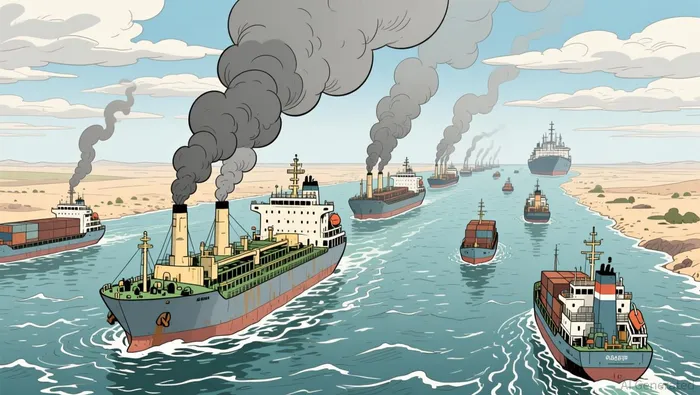
For investors, inflation is a critical factor because it erodes the real returns on investments. Historically, periods of high inflation have been associated with market volatility, as seen during the 1970s oil shocks and more recently with the post-COVID economic recovery. As of early 2026, inflation in the U.S. , but core inflation remains sticky, and essential expenses like food and housing continue to rise. This has led to a K-shaped economic recovery, where higher-income households have fared better, while lower-income households struggle with the cost of living.
How the Middle East Conflict Is Affecting Oil Prices and Inflation
The recent escalation in the Middle East has pushed oil prices to new heights. A barrel of U.S. , . . A prolonged war could also lead to higher transportation costs for other goods, further exacerbating inflation.
Natural gas prices have also spiked, particularly in Europe, where energy security is a top concern following Russia’s invasion of Ukraine. The European economy’s recovery is now at risk, with energy prices rising and threatening to reignite inflation. For U.S. investors, a key concern is whether the Federal Reserve will be able to cut interest rates in the coming months if inflationary pressures persist. Historically, the Fed has responded to inflation by raising rates, as seen during the 2022–2024 period. If oil prices remain elevated, the Fed may be forced to keep rates higher for longer, limiting growth and investment opportunities.
The Role of Monetary Policy and Economic Uncertainty
Monetary policy plays a central role in managing inflation. , above its 2% target. While headline inflation has cooled, core inflation — which excludes volatile items like food and energy — remains elevated. This suggests that underlying inflationary pressures are still present, despite the drop in headline numbers.
The Federal Reserve’s response to inflation has historically involved tightening monetary policy through interest rate hikes. However, this approach has its limitations. For example, while rate hikes can slow demand and curb inflation, they can also hurt job growth and economic activity. In 2025, , outside of a recession, as businesses became more cautious in the face of higher borrowing costs.
In addition to monetary policy, other factors are shaping inflation in 2026. The global economy is still recovering from pandemic-era supply chain disruptions, and geopolitical tensions continue to add uncertainty. The of 2022, which aimed to reduce energy costs in the long term, has had a modest impact on inflation so far. Meanwhile, concerns about the U.S. debt burden and the potential for a debt crisis are adding another layer of risk to the economic outlook.
Investor Strategies for Navigating Inflation and Geopolitical Risks
For investors, the key to navigating inflation is to build a diversified portfolio that includes assets that can hedge against rising prices. Historically, commodities like gold and energy stocks have performed well during inflationary periods. In the current environment, energy companies with exposure to oil and gas production may benefit from higher commodity prices. Similarly, companies in the transportation and logistics sectors could see increased demand as shipping costs rise.
Retirees and long-term investors should also be mindful of inflation’s long-term impact. Because retirement portfolios are often fixed, inflation can erode savings over time. Strategies like using inflation-protected bonds, maintaining a low withdrawal rate, and investing in assets with strong cash flows can help preserve purchasing power.
In the near term, investors should monitor geopolitical developments closely. If the Middle East conflict escalates, it could trigger a broader economic slowdown and delay interest rate cuts. Conversely, if the conflict de-escalates quickly, the impact on inflation may be limited. Either way, the coming months will be critical in determining whether inflation remains a persistent risk or becomes a passing concern.
What investors should watch next is the Fed’s response to inflation and the trajectory of oil prices. If energy costs remain high, the Fed may be forced to keep rates elevated, which could slow economic growth. On the other hand, if oil prices stabilize and inflation continues to fall, the Fed may be able to cut rates, providing a boost to markets. Investors should also keep an eye on consumer sentiment and business confidence, as these indicators can provide early signals of economic shifts.
Ultimately, inflation remains a complex and multifaceted issue. While the current trend is toward disinflation, the risks of renewed inflationary pressure remain. For investors, the key is to stay informed, build resilient portfolios, and be prepared for a range of outcomes in the months and years ahead.

Stay ahead of the market.
Get curated U.S. market news, insights and key dates delivered to your inbox.


AInvest
PRO
AInvest
PRO



Comments
No comments yet