
Understanding Entergy Outage Map Impact on Energy Reliability
 Aime Summary
- Entergy's service area is currently experiencing power outages impacting thousands of customers.
- Recent severe weather, including windstorms, has led to widespread disruptions in multiple regions.
- Investors should assess how prolonged outages and restoration efforts affect utility company performance and consumer trust.
- The extent of damage and frequency of outages are key factors in evaluating operational resilience for energy firms.
- Utility companies are deploying crews and resources to restore service, with ongoing assessments determining next steps.
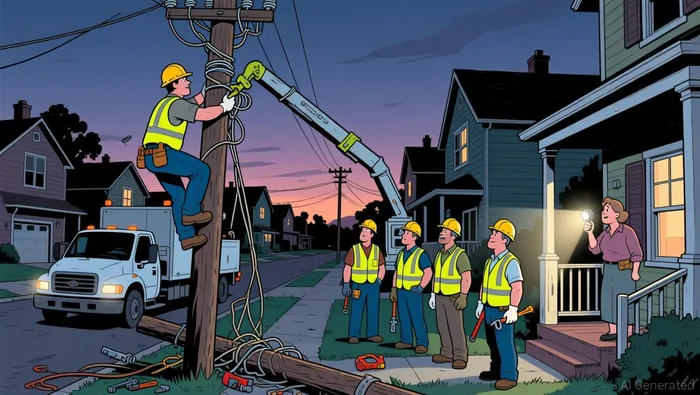
Recent weather events have highlighted the vulnerability of energy infrastructure, particularly in regions like Toledo and the Beaumont Network, where severe windstorms have left thousands without power. These outages, often exacerbated by aging infrastructure and climate-related events, are not just operational challenges—they are financial and reputational risks for utility companies. For investors, understanding how these outages are managed, how quickly service is restored, and how companies communicate with customers can offer insight into the long-term viability and performance of energy providers such as EntergyETR--.
How Can Investors Use the Entergy Outage Map to Assess Risk?
Utility outages are rarely random. The Entergy outage map can be a valuable tool for investors, revealing patterns in outage frequency and duration across service areas. A high number of outages in a specific region might indicate underlying infrastructure issues or a greater reliance on older transmission lines that are more susceptible to weather-related failures. Investors should track these trends over time to determine whether a utility is proactively addressing vulnerabilities or merely reacting to crises. Additionally, the speed of restoration can signal how well a company is prepared for large-scale disruptions, which is particularly relevant in a world of increasingly volatile weather patterns.
.
Recent outages in the Toledo area, for example, have sparked public concern over the length of service interruptions. Such feedback, when amplified on social media, can hurt public perception and, in turn, affect customer retention and regulatory scrutiny. For Entergy, as for other utility companies, maintaining a balance between cost-effective maintenance and infrastructure upgrades is essential to avoiding both operational and reputational fallout.
What Does the Entergy Outage Map Reveal About Regional Energy Resilience?
The Entergy outage map is not just a visual representation of current disruptions—it is also a historical record of where and when outages have occurred. By analyzing this data, investors can gain insights into the resilience of the energy grid in different regions. Areas that experience frequent or prolonged outages may signal underlying vulnerabilities, such as aging infrastructure, insufficient investment in maintenance, or a lack of redundancy in the system. In contrast, regions where service is quickly restored may reflect better infrastructure planning, more robust maintenance schedules, and effective emergency response protocols.
In the Beaumont Network, for instance, approximately 1,600 customers were without power due to recent damage. While most areas have since returned to normal operations, the extent of the issue is still being assessed. These types of incidents, when they happen frequently or on a large scale, can lead to higher costs for utility companies through increased maintenance spending and potential regulatory penalties. For investors, tracking the financial impact of such events can be crucial in evaluating a company’s long-term profitability and operational efficiency.
The broader market also reacts to large-scale outages, particularly when they affect major utility companies. For example, FirstEnergy recently faced similar challenges after a windstorm caused widespread outages in central and northeast Ohio. The company mobilized thousands of workers to restore service and provided estimated restoration times to affected customers. While such efforts can mitigate public backlash, they also increase operational costs and may lead to pressure from regulators to improve service reliability. For investors, it is essential to consider how these costs are managed and whether they are passed on to consumers in the form of higher utility rates.
What to Watch Next in the Energy Outage Landscape
As climate change continues to increase the frequency and severity of extreme weather events, utility companies like Entergy and FirstEnergy will face mounting pressure to modernize their infrastructure and improve resilience. Investors should monitor how these companies allocate capital to grid modernization, storm preparedness, and customer communication strategies. Additionally, tracking the regulatory environment—particularly how states and federal agencies respond to service disruptions—can provide further insight into the evolving landscape for energy providers.
Key metrics to watch include the number of outages per year, the average duration of outages, and the time required for restoration. These figures can serve as indicators of a company’s preparedness and efficiency in handling disruptions. Moreover, public sentiment and customer feedback on social media can highlight areas of concern and provide early warning signs of potential issues. By staying informed and using tools like the Entergy outage map, investors can make more informed decisions about the long-term viability of energy companies in a rapidly changing market.

Stay ahead of the market.
Get curated U.S. market news, insights and key dates delivered to your inbox.
AInvest
PRO
AInvest
PRO



Comments
No comments yet