
Understanding the Disconnect Between Financial and Physical Markets in Commodity Trading
 Aime Summary
In the world of commodity trading, investors often encounter a puzzling situation: the price of a commodity in the financial market doesn’t always match the price in the physical market. This disconnect can be confusing, especially for new investors, but understanding it is crucial for making informed decisions in both markets.
What Are Financial and Physical Markets?
Physical markets refer to the actual buying and selling of tangible commodities like oil, gold, or wheat. These markets involve the actual delivery and storage of the commodity. Prices in physical markets are influenced by supply and demand for the physical product, as well as logistical factors like storage costs and transportation.
Financial markets, on the other hand, deal with the trading of contracts that represent the right to buy or sell a commodity at a future date, such as futures or ETFs. These contracts allow investors to bet on the direction of the physical market without necessarily taking physical delivery of the commodity.
Why the Disconnect Happens
Several factors can cause a gap between the two markets:
Market Sentiment and Speculation: Financial markets often react to news, geopolitical events, or macroeconomic trends that may not immediately affect the physical supply or demand of a commodity.
Leverage and Margin Trading: Financial instruments like futures allow traders to control large amounts of a commodity with relatively small capital. This can lead to exaggerated price movements that don't reflect the actual state of the physical market.
Storage and Transportation Costs: Physical commodities require storage and transportation, which can make the cost of holding the actual product higher than the cost of holding a financial contract.
Roll Yield in Futures Contracts: As futures contracts approach expiration, investors must roll their positions to the next contract. This process can create volatility in the financial market that doesn’t exist in the physical one.
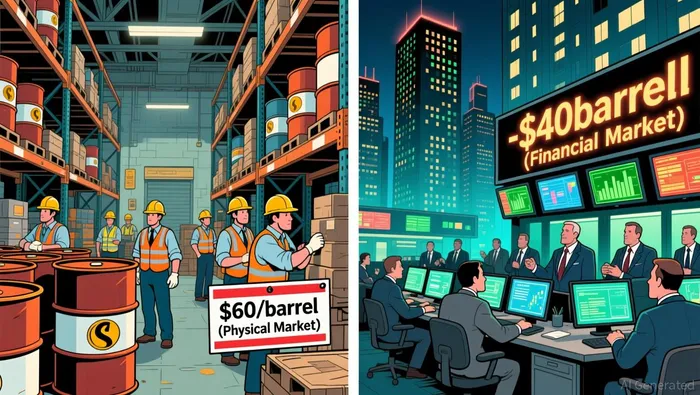
Real-World Example: The 2020 Oil Price Collapse
A striking example of this disconnect occurred in April 2020 when the price of West Texas Intermediate (WTI) crude oil briefly turned negative. This happened in the financial market due to a shortage of storage capacity for physical oil. Traders holding futures contracts were willing to pay others to take the physical oil off their hands, leading to a negative price. In the physical market, the actual price of oil remained relatively stable, but the financial market was driven by logistical constraints and panic selling.
Strategies for Investors
Monitor Both Markets: Investors should track both financial and physical prices to get a more complete picture. A big divergence may signal a potential correction or opportunity.
Be Cautious with Leverage: Understand the risks of using leveraged products like futures, especially in volatile or illiquid markets.
Diversify Exposure: Consider using a mix of financial and physical instruments to balance risk and reward.
Understand the Costs: Factor in storage, logistics, and time decay when evaluating long-term positions in commodities.
Risks to Be Aware Of
The disconnect between the two markets can lead to unexpected losses, especially if an investor only tracks one side of the market. For example, a drop in the financial price may not immediately affect the physical price, leading to confusion or misaligned expectations.
To mitigate these risks, investors should:
- Conduct thorough research before entering a position.
- Use stop-loss orders and other risk management tools.
- Stay informed about both market environments and how they interact.
Conclusion
The difference between financial and physical commodity markets is a real and often misunderstood phenomenon. By understanding the factors that drive each market and how they can diverge, investors can make smarter, more informed decisions. Whether you're trading futures or investing in physical commodities, staying aware of the interplay between these two markets can give you a valuable edge in the world of commodity trading.

Stay ahead of the market.
Get curated U.S. market news, insights and key dates delivered to your inbox.


AInvest
PRO
AInvest
PRO



Comments
No comments yet