
Understanding the Copper Mining Industry: Key Drivers and Challenges for Investors
 Aime Summary
Copper is often called the 'King of Metals' due to its critical role in modern economies. From building infrastructure to powering renewable energy systems, copper is indispensable. For investors, understanding the dynamics of the copper mining industry is crucial, as it offers both opportunities and risks. This article breaks down the key drivers and challenges shaping this sector and provides actionable insights for investors.
Core Concept: What Drives Copper Demand? Copper’s value lies in its versatility. It’s used in construction, electronics, and increasingly in electric vehicles (EVs) and solar panels. Three main factors drive demand: 1. Urbanization and Infrastructure: As cities expand, demand for copper in wiring, plumbing, and transportation networks rises. 2. Green Energy Transition: Each EV requires ~80 kg of copper, and wind turbines use 5x more copper than coal-fired plants. 3. Global Economic Growth: Emerging markets, particularly in Asia, are major consumers of copper, linking its price to global GDP trends.
Challenges in the Copper Mining Industry Despite strong demand, the industry faces hurdles: 1. Supply Constraints: New copper discoveries are rare, and existing mines are depleting. It can take 10+ years to bring a new mine online. 2. Environmental and Regulatory Pressures: Stricter emissions rules and community opposition to mining projects increase costs and delay operations. 3. Geopolitical Risks: Countries like Chile (which produces 25% of global copper) and Peru face political instability, affecting production.
Investment Strategies for Copper-Related Opportunities 1. Diversify Exposure: Invest in a mix of large-cap mining companies (e.g., BHP, Codelco) and copper-focused ETFs to balance risk. 2. Prioritize ESG (Environmental, Social, and Governance) Standards: Firms with sustainable practices are better positioned to navigate regulations and community scrutiny. 3. Monitor Macroeconomic Trends: Track global EV adoption rates and infrastructure spending to anticipate demand shifts.
Case Study: Chile’s Copper Sector and Global Markets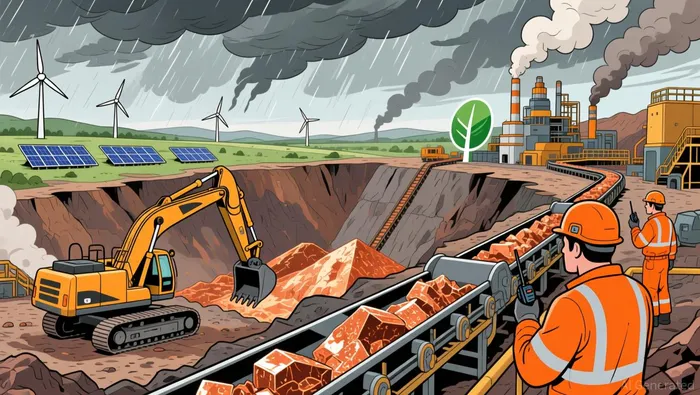 Chile is the world’s largest copper producer. In 2023, the country approved a new mining tax law, increasing royalties for copper producers. While this boosted government revenue, it reduced profit margins for companies like Codelco. At the same time, labor strikes and water shortages in mining regions disrupted output. These events caused copper prices to fluctuate by 15% in six months, illustrating how local challenges can ripple across global markets.
Risks and Mitigation Tips - Market Volatility: Copper prices can swing due to supply shocks or economic downturns. Mitigate this by holding a diversified portfolio. - Regulatory Changes: Stay informed about environmental policies in major producing countries. Consider investing in firms with strong lobbying influence or flexible operations. - Exploration Risks: Junior mining companies may face high failure rates in discovering new deposits. Limit exposure to these high-risk ventures unless you have deep sector expertise.
Conclusion The copper mining industry is shaped by a unique interplay of demand from green energy, infrastructure, and economic growth, while grappling with supply constraints and regulatory challenges. For investors, success lies in understanding these dynamics, prioritizing sustainability, and maintaining a diversified approach. By staying informed and adaptable, investors can navigate the complexities of this vital sector and capitalize on its long-term potential.

Stay ahead of the market.
Get curated U.S. market news, insights and key dates delivered to your inbox.


AInvest
PRO
AInvest
PRO



Comments
No comments yet