
Understanding Agentic AI: Key Drivers and Challenges Shaping the Future of Intelligent Systems
 Aime Summary
In recent years, artificial intelligence (AI) has evolved beyond simple automation tools to become autonomous decision-makers. Agentic AI—systems that operate independently, adapt to new situations, and pursue goals—represents a major leap in this journey. For investors, understanding this emerging field is critical, as it holds transformative potential across industries while presenting unique risks.
What Is Agentic AI?
Agentic AI refers to systems capable of autonomous action. Unlike traditional AI, which follows predefined rules, agentic AI can analyze data, set priorities, and adjust strategies in real time. Imagine a self-driving car that not only follows traffic rules but also predicts pedestrian behavior and reroutes to avoid delays. This level of adaptability is what makes agentic AI powerful and distinct.
Drivers of Growth
- Technological Advancements: Improvements in machine learning, natural language processing, and robotics have enabled AI to handle complex tasks. For example, generative AI models now allow chatbots to engage in dynamic conversations.
- Demand for Efficiency: Businesses seek cost-effective solutions. Agentic AI can optimize supply chains, reduce human error, and accelerate decision-making. A logistics company using autonomous robots to manage inventory might cut operational costs by 30%.
- Investment and Collaboration: Tech giants like GoogleGOOGL--, MicrosoftMSFT--, and AmazonAMZN-- are pouring resources into agentic AI, fostering innovation through research and partnerships.
Challenges and Risks
- Technical Reliability: Agentic AI must operate flawlessly in unpredictable environments. A minor coding error in a healthcare AI system could lead to life-threatening mistakes.
- Ethical and Regulatory Concerns: Issues like data privacy, job displacement, and AI bias are hotly debated. Stricter regulations could slow adoption.
- High Development Costs: Building robust agentic systems requires significant R&D investment. Smaller companies may struggle to compete with well-funded rivals.
Real-World Applications and Strategies
Investors can explore opportunities in sectors adopting agentic AI:- Healthcare: AI-driven diagnostic tools that learn from patient data to improve accuracy.- Logistics: Autonomous systems optimizing delivery routes in real time.- Customer Service: Chatbots handling complex queries with minimal human intervention.
A diversified approach—investing in both AI developers (e.g., companies creating the technology) and adopters (businesses integrating AI into operations)—can balance risk and reward.
Case Study: AI in Supply Chain Management
Consider Amazon’s use of agentic AI in its warehouses. By deploying autonomous robots to track inventory and sort packages, the company reduced delivery times and improved efficiency. In 2022, Amazon reported a 20% increase in warehouse productivity, directly linked to AI integration. This example highlights how agentic AI can deliver measurable ROI when implemented effectively.
Mitigating Risks
To navigate challenges, investors should:- Prioritize Companies with Strong R&D: Firms with proven expertise in AI ethics and safety are better positioned for long-term success.- Monitor Regulatory Trends: Stay informed about evolving policies, such as the EU’s AI Act, which could impact global markets.- 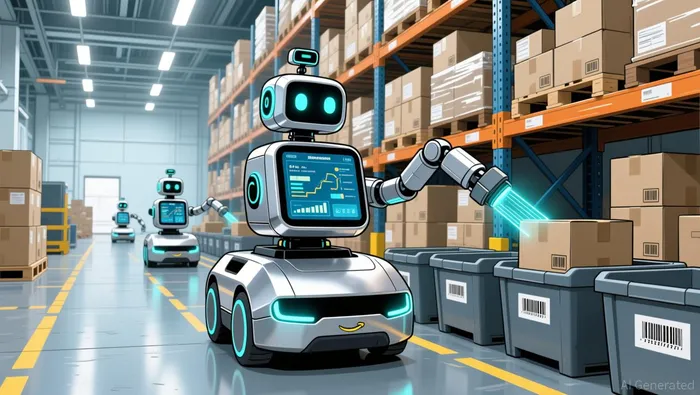 - Diversify Portfolios: Avoid overexposure to a single sector or technology.
Conclusion
Agentic AI is reshaping industries by enabling smarter, faster decisions. While its potential is vast, investors must weigh technical, ethical, and regulatory challenges. By staying informed and adopting a balanced strategy, investors can harness this innovation while managing risks. As the field matures, those who understand agentic AI’s drivers and pitfalls will be well-positioned to capitalize on its growth.

Stay ahead of the market.
Get curated U.S. market news, insights and key dates delivered to your inbox.




Comments
No comments yet