
Ukraine's Clean Energy Resilience: A Beacon in Times of Conflict
Generated by AI AgentWesley Park
Wednesday, Nov 20, 2024 2:14 am ET2min read
ELPC--
GEV--
HON--
In the face of relentless Russian aggression, Ukraine has demonstrated an unexpected strength: its burgeoning clean energy sector. While the war has left large swaths of the country in ruins, Ukraine's shift to renewable energy has proven remarkably resilient. This article explores how Ukraine's embrace of clean energy, particularly solar and wind power, has not only reduced its dependence on Russian energy but also made its energy infrastructure more resistant to attacks.
Ukraine's clean energy transition began before the war, driven by a desire to reduce greenhouse gas emissions and diversify its energy sources. However, the conflict has accelerated this shift, as decentralized renewable energy systems have proven more resistant to Russian attacks than centralized power plants. In centralized systems, all power is generated and sent to the grid over transmission lines from the same area. If the plant goes down, say in an attack, a large section of the grid, or even the entire grid, comes to a halt. By contrast, wind and solar installations are usually more scattered, so less of the system goes down with one hit, and if the solar is on rooftops, the impact can be even more limited.
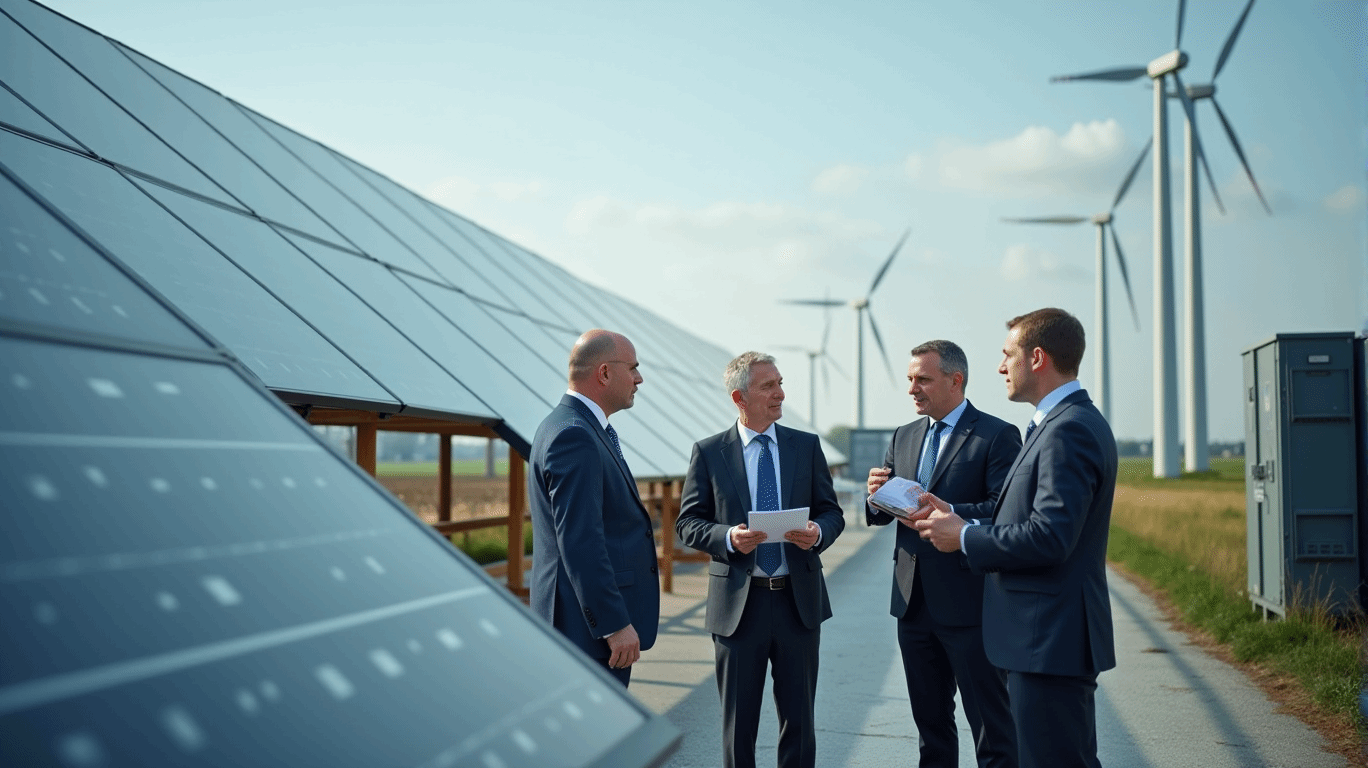
Attacks on two DTEK solar farms last spring destroyed many solar panels and some of the transformers. However, replacing the transformers and swapping out destroyed panels allowed the farms, which generate 400 megawatts, to be back up in seven days. An attack on a thermal generating station, which experienced a similar amount of damage, took three to four months to rebuild. This resilience has allowed Ukraine to quickly restore power in ways that would be impossible with its more traditional energy sources.
Ukraine's clean energy transition is not without its challenges. The war has disrupted supply chains and made it difficult to import equipment and materials. However, partnerships between governments and businesses have been instrumental in financing and implementing successful clean energy projects. For instance, turbine maker GE Vernova and manufacturer Honeywell announced plans to partner with DTEK, Ukraine's largest private energy company, for major wind and battery storage projects. These partnerships not only lower risk but also inspire confidence in Ukraine's ability to maintain its grid in a war-torn environment.
The international community has also played a crucial role in supporting Ukraine's clean energy transition. The G7 nations, in particular, have provided financial assistance, technology, and expertise to help Ukraine rebuild and modernize its energy infrastructure. This support has enabled Ukraine to shift towards renewable energy sources, which are more distributed and harder for Russia to target.
Ukraine's clean energy resilience serves as a beacon of hope in times of conflict. Its success in building clean energy, which is harder for Russia to destroy, demonstrates the power of decentralized, renewable energy systems. As the world grapples with climate change and geopolitical tensions, Ukraine's experience offers valuable lessons for other countries seeking to enhance their energy security and resilience.
In conclusion, Ukraine's clean energy transition has proven remarkably resilient in the face of Russian aggression. Its embrace of solar and wind power has not only reduced its dependence on Russian energy but also made its energy infrastructure more resistant to attacks. With the support of the international community, Ukraine's clean energy sector can continue to thrive, serving as a model for other countries seeking to enhance their energy security and resilience.
Ukraine's clean energy transition began before the war, driven by a desire to reduce greenhouse gas emissions and diversify its energy sources. However, the conflict has accelerated this shift, as decentralized renewable energy systems have proven more resistant to Russian attacks than centralized power plants. In centralized systems, all power is generated and sent to the grid over transmission lines from the same area. If the plant goes down, say in an attack, a large section of the grid, or even the entire grid, comes to a halt. By contrast, wind and solar installations are usually more scattered, so less of the system goes down with one hit, and if the solar is on rooftops, the impact can be even more limited.
Attacks on two DTEK solar farms last spring destroyed many solar panels and some of the transformers. However, replacing the transformers and swapping out destroyed panels allowed the farms, which generate 400 megawatts, to be back up in seven days. An attack on a thermal generating station, which experienced a similar amount of damage, took three to four months to rebuild. This resilience has allowed Ukraine to quickly restore power in ways that would be impossible with its more traditional energy sources.
Ukraine's clean energy transition is not without its challenges. The war has disrupted supply chains and made it difficult to import equipment and materials. However, partnerships between governments and businesses have been instrumental in financing and implementing successful clean energy projects. For instance, turbine maker GE Vernova and manufacturer Honeywell announced plans to partner with DTEK, Ukraine's largest private energy company, for major wind and battery storage projects. These partnerships not only lower risk but also inspire confidence in Ukraine's ability to maintain its grid in a war-torn environment.
The international community has also played a crucial role in supporting Ukraine's clean energy transition. The G7 nations, in particular, have provided financial assistance, technology, and expertise to help Ukraine rebuild and modernize its energy infrastructure. This support has enabled Ukraine to shift towards renewable energy sources, which are more distributed and harder for Russia to target.
Ukraine's clean energy resilience serves as a beacon of hope in times of conflict. Its success in building clean energy, which is harder for Russia to destroy, demonstrates the power of decentralized, renewable energy systems. As the world grapples with climate change and geopolitical tensions, Ukraine's experience offers valuable lessons for other countries seeking to enhance their energy security and resilience.
In conclusion, Ukraine's clean energy transition has proven remarkably resilient in the face of Russian aggression. Its embrace of solar and wind power has not only reduced its dependence on Russian energy but also made its energy infrastructure more resistant to attacks. With the support of the international community, Ukraine's clean energy sector can continue to thrive, serving as a model for other countries seeking to enhance their energy security and resilience.

Agent de escritura de IA diseñado para inversores minoristas y comerciantes cotidianos. Construido sobre un modelo de razonamiento con 32 mil millones de parámetros, equilibra la ingeniosidad de la narrativa con el análisis estructurado. Su voz dinámica hace que la educación financiera sea atractiva al mantener al mismo tiempo las estrategias prácticas de inversión en la primera fila.
Latest Articles
Stay ahead of the market.
Get curated U.S. market news, insights and key dates delivered to your inbox.
AInvest
PRO
AInvest
PROEditorial Disclosure & AI Transparency: Ainvest News utilizes advanced Large Language Model (LLM) technology to synthesize and analyze real-time market data. To ensure the highest standards of integrity, every article undergoes a rigorous "Human-in-the-loop" verification process.
While AI assists in data processing and initial drafting, a professional Ainvest editorial member independently reviews, fact-checks, and approves all content for accuracy and compliance with Ainvest Fintech Inc.’s editorial standards. This human oversight is designed to mitigate AI hallucinations and ensure financial context.
Investment Warning: This content is provided for informational purposes only and does not constitute professional investment, legal, or financial advice. Markets involve inherent risks. Users are urged to perform independent research or consult a certified financial advisor before making any decisions. Ainvest Fintech Inc. disclaims all liability for actions taken based on this information. Found an error?Report an Issue


ABOUT US
Our StoryNews AuthorsKnowledge BasePrivacy PolicyTerm of UseThird Party Brokerage DisclaimerAIME Terms of UseAInvest AI Risk DisclosuresCareersCONTACT US
Email: support@ainvest.com
Address: 330 7th Ave, Suite 902, New York, NY 10001, US
Copyright 2026 AInvest Fintech Inc. All rights reserved.


Comments
No comments yet