
Ukraine, Russia to Negotiate Ceasefire as Trump Facilitates Talks
Ukrainian President Volodymyr Zelenskyy has reiterated the importance of resolving the ongoing conflict through diplomatic means, stating that Ukraine is ready to engage in negotiations to end the war. This position follows a series of high-level communications involving key international figures, including Donald Trump, who has been actively involved in facilitating discussions between Ukraine and Russia.
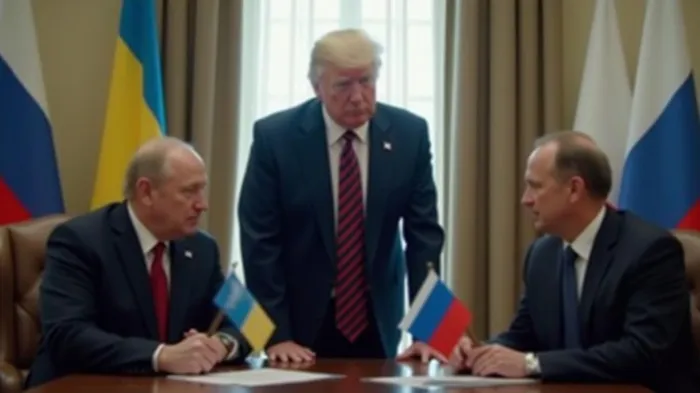
Trump, after separate phone calls with both Zelenskyy and Russian President Vladimir Putin, announced that Russia and Ukraine would immediately commence ceasefire negotiations. This development represents a significant shift in the approach to resolving the conflict, as Trump has indicated that the U.S. will not impose further sanctions on Russia and will instead support the countries' efforts to negotiate a resolution independently.
Zelenskyy's willingness to engage in negotiations was further emphasized by his proposal for a high-level meeting involving Ukraine, Russia, the United States, European Union nations, and the United Kingdom. This meeting, which Zelenskyy hopes to convene as soon as possible, aims to push for an end to the war and establish a framework for lasting peace.
The call for negotiations has garnered both support and skepticism. Russian officials, including and current Security Council Deputy Chairman Dmitry Medvedev, have cautioned that failure to reach a satisfactory agreement could lead to an escalation of the conflict, potentially involving new participants and more destructive weapons. Medvedev's statements, made on social media, underscore the high stakes involved in the negotiations and the potential for further conflict if talks fail.
Medvedev's warnings are not merely rhetorical; they reflect a strategic calculus aimed at pressuring the opposing side to make concessions. His comments suggest that Russia is prepared to escalate the conflict if necessary, using more advanced weaponry and potentially drawing in new allies. This approach is part of a broader strategy to ensure that any ceasefire agreement is on terms favorable to Russia.
The international community has been closely monitoring these developments, with various nations and organizations expressing their support for a negotiated settlement. The European Union, for instance, has been considering its stance on continued military aid to Ukraine, with some member states expressing reservations about the prolonged conflict.
As the negotiations proceed, the focus will be on whether the parties can reach a mutually acceptable agreement that addresses the root causes of the conflict and lays the groundwork for a sustainable peace. The coming weeks will be crucial in determining the outcome of these talks and the future of the region.

Stay ahead of the market.
Get curated U.S. market news, insights and key dates delivered to your inbox.


AInvest
PRO
AInvest
PRO



Comments
No comments yet