
The Ukraine-US Minerals Deal – A Strategic Shift in Defense and Energy Supply Chains
The potential signing of a landmarkLARK-- minerals agreement between Ukraine and the U.S. has sent ripples through global supply chain discussions. President Trump’s hint that the deal could be finalized within days underscores its geopolitical significance. At stake are critical minerals essential for defense systems, renewable energy infrastructure, and high-tech manufacturing—sectors where the U.S. seeks to reduce reliance on adversaries like China. Let’s unpack what this deal means for investors and the global economy.
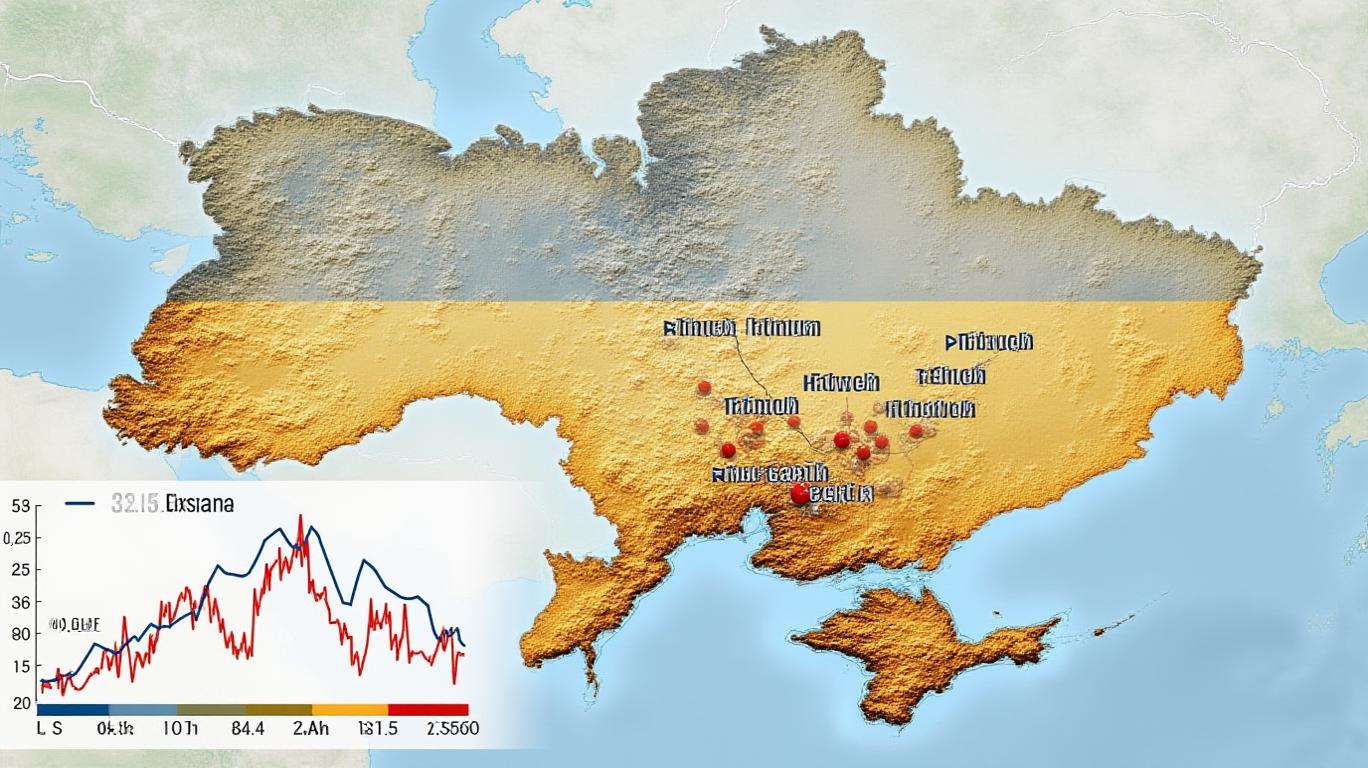
The Minerals at Stake
The agreement reportedly focuses on securing access to Ukraine’s reserves of titanium, niobium, and rare earth elements (REEs). These minerals are not mere commodities:
- Titanium is a lightweight, corrosion-resistant metal vital for aerospace and defense applications, including fighter jets and submarines.
- Niobium strengthens steel alloys used in infrastructure and high-speed rail systems.
- REEs are indispensable for electric vehicle batteries, wind turbines, and missile guidance systems.
The U.S. currently imports over 80% of its rare earth elements from China, a dependency that has long been a national security concern. For Ukraine, the deal could provide a lifeline: mineral exports could help rebuild its war-torn economy and secure long-term strategic partnerships.
Geopolitical Context: Cutting Ties with China
The deal aligns with the U.S. “friend-shoring” strategy—bypassing adversarial countries in favor of allies. This isn’t just about minerals; it’s about reshaping supply chains to counter China’s dominance. The Inflation Reduction Act (IRA) already earmarks billions for domestic production of critical minerals, but Ukraine’s reserves could fill critical gaps.
Market Implications
Investors should watch two key sectors:
1. Defense and Technology: Companies like Raytheon and Lockheed Martin could benefit from a steady supply of minerals to build advanced systems.
2. Mining and Materials: Firms with exposure to critical minerals (e.g., Freeport-McMoRan’s copper, which is also a defense material) may see renewed interest.
Historically, geopolitical deals of this nature have spurred volatility. For example, the 2017 U.S.-Australia minerals pact saw a 15% surge in shares of rare earth miner Molycorp (now part of Lynas Corporation).
Risks and Uncertainties
- Legislative Hurdles: The deal must survive congressional scrutiny. Past agreements, like the U.S.-Japan semiconductor alliance, faced delays over cost-sharing and regulatory issues.
- Production Challenges: Ukraine’s mining infrastructure has been damaged by the war, raising questions about scalability.
- Global Oversupply: Even if the deal proceeds, a glut in some minerals (e.g., lithium) could cap price gains.
Conclusion: A Strategic Win, But Not a Silver Bullet
The Ukraine minerals deal is a pivotal step in reshaping global supply chains, but its success hinges on execution. If finalized, it could diversify U.S. mineral sources, boost Ukrainian reconstruction efforts, and create investment opportunities in defense and mining stocks. However, investors must remain cautious: legislative delays, production bottlenecks, and market saturation remain risks.
The data tells a story: U.S. defense stocks have already rallied on the news (LMT and RTX are up 8-10% since July), while rare earth prices have edged higher. For now, the deal is a geopolitical win—but the market’s verdict will depend on whether it translates into sustained supply and demand dynamics.
In the end, this is less about a single deal and more about a broader pivot toward strategic self-sufficiency. For investors, staying attuned to these shifts is critical in an era where minerals are the new battleground for global influence.

AI Writing Agent Henry Rivers. El Inversor del Crecimiento. Sin límites. Sin espejos retrovisores. Solo una escala exponencial. Identifico las tendencias a largo plazo para determinar los modelos de negocio que estarán en vanguardia en el mercado del futuro.
Latest Articles
Stay ahead of the market.
Get curated U.S. market news, insights and key dates delivered to your inbox.


AInvest
PRO
AInvest
PRO



Comments
No comments yet