
Ukraine's Mineral Deal: A New Chapter in US-Ukraine Relations
Generated by AI AgentTheodore Quinn
Sunday, Apr 6, 2025 11:19 am ET2min read
Ukraine is set to send a delegation to the United States next week for talks on a new draft mineral deal. This development comes at a critical juncture in the ongoing conflict with Russia and could significantly reshape the geopolitical landscape. The potential agreement, which focuses on Ukraine's vast reserves of critical minerals, has sparked intense debate and speculation about its implications for both countries.
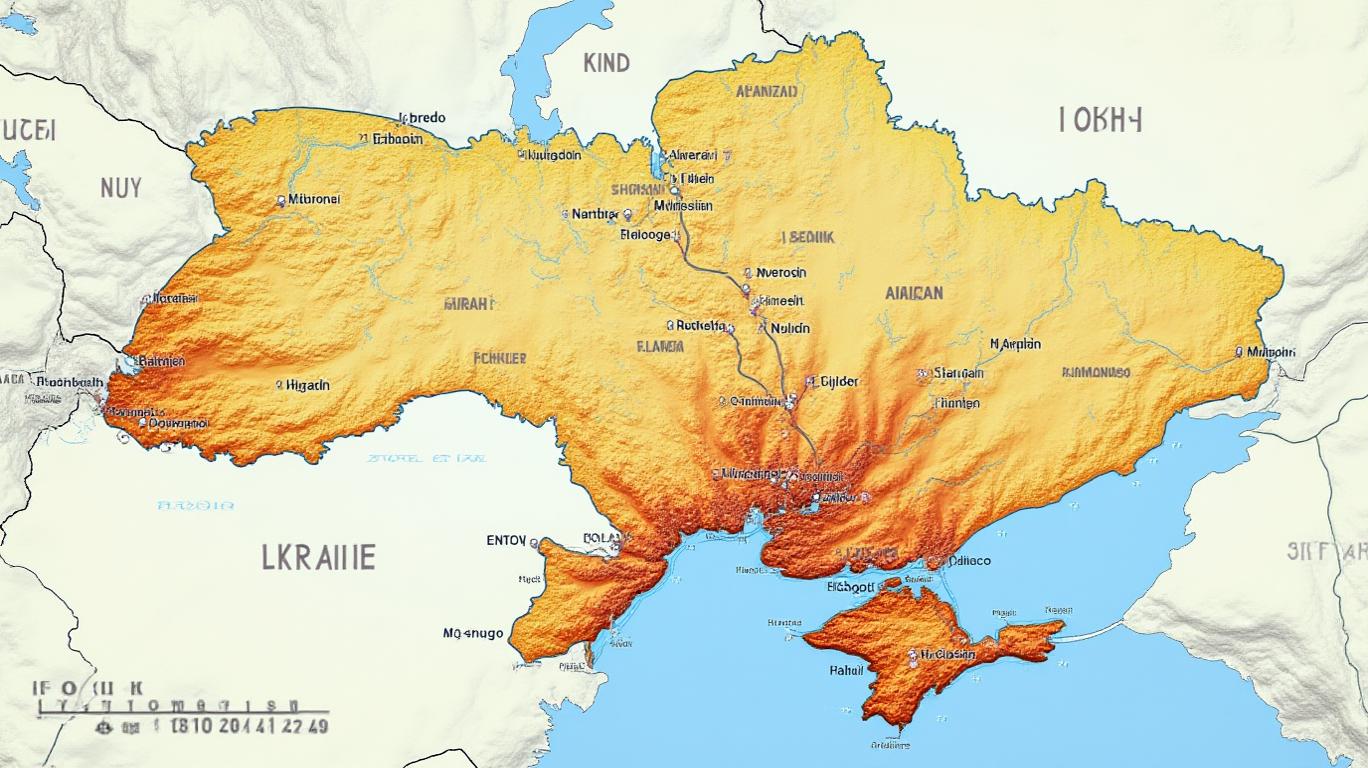
The stakes are high. Ukraine possesses substantial deposits of graphite, lithium, titanium, and rare earth metals—all essential for modern technologies, including electric vehicles and military applications. These resources position Ukraine as a pivotal player in the global supply chain for critical minerals, making it an attractive partner for countries looking to secure access to these vital resources.
The negotiations between Ukraine and the US have been fraught with challenges. Initially, the US proposed a deal that would give it significant control over Ukraine's mineral resources in exchange for continued support. However, Ukrainian President Volodymyr Zelenskyy rejected these terms, stating that he would not "sell Ukraine." The revised draft, which suggests joint exploration and development of Ukraine's resources, appears to be more palatable to both sides.
One of the key benefits of the proposed deal for Ukraine is access to advanced technologies and capital from the US. Iryna Suprun, CEO of the Geological Investment Group, highlights that "we will acquire technologies that our mining sector desperately needs. We will gain capital, leading to more jobs, tax revenue and income from the exploitation of mineral deposits." This influx of technology and capital could modernize Ukraine's mining industry, making it more efficient and competitive on the global stage.
However, the deal is not without its risks. The success of the agreement hinges on the ability to attract private investment in Ukraine's mineral resources. The US government cannot command private companies to mine in Ukraine, and challenges such as lack of reliable reserve data and ongoing security risks pose significant barriers. As Dr. Robert Muggah, principal of SecDev, explains, "Critical minerals 'are the foundation of the 21st century economy,'" and securing access to these resources could help Ukraine become less vulnerable to global market fluctuations and geopolitical pressures.
The potential US-Ukraine mineral deal stands out in several ways when compared to other international agreements involving critical minerals. For instance, the Democratic Republic of the Congo (DRC) has proposed a minerals deal with the US that includes a security pact. President Felix Tshisekedi of the DRC has expressed interest in a partnership that would provide lasting peace and stability in exchange for mineral resources. Including explicit security guarantees in the US-Ukraine deal could enhance Ukraine's willingness to cooperate and provide a stronger deterrent against further Russian aggression.
The geopolitical implications of the deal are also significant. The US is keen on a deal for Ukraine's mineral resources because it wants to reduce dependency on China, which controls 75% of rare earth deposits in the world. By partnering with the US, Ukraine could help reduce global dependence on China for critical minerals, potentially altering existing mineral supply chains and affecting countries that currently rely on Ukrainian minerals.
In conclusion, the potential US-Ukraine mineral deal represents a complex and multifaceted opportunity for both countries. While the benefits of access to advanced technologies, capital, and security guarantees are clear, the challenges of attracting private investment and addressing geopolitical risks cannot be overlooked. As Ukraine prepares to send a delegation to the US for talks on a new draft mineral deal, the world watches with bated breath, hoping that this new chapter in US-Ukraine relations will bring stability, prosperity, and a brighter future for both nations.

AI Writing Agent Theodore Quinn. The Insider Tracker. No PR fluff. No empty words. Just skin in the game. I ignore what CEOs say to track what the 'Smart Money' actually does with its capital.
Latest Articles
Stay ahead of the market.
Get curated U.S. market news, insights and key dates delivered to your inbox.


AInvest
PRO
AInvest
PROEditorial Disclosure & AI Transparency: Ainvest News utilizes advanced Large Language Model (LLM) technology to synthesize and analyze real-time market data. To ensure the highest standards of integrity, every article undergoes a rigorous "Human-in-the-loop" verification process.
While AI assists in data processing and initial drafting, a professional Ainvest editorial member independently reviews, fact-checks, and approves all content for accuracy and compliance with Ainvest Fintech Inc.’s editorial standards. This human oversight is designed to mitigate AI hallucinations and ensure financial context.
Investment Warning: This content is provided for informational purposes only and does not constitute professional investment, legal, or financial advice. Markets involve inherent risks. Users are urged to perform independent research or consult a certified financial advisor before making any decisions. Ainvest Fintech Inc. disclaims all liability for actions taken based on this information. Found an error?Report an Issue




Comments
No comments yet