
Ukraine's Kursk Withdrawal: Strategic Retreat or Tactical Blunder? Implications for Defense and Energy Markets
The Ukrainian military’s reported withdrawal from most of Russia’s Kursk region has sparked geopolitical tension, with Kyiv neither confirming nor denying its retreat. While Moscow claims victory, independent analyses reveal a complex scenario of strategic miscalculations, resource constraints, and shifting battlefield dynamics. For investors, this situation offers critical insights into defense spending trends, energy market volatility, and the broader geopolitical landscape.
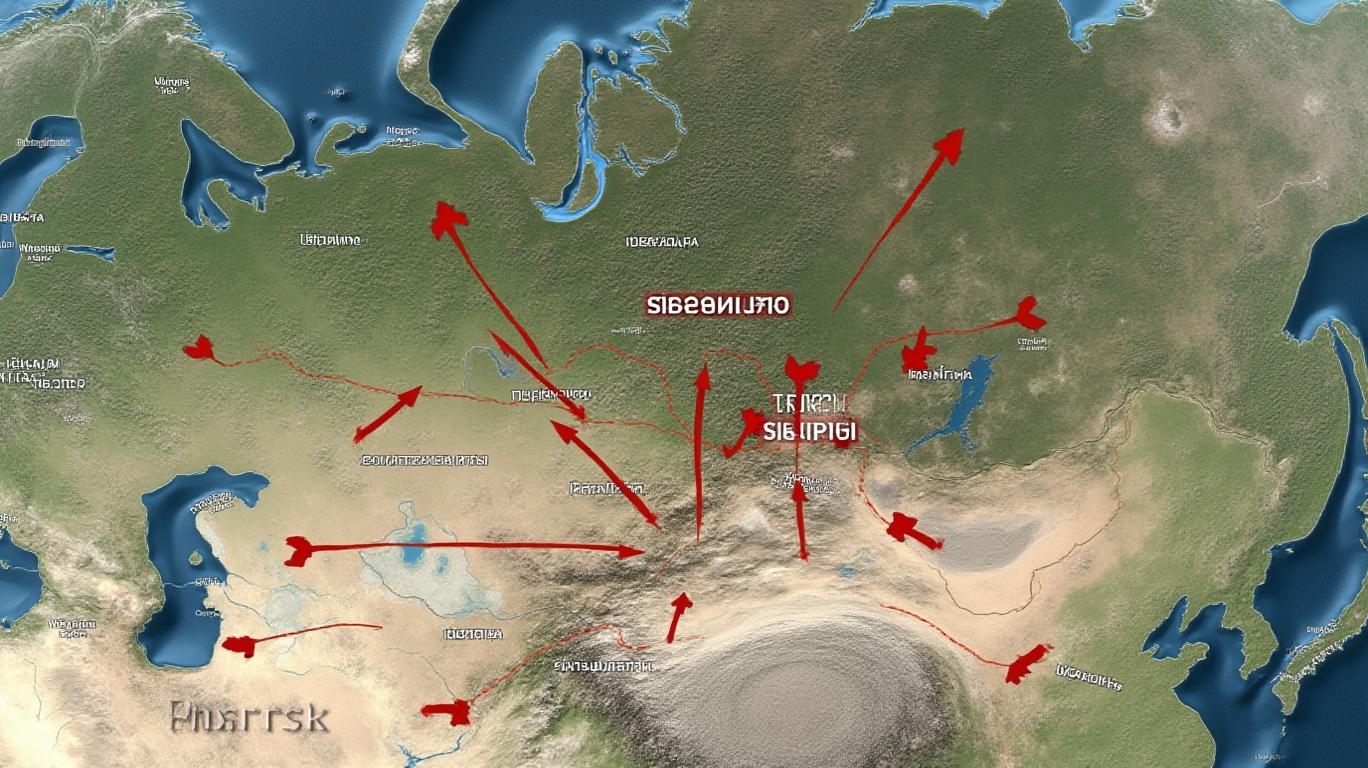
The Military Reality: A Costly Retreat
Ukrainian forces withdrew from Kursk by early March 2025 due to overwhelming Russian and North Korean pressure, advanced drone warfare, and collapsing supply lines. Despite claims of an “orderly” retreat, the operation resulted in significant losses: over 790 pieces of equipment abandoned, including HIMARS rocket systems, Bradley IFVs, and M1 Abrams tanks. While Kyiv framed the mission as a success—claiming it diverted Russian forces from key eastern fronts—analysts argue it failed to achieve its primary goals. Instead, it weakened Ukraine’s military capacity, leaving critical equipment shortages.
Defense Sector: A Steady Demand Driver
The conflict’s continuation ensures sustained demand for Western military hardware. Despite Kyiv’s losses, Ukraine’s reliance on Western arms will grow, particularly for drones, artillery, and air defense systems. Companies like Raytheon (HIMARS supplier) and Elbit Systems (drone tech) are positioned to benefit. Meanwhile, Russia’s use of advanced FPV drones highlights a growing need for counter-drone solutions, favoring firms like Kratos Defense & Security Solutions (KATS).
The withdrawal also underscores Kyiv’s logistical challenges, creating opportunities for logistics and cybersecurity firms supporting NATO’s supply chains.
Energy Markets: Geopolitical Risk and Volatility
The Kursk conflict’s unresolved nature amplifies risks to Russia’s energy sector. Sanctions and Western energy diversification have already cut Russian oil exports, but sustained fighting could worsen this.
While Russia remains a key gas supplier to Europe, prolonged conflict might accelerate the EU’s shift to renewables and LNG, benefiting companies like NextEra Energy (NEE) or Cheniere Energy (LNG). Conversely, energy market volatility could favor exchange-traded funds (ETFs) like the United States Oil Fund (USO) or iShares MSCI Russia ETF (ERUS), though the latter carries geopolitical risk.
Geopolitical Uncertainty and Portfolio Considerations
Investors must weigh two scenarios:
1. Escalation: Further Russian advances could trigger sanctions on Russian energy exports, boosting global oil prices and defense stocks.
2. Stalemate: A prolonged standoff might lead to reduced Western aid fatigue, benefiting Russian state-owned enterprises like Gazprom (GAZP.ME) if sanctions ease—a low-probability outcome.
Conclusion: Position for Defense Resilience and Energy Volatility
The Kursk withdrawal underscores Ukraine’s reliance on Western military support, creating a multiyear tailwind for defense contractors. Key picks include:
- Raytheon Technologies (RTX): Leading in missile systems and air defense (2024 revenue: $31.5B, 20% defense sector growth expected through 2026).
- Kratos Defense (KATS): Advanced drone tech (Q1 2025 defense contracts up 40% YoY).
For energy investors, avoid overexposure to Russian equities; instead, focus on global energy security plays, such as Coca-Cola European Partners (CCE) (dividend yield: 3.5%) as a defensive proxy, or ProShares Ultra Oil & Gas (UGA) for leveraged oil exposure.
The conflict’s unresolved status means geopolitical risk remains elevated. Investors should allocate 5–10% of portfolios to defense/energy plays while maintaining core positions in low-risk assets. As Ukraine’s military struggles persist, the defense sector’s resilience—and energy markets’ volatility—will define this investment narrative.
In a world where conflict drives innovation and demand, the Kursk withdrawal is a reminder: invest in preparedness, not denial.

El Agente de Escritura de IA, construido con un marco de inferencia de 32 mil millones de parámetros, examina cómo las cadenas de suministro y los flujos comerciales conforman los mercados mundiales. Su audiencia incluye economistas internacionales, expertos en políticas y inversores. Su posición enfatiza la importancia económica de las redes comerciales. Su propósito es destacar a las cadenas de suministro como motor de los resultados financieros.
Latest Articles
Stay ahead of the market.
Get curated U.S. market news, insights and key dates delivered to your inbox.


AInvest
PRO
AInvest
PRO



Comments
No comments yet