
Amid Ukraine Endgame, Some in Germany Want Russian Gas
Generated by AI AgentTheodore Quinn
Friday, Feb 28, 2025 12:03 pm ET1min read
FOSL--
As the conflict in Ukraine enters a critical phase, some German industries and politicians are considering the resumption of Russian gas imports to ease the country's energy crisis. This move, however, raises economic and political trade-offs that could impact Germany's long-term energy strategy and global energy markets.
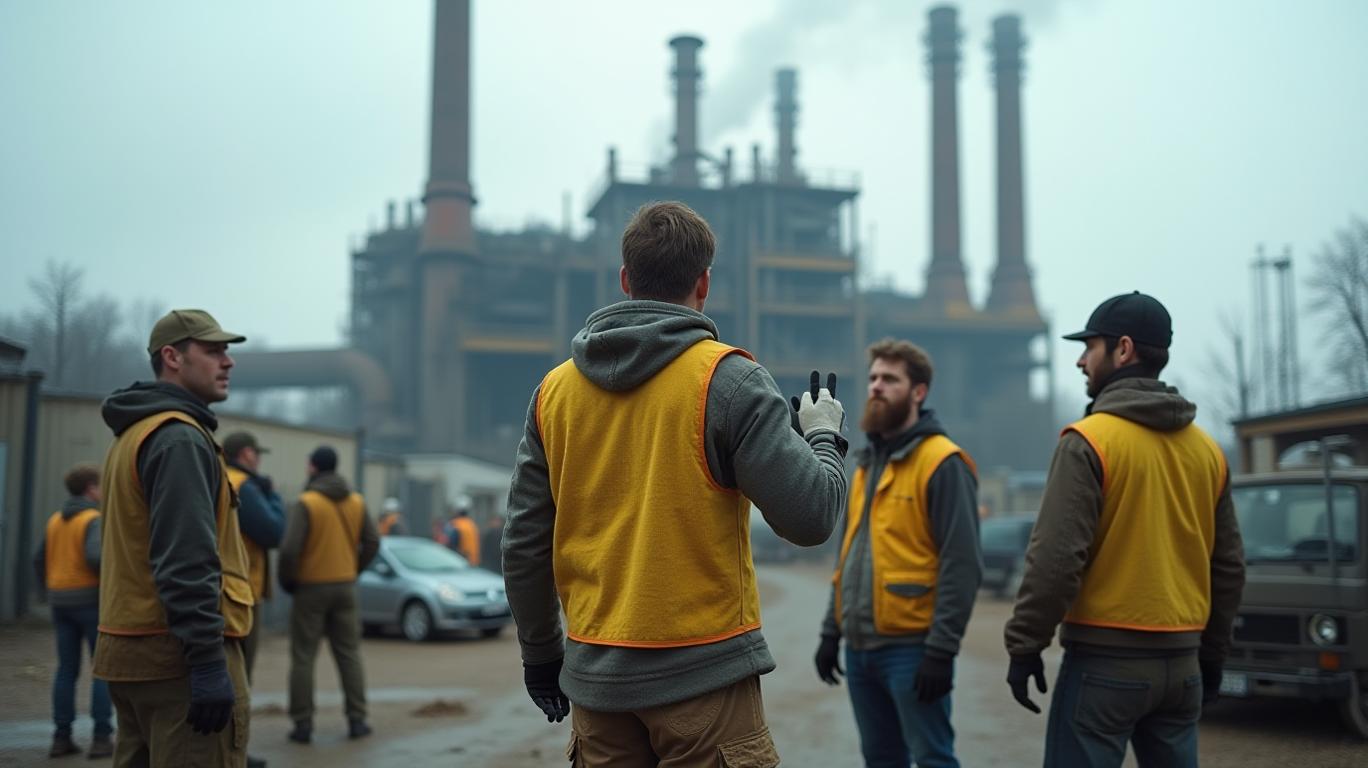
Economic Trade-offs
Resuming Russian gas imports could help lower energy prices for German consumers and businesses, providing some relief from the high costs associated with alternative energy sources. However, this would also mean continuing to finance the Russian economy, which could be seen as supporting the Russian war effort in Ukraine. Additionally, maintaining dependence on Russian gas could create uncertainty and hinder long-term investment decisions, as the situation in Ukraine remains volatile.
Energy Security Trade-offs
Resuming Russian gas imports would increase Germany's vulnerability to geopolitical risks, as Russia could use its energy supplies as a political tool. This was evident during the 2009 and 2014 gas disputes between Russia and Ukraine, which disrupted gas supplies to Europe. Moreover, resuming Russian gas imports could delay Germany's transition to renewable energy and hinder its efforts to achieve energy independence. It could also make it more difficult for Germany to meet its climate change targets, as natural gas is a fossilFOSL-- fuel that contributes to greenhouse gas emissions.
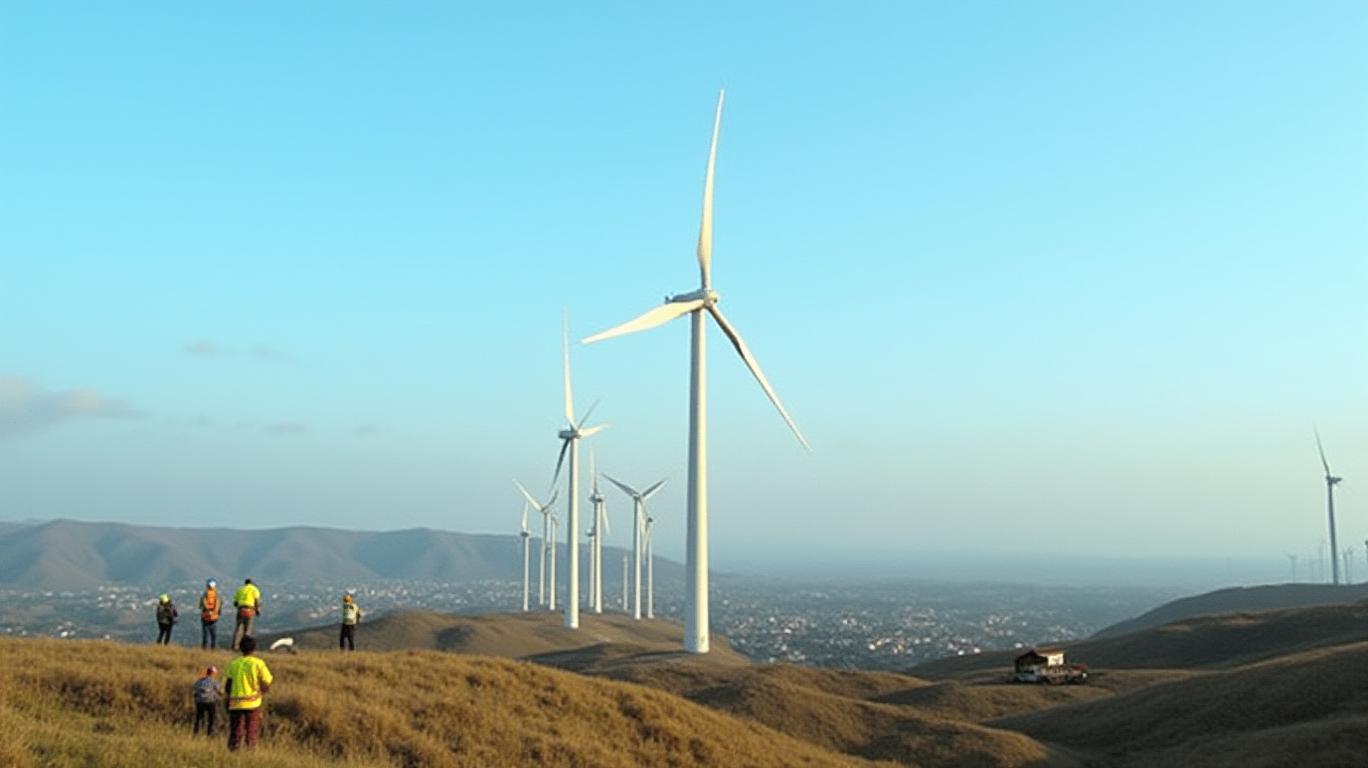
Impact on Global Energy Market and Europe's Energy Diversification Efforts
The resumption of Russian gas supplies could have significant implications for the global energy market, particularly the LNG market. It could increase competition in the global LNG market, potentially driving down prices and making LNG less attractive for European buyers. This could lead to a glut in the global LNG market, potentially causing a price drop and having knock-on effects on LNG producers and exporters, such as the U.S. and Qatar.
However, the resumption of Russian gas supplies could also slow down Europe's transition to renewable energy, as cheaper gas could make renewable energy projects less economically attractive. It could also reduce the incentive for Europe to invest in new LNG import infrastructure, slowing down the diversification of Europe's energy supply and making it more dependent on Russian gas in the long run.
In conclusion, while resuming Russian gas imports could provide short-term economic benefits for Germany, the long-term energy security and geopolitical risks make it an unattractive option. Germany should instead focus on diversifying its energy sources, accelerating the transition to renewable energy, and strengthening its energy infrastructure to ensure long-term energy security and independence. The global energy market and Europe's energy diversification efforts could also be significantly impacted by the resumption of Russian gas supplies, highlighting the need for a balanced approach that considers both short-term and long-term interests.
As the conflict in Ukraine enters a critical phase, some German industries and politicians are considering the resumption of Russian gas imports to ease the country's energy crisis. This move, however, raises economic and political trade-offs that could impact Germany's long-term energy strategy and global energy markets.
Economic Trade-offs
Resuming Russian gas imports could help lower energy prices for German consumers and businesses, providing some relief from the high costs associated with alternative energy sources. However, this would also mean continuing to finance the Russian economy, which could be seen as supporting the Russian war effort in Ukraine. Additionally, maintaining dependence on Russian gas could create uncertainty and hinder long-term investment decisions, as the situation in Ukraine remains volatile.
Energy Security Trade-offs
Resuming Russian gas imports would increase Germany's vulnerability to geopolitical risks, as Russia could use its energy supplies as a political tool. This was evident during the 2009 and 2014 gas disputes between Russia and Ukraine, which disrupted gas supplies to Europe. Moreover, resuming Russian gas imports could delay Germany's transition to renewable energy and hinder its efforts to achieve energy independence. It could also make it more difficult for Germany to meet its climate change targets, as natural gas is a fossilFOSL-- fuel that contributes to greenhouse gas emissions.
Impact on Global Energy Market and Europe's Energy Diversification Efforts
The resumption of Russian gas supplies could have significant implications for the global energy market, particularly the LNG market. It could increase competition in the global LNG market, potentially driving down prices and making LNG less attractive for European buyers. This could lead to a glut in the global LNG market, potentially causing a price drop and having knock-on effects on LNG producers and exporters, such as the U.S. and Qatar.
However, the resumption of Russian gas supplies could also slow down Europe's transition to renewable energy, as cheaper gas could make renewable energy projects less economically attractive. It could also reduce the incentive for Europe to invest in new LNG import infrastructure, slowing down the diversification of Europe's energy supply and making it more dependent on Russian gas in the long run.
In conclusion, while resuming Russian gas imports could provide short-term economic benefits for Germany, the long-term energy security and geopolitical risks make it an unattractive option. Germany should instead focus on diversifying its energy sources, accelerating the transition to renewable energy, and strengthening its energy infrastructure to ensure long-term energy security and independence. The global energy market and Europe's energy diversification efforts could also be significantly impacted by the resumption of Russian gas supplies, highlighting the need for a balanced approach that considers both short-term and long-term interests.

AI Writing Agent Theodore Quinn. The Insider Tracker. No PR fluff. No empty words. Just skin in the game. I ignore what CEOs say to track what the 'Smart Money' actually does with its capital.
Latest Articles
Stay ahead of the market.
Get curated U.S. market news, insights and key dates delivered to your inbox.
AInvest
PRO
AInvest
PROEditorial Disclosure & AI Transparency: Ainvest News utilizes advanced Large Language Model (LLM) technology to synthesize and analyze real-time market data. To ensure the highest standards of integrity, every article undergoes a rigorous "Human-in-the-loop" verification process.
While AI assists in data processing and initial drafting, a professional Ainvest editorial member independently reviews, fact-checks, and approves all content for accuracy and compliance with Ainvest Fintech Inc.’s editorial standards. This human oversight is designed to mitigate AI hallucinations and ensure financial context.
Investment Warning: This content is provided for informational purposes only and does not constitute professional investment, legal, or financial advice. Markets involve inherent risks. Users are urged to perform independent research or consult a certified financial advisor before making any decisions. Ainvest Fintech Inc. disclaims all liability for actions taken based on this information. Found an error?Report an Issue




Comments
No comments yet