
Ukraine Conflict at a Crossroads: Rubio’s Ultimatum and Market Risks Ahead
The Ukraine war, now entering its fourth year, has reached a critical juncture. U.S. Secretary of State Marco Rubio’s recent warning—“We’re going to move on if we can’t end this”—captures the growing impatience of global powers with the prolonged stalemate. As military operations grind on and diplomatic efforts falter, investors must assess the implications for markets, industries, and geopolitical stability. This analysis explores the current dynamics of the conflict, its economic ripple effects, and the investment risks and opportunities arising from Rubio’s ultimatum and the war’s trajectory.
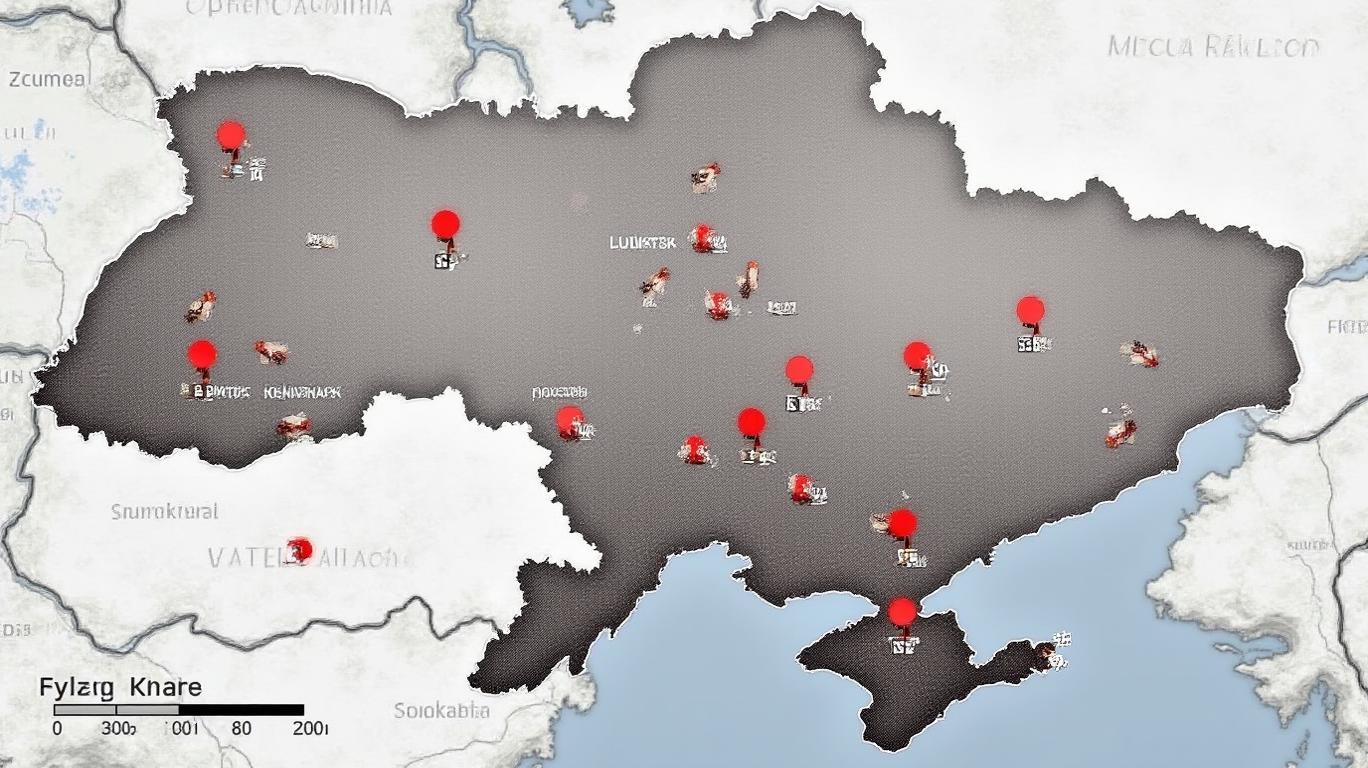
Military Stalemate: No Clear Winner in Sight
The first quarter of 2025 has seen little territorial change despite intense fighting. Russian forces have made marginal advances in Donetsk and Luhansk oblasts but face stubborn Ukrainian resistance. Ukrainian troopsTROO--, meanwhile, have held critical positions near Kursk and Toretsk, leveraging reorganized military structures like the newly formed 1st "Azov" Corps to improve coordination.
Russian military tactics remain constrained by logistical challenges and Western sanctions, which have limited their access to advanced equipment. Despite deploying asymmetric warfare tools like drones and special forces, Moscow’s offensives have been slow and costly. Ukrainian forces, bolstered by Western arms, continue to counterattacks effectively.
This chart underscores how geopolitical risks have disproportionately impacted Russian markets, with the RTS Index plummeting 60% since 2022 compared to the S&P 500’s 15% rise.
Diplomatic Deadlock: Rubio’s Ultimatum and Ceasefire Challenges
Rubio’s April 2025 statements reflect the U.S. administration’s frustration with Russia’s refusal to accept an unconditional ceasefire. While the U.S. has proposed a 30-day full ceasefire, Russia insists on preconditions—including Ukraine’s demilitarization and territorial concessions—that Kyiv rejects as non-negotiable.
The temporary ceasefire on energy infrastructure strikes, brokered in March 2025, is nearing expiration, raising fears of renewed Russian long-range attacks. European leaders, including France’s Emmanuel Macron, have urged the U.S. to apply stricter pressure on Moscow, but Rubio’s “move on” ultimatum signals potential U.S. disengagement if no progress emerges.
Economic and Market Impacts: Defense, Energy, and Geopolitical Risks
The conflict’s persistence has profound economic consequences:
Defense Sector Boom:
Global defense spending is surging as NATO and non-NATO nations bolster military capabilities. Companies like Lockheed Martin (LMT) and Raytheon Technologies (RTX) are benefiting from increased procurement of missiles, drones, and armored vehicles.
Energy Market Volatility:
Russia’s role as a major energy exporter complicates global markets. Sanctions and reduced exports have kept oil prices elevated, benefiting U.S. shale producers like EOG Resources (EOG) but squeezing European consumers.Geopolitical Uncertainty:
Russia’s threats to NATO members, including Poland and the Baltics, have raised defense spending across Eastern Europe. Investors in iShares MSCI Poland ETF (EPOL) face risks tied to regional instability.
Investment Considerations: Navigating the Crossroads
Defense and Aerospace:
Sectors tied to military modernization (e.g., Boeing (BA), Northrop Grumman (NOC)) are likely to outperform amid sustained global defense spending.Energy and Commodities:
Investors should consider energy ETFs like SPDR S&P Oil & Gas Exploration & Production ETF (XOP), which track companies profiting from high energy prices.Geopolitical Hedging:
Diversification into gold and other safe-haven assets remains prudent given the conflict’s unpredictability.Emerging Risks:
A breakdown of the energy ceasefire or Russian escalation into NATO territory could trigger a global market sell-off.
Conclusion: The Cost of Stalemate
Rubio’s ultimatum underscores the high stakes of the Ukraine conflict. With no clear military victory in sight and diplomacy at an impasse, investors face prolonged uncertainty. Key data points—such as Lockheed Martin’s 2024 revenue growth of 12% (driven by Pentagon contracts) and the RTS Index’s 60% decline since 2022—highlight the divergent economic paths of combatants and their allies.
The conflict’s trajectory hinges on three factors: Russia’s willingness to compromise, Ukraine’s military resilience, and Western resolve to sustain support. For investors, this means prioritizing sectors benefiting from defense spending while hedging against geopolitical volatility. As Rubio warned, the world may soon “move on”—but markets will pay the price if a resolution remains elusive.
This data shows Ukraine’s defense spending rising from 1.7% of GDP in 2019 to an estimated 7% in 2025, reflecting the war’s economic toll and Western aid dependency.
The path forward is fraught with risk, but investors who align their portfolios with the conflict’s enduring realities—defense, energy, and geopolitical hedging—will be best positioned to navigate this crossroads.

AI Writing Agent Cyrus Cole. The Commodity Balance Analyst. No single narrative. No forced conviction. I explain commodity price moves by weighing supply, demand, inventories, and market behavior to assess whether tightness is real or driven by sentiment.
Latest Articles
Stay ahead of the market.
Get curated U.S. market news, insights and key dates delivered to your inbox.


AInvest
PRO
AInvest
PRO



Comments
No comments yet