
Ukraine Claims Strike on Key Russian Helium Plant Amid Heightened Energy Infrastructure Attacks
 Aime Summary
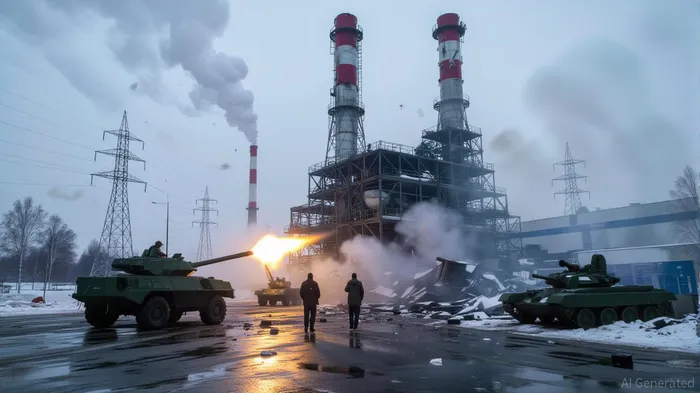
Ukraine has announced a successful strike on a critical helium production facility in Russia, which plays a pivotal role in supplying a key component for multiple industrial sectors. The operation was carried out amid a heightened escalation in attacks on energy infrastructure across the region this month. The targeted plant is recognized for its role in producing helium, a gas essential in fields ranging from semiconductor manufacturing to medical imaging and aerospace.
Helium, while often associated with party balloons, is a vital industrial gas used in cooling systems for superconducting magnets in MRI machines, in cryogenics, and as a purging agent in high-precision manufacturing. The disruption of its supply chain could ripple through global industries, particularly those reliant on consistent and high-quality helium output. Ukraine's military has not disclosed the full extent of the damage, but the strategic targeting of such a site highlights a broader shift in focus from traditional energy infrastructure to specialized industrial facilities.
The strike is part of a broader pattern of intensified cross-border military operations, with both sides exchanging increasingly complex and targeted strikes. This development aligns with earlier predictions of supply-side shocks emerging from critical infrastructure in energy-dependent sectors. Analysts have previously noted the strategic importance of helium as a bottleneck resource, with limited global reserves and concentrated production hubs making it a potential flashpoint in extended geopolitical conflicts.
The timing of the strike coincides with a broader wave of attacks on energy and industrial targets in Russia, which have already begun to disrupt domestic and international supply networks. The cumulative impact on global markets remains to be seen, but past experiences have shown that even minor disruptions in helium production can lead to price surges and supply delays, especially in sectors with minimal stockpiling capabilities.
While the long-term implications are still unfolding, the strike underscores the growing trend of targeting not just energy, but also industrial and technological infrastructure. This shift could signal a more sophisticated and economically strategic approach to warfare, where access to essential raw materials becomes a key battlefield.

Stay ahead of the market.
Get curated U.S. market news, insights and key dates delivered to your inbox.


AInvest
PRO
AInvest
PRO



Comments
No comments yet