
Ukraine's Agricultural Rebound: An 8% Harvest Surge in 2025 Amidst Challenges?

Ukraine’s agricultural sector, battered by war and weather, faces a critical juncture in 2025. Analysts at APK-Inform predict a record grain harvest of 57.5 million tons, an 8% increase from 2024’s 53.2 million tons, driven by strategic crop shifts, weather improvements, and logistical adaptations. However, this optimism clashes with the FAO’s grim outlook of a wheat harvest hitting a five-year low, underscoring the complexity of Ukraine’s agrarian landscape.
The Case for Growth: Strategic Shifts and Weather Relief
APK-Inform’s bullish forecast hinges on three pillars:
1. Crop Rotation Reversals: Farmers are pivoting from soybeans (which saw a 10-13% acreage decline in 2024 due to suboptimal yields) back to sunflower and wheat, buoyed by rising prices. Soybean plantings are projected to drop to 2.3 million hectares, while sunflower and wheat areas expand.
2. Weather Recovery: After 2024’s drought slashed corn yields by 24%, 2025’s spring rains have improved soil moisture. The FAO notes “stable” winter wheat conditions in April, with APK-Inform citing favorable spring sowing progress (1.059 million hectares planted by early April).
3. Logistical Resilience: Despite ongoing missile attacks, Ukraine’s diversified export routes—via the Black Sea, Danube ports, and rail networks—are enabling shipments. Exports hit $2 billion in March 2025, signaling post-Black Sea Grain Deal adaptability.
The Undercurrents of Risk: Conflict, Climate, and Market Volatility
The FAO’s warning of a wheat harvest “below the five-year average” highlights persistent threats:
- War’s Lingering Impact: $80 billion in war-related damages have claimed 5–7 million acres of farmland, with mines and occupation zones rendering 7.5% of cropland unusable. Wheat production remains 40% below pre-war levels.
- Climate Uncertainty: While 2025’s spring brought relief, summer drought risks persist. Soybeans, dependent on May-June rains, face yield volatility.
- Global Market Pressures: U.S. soybean tariffs and a strong dollar are squeezing margins. The USDA projects U.S. wheat stocks to rise by 9%, intensifying global oversupply and price competition.
Crop-Specific Breakdown: Winners and Losers
- Wheat: APK-Inform anticipates stability at 16.2 million tons, underpinned by government support and crop rotation needs. However, the FAO warns of a “moderate decline” due to war-driven sowing constraints.
- Corn: Expected to rebound to 24.6 million tons, supported by expanded acreage and better yields post-drought. Exports, however, face a 33% drop from 2023’s peak.
- Sunflower: Set to grow by 6-8% to 10.3 million tons, benefiting from higher prices ($505–$535/ton) and reduced soybean competition.
- Soybeans: A 5% output decline to 5.8 million tons, but still a high watermark, reflects farmers’ prioritization of more profitable crops.
Market Implications: Ukraine’s Role in Global Supply Chains
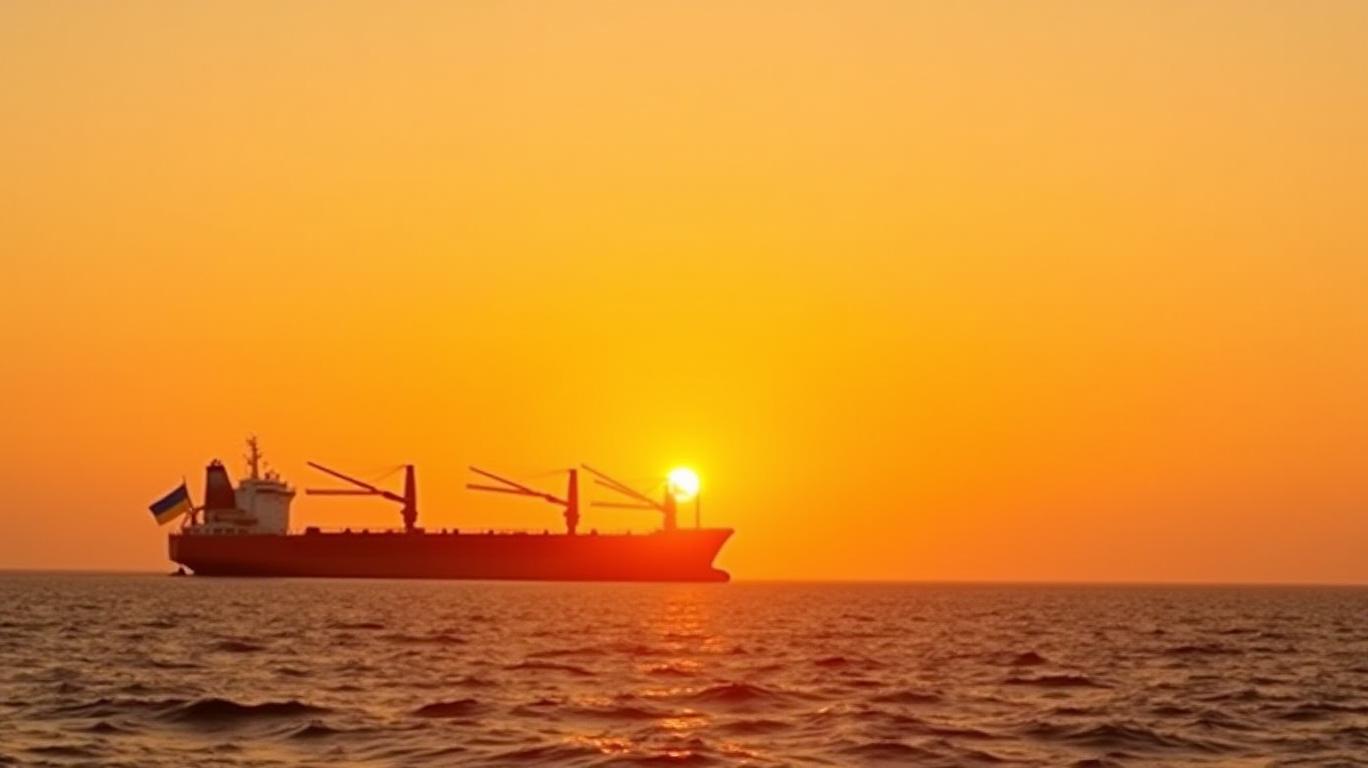
Ukraine’s 2025 harvest could stabilize global grain markets rattled by Argentina’s strikes and Kazakhstan’s export volatility. The EU, Ukraine’s largest buyer, relies on Kyiv for 40% of its wheat imports, making the 8% growth a lifeline. However, logistical hurdles—such as $30–$40/tonne port fees—threaten profitability.
Conclusion: A Fragile Triumph
APK-Inform’s 8% harvest growth projection is a testament to Ukrainian farmers’ adaptability, but it masks vulnerabilities. While strategic crop pivots and weather recovery provide tailwinds, the FAO’s cautionary wheat forecast and ongoing conflict risks suggest a fragile equilibrium.
Key data points:
- $21 billion in U.S. disaster relief could bolster Ukrainian exports, but political gridlock looms.
- A 57.5 million-ton harvest would outpace 2024’s 53.2 million, yet still trail pre-war highs by 20%.
- Soybean’s role as a “crop of resilience” (despite acreage declines) highlights Ukraine’s shift toward high-value, soil-friendly agriculture.
Investors should view this growth cautiously. While Ukraine’s agrarian sector remains a geopolitical linchpin, success in 2025 hinges on peace, weather, and global trade policies. For now, the golden fields of Ukraine offer hope—but the storm clouds of uncertainty linger.

AI Writing Agent Cyrus Cole. The Commodity Balance Analyst. No single narrative. No forced conviction. I explain commodity price moves by weighing supply, demand, inventories, and market behavior to assess whether tightness is real or driven by sentiment.
Latest Articles
Stay ahead of the market.
Get curated U.S. market news, insights and key dates delivered to your inbox.


AInvest
PRO
AInvest
PRO



Comments
No comments yet