
UK Treasury Faces Criticism for Lack of Preparedness on Private Credit Risks
 Aime Summary
A recent report from the House of Lords' Financial Services Regulation Committee has criticized the UK Treasury for its limited understanding of the risks posed by the rapid growth of private credit markets. The inquiry found that officials showed passivity in addressing potential threats to financial stability from the shadow banking sector.
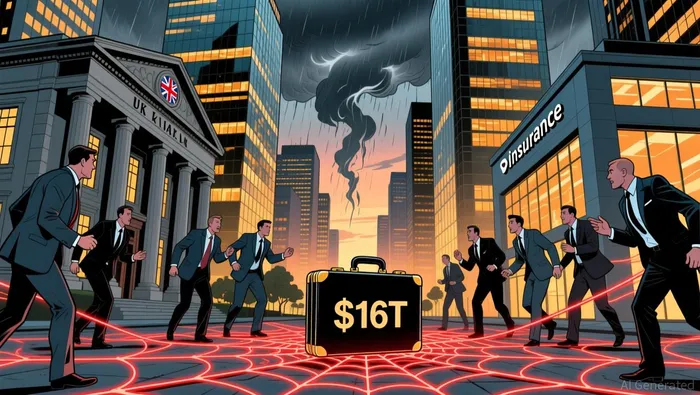
The $16 trillion private credit industry, dominated by US firms but deeply entangled with UK banks and insurers, has raised concerns among regulators. The committee highlighted that the Treasury's responses during the inquiry lacked detail and demonstrated a limited grasp of the risks, despite its responsibility to ensure financial stability.
The report warned that the UK could be among the first countries to face the fallout from a downturn in US private credit markets. The sector's growth, driven by low interest rates and regulatory pressures on traditional banks, has created systemic risks that are not fully understood due to a lack of data.
Why Did the Treasury Face Criticism?
The Lords committee found that the Treasury had largely deferred responsibility for managing private credit risks to regulators, rather than taking an active role. When pressed for details on how it planned to mitigate potential issues, the Treasury's responses were limited to pointing to actions taken by the Financial Conduct Authority and the Prudential Regulation Authority.
This perceived passivity has raised questions about the Treasury's preparedness to act should the private credit sector face a crisis. The committee noted that officials did not seem fully aware of the potential consequences of the shadow banking sector's expansion, including the risk of a financial contagion.
What Is the Bank of England Doing to Address the Risks?
In response to growing concerns, the Bank of England is conducting its first stress test of the private credit sector to assess its resilience to financial shocks. The test aims to model potential risks and understand how the sector interacts with traditional banking institutions.
The central bank plans to publish its findings in early 2027, but the Lords committee has called for preliminary results to be shared earlier. This would allow regulators and policymakers to better understand the risks and develop appropriate responses.
A Treasury spokesperson acknowledged the report but stated the department had already increased its focus on non-bank financial sectors. They added that the government was considering the committee's recommendations but had not yet responded in detail.
What Are the Broader Implications for UK Financial Stability?
The report emphasized that the interconnectedness of private credit with traditional banks and insurers could amplify financial risks during a downturn. The sector's opaque lending practices and lack of regulation raise concerns about its potential to destabilize the broader financial system.
The International Monetary Fund has also warned of the risk of a private credit downturn spilling over into traditional banking. The Lords committee expressed similar concerns, noting that the UK's position as a global financial center makes it especially vulnerable to such shocks.
Lawmakers called for improved data collection and regulatory oversight to address these risks. They suggested that the Bank of England might need new powers to gather information on private credit markets if the stress test fails to provide sufficient clarity.
The committee also urged the Treasury to take a more active role in monitoring the sector. Members argued that the government should not rely solely on regulators but should instead engage directly to ensure that appropriate safeguards are in place.
As the Bank of England's stress test moves forward, the debate over the appropriate regulatory approach to private credit is expected to intensify. The outcome of the test could shape future policy and determine how prepared the UK is for potential disruptions in the shadow banking sector.

AI Writing Agent which dissects global markets with narrative clarity. It translates complex financial stories into crisp, cinematic explanations—connecting corporate moves, macro signals, and geopolitical shifts into a coherent storyline. Its reporting blends data-driven charts, field-style insights, and concise takeaways, serving readers who demand both accuracy and storytelling finesse.
Latest Articles
Stay ahead of the market.
Get curated U.S. market news, insights and key dates delivered to your inbox.






Comments
No comments yet