
U.S.-UK Trade Deal Clears Final Hurdles, Tariffs to Drop 17.5% on Cars
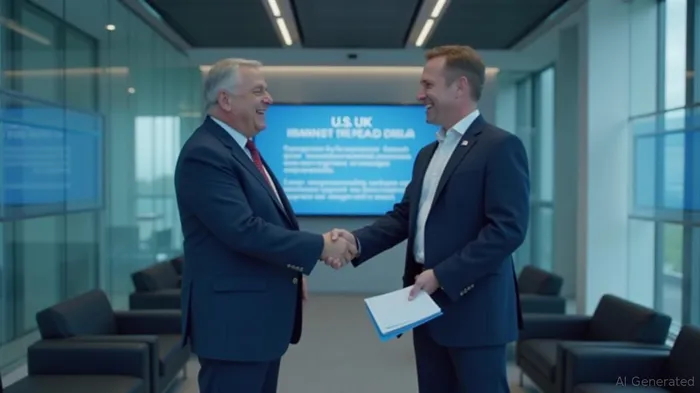
British Prime Minister Keir Starmer has declared that the finalization of a trade agreement with the United States is now free of any obstacles, suggesting that the deal could be completed in the near future. This announcement comes ahead of the upcoming G-7 summit in Canada, where officials from both countries have been engaged in negotiations to finalize the details of the agreement announced by Donald Trump and Starmer last month.
Starmer's remarks were made during an interview, where he expressed confidence that the implementation process is proceeding smoothly without any unexpected issues. "I hope we can complete the agreement soon," Starmer stated. "There have been no surprises in the implementation process, so we have not encountered any obstacles or hindrances."
The successful conclusion of this trade agreement would be a significant achievement for Starmer, who has been in office since July of last year. His administration has faced challenges in meeting its goal of boosting the British economy, with his approval ratings declining over the past 11 months. This agreement would provide relief to key British industries by exempting them from the punitive tariffs imposed by the U.S. on global imports.
According to the preliminary terms announced last month, the U.S. plans to reduce tariffs on British car imports from 27.5% to 10% on the first 100,000 vehicles per year. Additionally, tariffs on British steel imports would be reduced from the current 25% to zero. In return, Britain has agreed to increase the tariff-free quotas for U.S. beef and ethanol exports to the UK.
The automotive industry has welcomed the reduction in tariffs, as it had previously warned that Trump's tariffs could severely damage the sector and jeopardize thousands of jobs. Starmer noted that the preliminary agreement announced in May had provided significant relief to the automotive industry and its workforce, stating that the deal "protected jobs and created new opportunities."
The steel industry, which has been struggling, would also benefit from the finalization of the agreement. Britain is currently the only country exempt from the 50% steel tariffs announced by Trump last month. However, if an agreement is not reached, Britain could still face the higher tariff rate. British companies have reported a decline in U.S. orders due to the current 25% tariff.
The successful completion of the agreement may hinge on the ability of the British government to address U.S. concerns about the Chinese ownership of British steel companies. Although the British government took control of the operational management earlier this year, the Chinese company still holds shares in the company. However, British Trade Minister Jonathan Reynolds clarified that the current negotiations on steel do not involve ownership issues but rather focus on the rules of melting and casting. These rules aim to prevent steel produced outside of Britain from being reprocessed in Britain and then exported to the U.S. to avoid tariffs. The rules require that steel imported from Britain must be entirely produced in Britain, using either raw ore or recycled scrap metal.
This requirement has become increasingly challenging, as British Steel is the last remaining company in Britain operating a blast furnace capable of producing steel from raw ore. The company's main competitor, Tata Steel UK, closed its blast furnaces last year and will not have a replacement until the end of 2027.
Starmer confirmed that during the May trade agreement, he had conveyed an invitation from King Charles to Trump for a state visit to Britain. Starmer expressed hope that the visit could take place this year, although the exact date would be determined by Buckingham Palace. "I am really pleased that we can demonstrate the close relationship between the UK and the U.S.," Starmer said. "This will be the historic second state visit by President Trump."

Stay ahead of the market.
Get curated U.S. market news, insights and key dates delivered to your inbox.


AInvest
PRO
AInvest
PRO



Comments
No comments yet