
US UK Tariff Reduction Deal Expected at G7 Summit
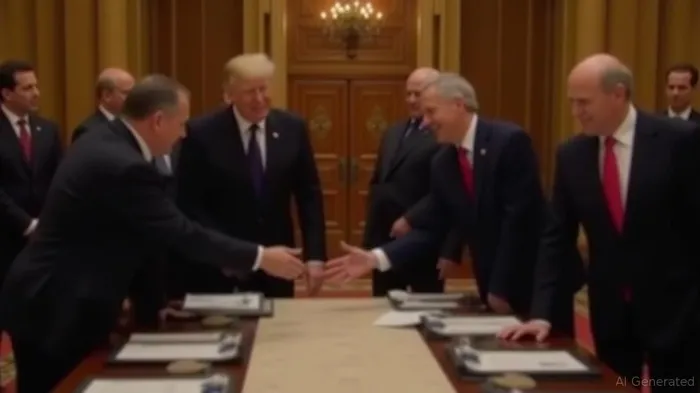
The upcoming G7 summit in Canada is poised to be a pivotal moment for global trade relations, with reports indicating that U.S. President Donald Trump and U.K. Prime Minister Keir Starmer are set to finalize a significant tariff reduction agreement. This development, if realized, could mark a renewed commitment to strengthening trade ties between the two nations and potentially alleviate some economic pressures.
The concept of a comprehensive US-UK trade deal has been a subject of discussion since the UK’s departure from the European Union. While various sector-specific agreements and dialogues have taken place, a broad, tariff-cutting deal has remained a significant goal for both sides. Tariffs, which are essentially taxes on imported goods, are often used to protect domestic industries from foreign competition or as a negotiating tool in international relations. Reducing or eliminating tariffs between two countries can lead to lower costs for businesses importing goods, potentially lower prices for consumers on imported products, increased trade volume as goods become cheaper, and greater economic efficiency by allowing countries to specialize in producing goods where they have a comparative advantage.
A finalized agreement between the US and the UK could cover a wide range of goods and services, impacting various sectors from agriculture to manufacturing and technology. The specific details of which tariffs would be cut and by how much are crucial and would determine the true economic impact of the deal.
The reduction of tariffs, especially between major economies like the United States and the United Kingdom, has broader implications for the global economy. Protectionist measures like high tariffs can slow down international trade, disrupt supply chains, and contribute to inflationary pressures. Conversely, moves towards liberalization and tariff reduction can stimulate economic growth by fostering trade and investment, enhance competition, potentially leading to innovation and better quality goods, improve diplomatic relations and cooperation between trading partners, and provide a positive signal to other nations about the potential for trade liberalization.
However, tariff reductions also present challenges. Domestic industries that previously benefited from protection might face increased competition, potentially leading to job losses or the need for significant restructuring. Negotiating which tariffs to cut requires careful balancing of national interests and potential economic disruptions.
The G7 summit brings together the leaders of the world’s seven largest so-called advanced economies: Canada, France, Germany, Italy, Japan, the United Kingdom, and the United States. The European Union also attends. It serves as a crucial forum for discussing pressing global issues, including economic policy, security, and climate change. Holding the finalization of a significant trade deal at the G7 offers several advantages, including providing a global stage to announce a major diplomatic and economic achievement, creating political momentum to finalize agreements that might otherwise languish, providing context or even indirect support for the bilateral agreement through discussions with other G7 leaders, and reinforcing the group’s role in shaping global economic norms.
For both President Trump and Prime Minister Starmer, securing a tangible agreement like a tariff-cutting deal could be seen as a significant political win, demonstrating progress on international trade objectives. The timing, ahead of potential elections or during periods of economic uncertainty, can also play a role in prioritizing such announcements.
Now, how does a Trump Starmer meeting about tariffs connect to the volatile world of cryptocurrency? The link is primarily indirect, flowing through the broader financial markets and global economic sentiment. While there’s no direct mechanism linking a US-UK tariff rate to the price of Bitcoin or Ethereum, major geopolitical and economic events influence investor behavior across all asset classes. Positive economic news, such as a successful trade agreement between major nations, can boost overall investor confidence. When investors feel more optimistic about the global economy, they may become more willing to invest in riskier assets, including cryptocurrencies. Conversely, trade disputes and economic uncertainty often lead investors to seek safer havens.
Predictable and stable trade relations between major economies contribute to overall macroeconomic stability. Cryptocurrencies, particularly Bitcoin, are sometimes viewed as hedges against instability or inflation. However, a stable economic environment can also be conducive to broader market rallies that include digital assets. Tariff changes can impact the relative strength of currencies like the US Dollar (USD) and the British Pound (GBP). Since many crypto trading pairs involve fiat currencies (e.g., BTC/USD), shifts in currency values can indirectly affect crypto prices and trading dynamics. Tariffs can act as an inflationary force by increasing the cost of imported goods. A reduction in tariffs could potentially alleviate some inflationary pressure. Central banks monitor inflation closely, and their monetary policy decisions (like interest rates) have a significant impact on financial markets, including crypto. News that influences the inflation outlook can therefore indirectly affect the crypto market.
High-profile events at the G7 summit and major bilateral agreements generate headlines and contribute to the prevailing global market sentiment. A positive outcome could contribute to a risk-on environment, while a failure could add to uncertainty. Crypto markets, known for their sensitivity to sentiment, can react to these broader shifts. It is crucial for crypto investors to understand that the impact of a trade deal is typically not a direct, isolated price driver. Instead, it’s one piece of a much larger puzzle, influencing the global economic backdrop against which digital assets trade. Monitoring such developments provides valuable context for understanding broader market movements.
While reports suggest finalization is expected, the path to a completed US-UK trade deal is not without potential hurdles. Negotiating the specifics of tariff cuts across numerous sectors can be complex, with lobbying from various industries on both sides. Domestic political considerations in both the US and the UK could also play a role. Even if an agreement is reached at the G7 summit, the process typically involves legal drafting and ratification procedures in both countries, which can take time and face political debate. The true impact will only be felt once the agreed-upon tariff reductions are implemented.
For those monitoring the markets, including the crypto space, the key takeaway is to watch not just the announcement itself, but also the market’s reaction and the subsequent economic data that emerges as a result of the deal’s implementation. The focus should remain on how such agreements contribute to or detract from global economic stability and investor confidence.
The potential finalization of a significant tariff reduction deal between the US and the UK by President Trump and Prime Minister Starmer at the upcoming G7 summit is a notable development in international trade relations. While the direct connection to cryptocurrency prices is tenuous, the agreement’s potential to foster stronger economic ties and contribute to global economic stability is relevant for all market participants. As the leaders meet, the world will be watching for concrete steps towards easing trade barriers. Such positive movements in the traditional economic sphereSPHR--, while not guaranteeing specific outcomes for digital assets, can contribute to an environment where risk appetite is higher and overall market sentiment is more positive – factors that historically have been supportive of the broader financial landscape, including the dynamic crypto market.

Stay ahead of the market.
Get curated U.S. market news, insights and key dates delivered to your inbox.






Comments
No comments yet