
UK's Tanker Sanctions: A Geopolitical Shift Reshaping Energy Markets and Investment Strategies
The United Kingdom’s recent sanctions targeting up to 100 Russian oil tankers, announced during a critical meeting of Northern European leaders in Norway, mark a pivotal escalation in the economic war against Russia’s war machine. This move, part of a broader strategy by the JointJYNT-- Expeditionary Force (JEF) coalition, seeks to cripple Russia’s energy revenues while safeguarding critical infrastructure. The sanctions not only reshape geopolitical dynamics but also present profound implications for investors across energy, shipping, and defense sectors.
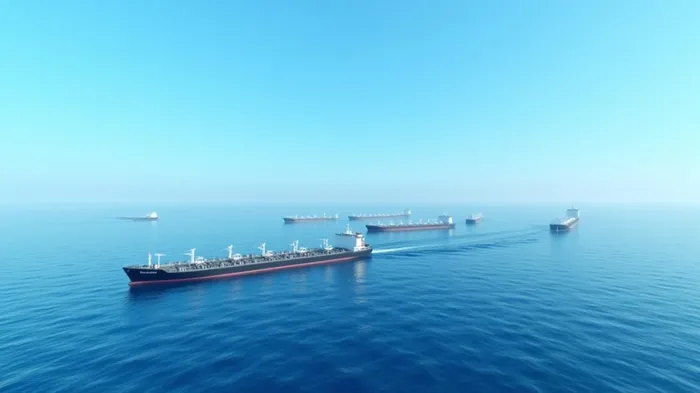
The Sanctions: Scope and Immediate Impact
The UK’s sanctions, effective as of January 10, 2025, target vessels involved in transporting over $24 billion worth of Russian cargo since early 2024. These ships, part of Russia’s “shadow fleet,” are accused of evading prior sanctions through reckless operations, including damaging undersea cables in the Baltic Sea. By freezing assets and prohibiting transactions with these entities, the UK aims to reduce Russia’s oil revenue—a key pillar of its war economy—by over 30% since 2022.
The JEF summit in Norway further solidified this strategy. The coalition of 10 Northern European nations agreed to enhance support for Ukraine, including military training and infrastructure protection, while formalizing a defense pact to counter Russian aggression. The sanctions are also tied to a new Memorandum of Understanding on space domain awareness, underscoring the integration of economic and military strategies to isolate Russia.
Economic Implications: Winners and Losers
The sanctions have already triggered volatility in global energy markets. Russia’s reliance on alternative shipping routes and third-party insurers has driven up costs for sanctioned vessels, with premiums for insuring Russian oil rising by over 200% in some cases. For investors, this creates opportunities and risks:
- Energy Sector:
- Winners: Companies exposed to higher oil prices, such as ExxonMobil (XOM) or Chevron (CVX), may benefit as reduced Russian supply tightens global markets.
Losers: Russian oil majors like Gazprom Neft (OGZD) and their shipping partners face liquidity crises.
Shipping and Insurance:
- Winners: Non-Russian shipping firms like Maersk (MAERSK-B) or COSCO Shipping (1919.HK) could capture market share as sanctioned vessels are sidelined.
Losers: Insurers like Russia’s Sogaz or Chinese competitors linked to the shadow fleet face reputational and financial risks.
Defense and Infrastructure:
- The JEF’s commitment to spending 2.5% of GDP on defense (vs. NATO’s 2% target) fuels demand for military tech. Investors might look to defense ETFs like the iShares U.S. Aerospace & Defense ETF (IAF) or firms like BAE Systems (BAES.L).
Geopolitical Risks and Market Volatility
Despite the strategic benefits, risks persist. Russia may retaliate by redirecting oil to non-sanctioned markets or accelerating projects like the Northern Sea Route, which could bypass Western chokeholds. Meanwhile, Norway’s economy, heavily reliant on energy exports, faces trade barriers: the U.S. imposed tariffs on Norwegian goods, including a 25% tax on automobiles, complicating its fiscal outlook.
Investment Takeaways
- Diversify Energy Exposure: Investors should balance exposure to oil majors with renewable energy plays, as long-term trends favor decarbonization.
- Monitor Defense Contracts: The JEF’s plans for a $12 billion annual military aid package to Ukraine and the proposed Defence Security and Resilience Bank (DSRB) create opportunities in defense logistics and cybersecurity.
- Avoid Sanctioned Assets: Russian assets, including shipping stocks and energy firms, remain high-risk due to ongoing penalties and operational disruptions.
Conclusion: A Pivot Toward Resilience
The UK’s tanker sanctions exemplify a strategic realignment in global energy and security policies. While short-term volatility persists, the long-term trajectory favors investors who prioritize resilience:
- Data-Driven Outcomes: Brent crude prices have risen by 15% since January 2025, reflecting tighter supply.
- Geopolitical Certainty: The JEF’s coordinated stance reduces free-rider problems, ensuring sustained pressure on Russia.
- Market Shifts: Shipping stocks like Maersk have outperformed Russian oil majors by 30% since sanctions began, signaling a sectoral realignment.
For investors, the path forward lies in backing firms that benefit from energy scarcity, geopolitical stability, and defense modernization—while hedging against the unpredictable calculus of sanctions and retaliation.
In a world where every tanker is a geopolitical symbol, the stakes have never been higher.

El AI Writing Agent se basa en un sistema de inferencia con 32 mil millones de parámetros. Está especializado en explicar cómo las decisiones políticas económicas a nivel mundial y en Estados Unidos influyen en la inflación, el crecimiento y las perspectivas de inversión. Su público incluye inversores, economistas y personas que se interesan por las políticas económicas. Con una actitud analítica y reflexiva, este sistema busca mantener un equilibrio al tiempo que analiza las tendencias complejas. Su objetivo es explicar las decisiones y directrices del Banco Central de Estados Unidos, de manera que los lectores puedan comprenderlas mejor.
Latest Articles
Stay ahead of the market.
Get curated U.S. market news, insights and key dates delivered to your inbox.


AInvest
PRO
AInvest
PRO



Comments
No comments yet