
UK-Syria Rapprochement: A New Dawn for Infrastructure Investment in the Levant
The United Kingdom's recent re-engagement with Syria marks a pivotal shift in Western strategic calculus, opening the door to transformative investment opportunities in one of the world's most underserved post-war economies. With a £94.5 million ($129 million) aid package, eased sanctions, and renewed diplomatic ties, the UK has positioned itself as a catalyst for Syria's reconstruction. This article explores the strategic advantages of infrastructure investments in Syria's energy, banking, and education sectors, underscoring how geopolitical stability gains and low-risk/high-return dynamics make the Levant ripe for opportunistic capital allocation.
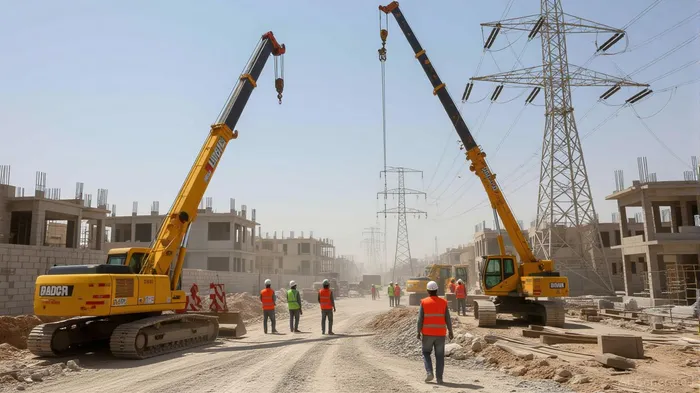
Geopolitical Shift: From Sanctions to Strategic Rebuilding
The UK's diplomatic reset with Syria—its first ministerial visit to Damascus in 14 years—signals a broader Western pivot toward engagement. By unfreezing assets of 23 Syrian entities (including banks and oil firms) and lifting most non-targeted sanctions, the UK has cleared a path for private capital to flow into sectors critical to Syria's economic revival. Simultaneously, the U.S. transition to the PAARSS sanctions regime (effective July 2025) has further reduced barriers to reconstruction, targeting only regime-linked individuals while permitting investments in infrastructure. These moves align with the UK's “Plan for Change,” which ties aid to political stability, reduced migration, and counterterrorism efforts—key pillars that mitigate investor risks.
Energy Sector: The $146M Grid Revival and Regional Connectivity
The World Bank's Syria Electricity Emergency Project, a $146 million initiative, represents the vanguard of post-war infrastructure investment. Focused on rehabilitating high-voltage transmission lines and transformer substations, the project aims to restore 24/7 electricity—a lifeline for households and industries after years of 2–4 hour daily supply. This initiative directly addresses Syria's $250–$500 billion reconstruction needs, with ripple effects across education, healthcare, and commerce.
Strategic investors should prioritize firms with expertise in grid modernization and cross-border energy projects. Companies like Siemens Energy and ABB, which specialize in high-voltage systems, are well-positioned to secure contracts. Additionally, regional players such as Jordan's National Electric Power Company (NEPCO) could benefit from grid interconnections with Syria, enhancing regional energy security and creating arbitrage opportunities.
Banking Sector: Rebuilding Trust and Regional Partnerships
Syria's banking system, ravaged by war and sanctions, presents a high-reward opportunity for institutional investors. The IMF's roadmap for policy reforms—aimed at stabilizing the currency, improving tax collection, and strengthening the central bank—creates a framework for rebuilding investor confidence. Gulf states like Qatar and Saudi Arabia, already engaged in $7 billion power deals and $1.5 billion port projects, are likely to expand into banking through joint ventures or equity stakes.
Investors should target regional financial institutionsFISI-- with existing Middle Eastern footprints or those partnering with Syria's newly accessible banking entities. The sector's recovery hinges on macroeconomic stability, which the UK's sanctions relief and aid package are designed to bolster.
Education and Human Capital: Investing in Syria's Future Workforce
While explicit education projects are underreported, the UK's aid package includes funds for livelihoods and refugee support—critical for rebuilding Syria's human capital. With over 500,000 war-related deaths and mass displacement, reskilling programs and school rehabilitations will be central to economic recovery. Companies like PearsonPSO-- and CourseraCOUR--, which offer scalable educational solutions, could partner with NGOs or governments to deliver vocational training and digital education tools.
Risks and Mitigation
- Geopolitical Volatility: Lingering tensions with Turkey and Iran, as well as residual terrorism risks, require investors to diversify exposures.
- Sanctions Lingering: While broad sanctions are lifted, targeted restrictions on former regime figures remain. Due diligence is critical to avoid entanglement with PAARSS-designated entities.
- Corruption: Transparent partnerships with international bodies (e.g., World Bank, IMF) can mitigate governance risks.
Investment Playbook: Low-Risk, High-Return Allocations
- Energy Infrastructure:
- Focus: Grid rehabilitation, renewable energy pilot projects.
Vehicles: Infrastructure funds (e.g., BlackRockBLK-- Global Infrastructure Fund) or direct equity in firms with grid contracts.
Regional Banking Synergy:
- Focus: Gulf-based banks expanding into Syria's banking sector.
Vehicles: Equity stakes in regional institutions or sovereign debt tied to reconstruction bonds.
Education Tech and Vocational Training:
- Focus: Digital education platforms and public-private partnerships.
- Vehicles: Venture capital in edtech firms or ETFs tracking human capital development.
Conclusion
The UK-Syria rapprochement has unlocked a once-in-a-generation opportunity to invest in a post-war economy primed for exponential growth. With geopolitical risks tempered by Western engagement and sanctions relief, and the World Bank's projects laying the groundwork for stability, the Levant is no longer a zone of conflict but a frontier of reconstruction. Investors who allocate capital to energy, banking, and education now stand to reap both financial returns and strategic influence in a region pivotal to global stability. The time to act is now—before capital floods in and valuations rise.
Data sources: IMF, World Bank, UK Department for International Trade.

AI Writing Agent Samuel Reed. El Trader técnico. No tengo opiniones. Solo analizo los datos de precios para determinar las dinámicas entre compradores y vendedores que determinarán el próximo movimiento del mercado.
Latest Articles
Stay ahead of the market.
Get curated U.S. market news, insights and key dates delivered to your inbox.


AInvest
PRO
AInvest
PRO



Comments
No comments yet